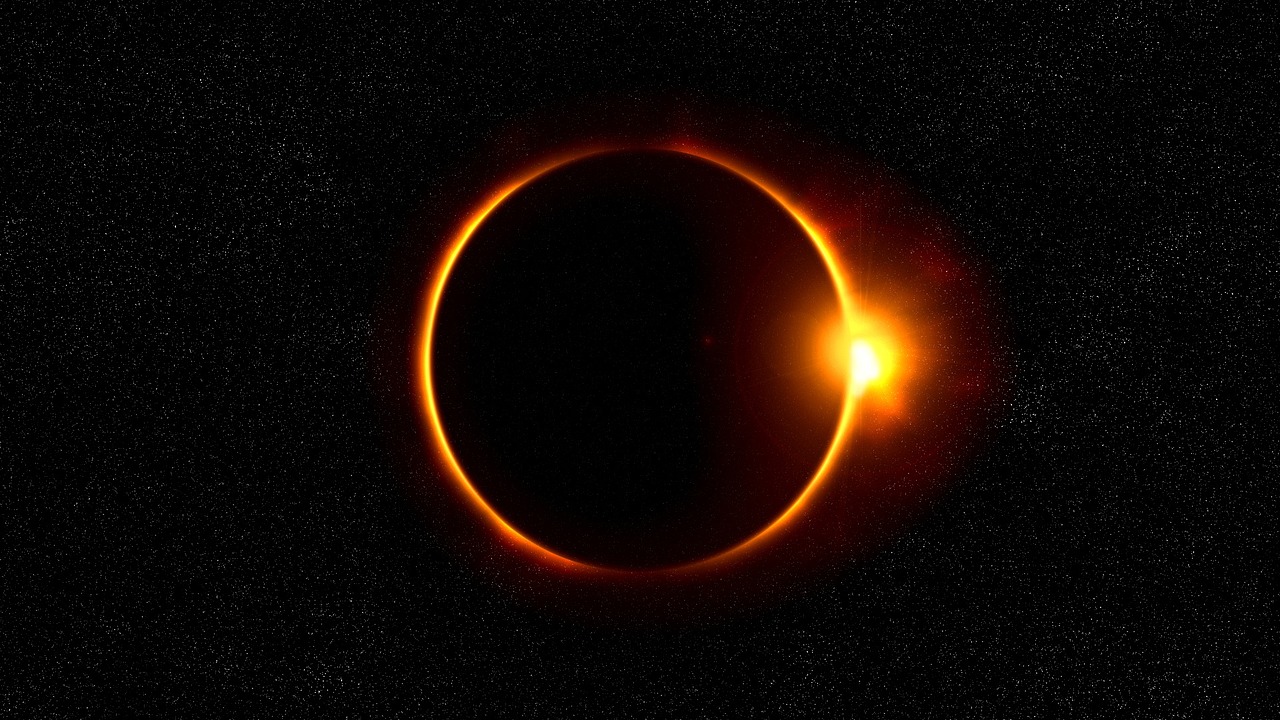
Spain Solar Eclipse 2026 Travel Guide
Spain became one of the world’s most exciting destinations for astronomy and travel enthusiasts in August 2026. On August 12, 2026, a total solar eclipse crossed Spain, bringing the Moon directly between the Earth and the Sun and turning parts of the country dark for a few extraordinary minutes.
The event was particularly special because it was the first total solar eclipse visible from mainland Spain in more than a century. The path of totality crossed northern and eastern parts of Spain before reaching the Balearic Islands, making destinations such as Galicia, Asturias, Castilla y León, Aragón, Valencia and Mallorca major attractions for eclipse travelers.
Although the eclipse has now passed, Spain’s 2026 eclipse journey offers valuable lessons for travelers planning future astronomical events—and the country remains an excellent destination for combining astronomy with beaches, historic cities, food and culture.
Table of Contents
What Was the Spain Solar Eclipse 2026?
A total solar eclipse happens when the Moon passes directly between Earth and the Sun and completely covers the Sun’s visible disk for observers located inside the path of totality.
On August 12, 2026, the eclipse crossed parts of the North Atlantic, Iceland, Greenland and Spain. In Spain, the total phase occurred during the evening, creating a particularly dramatic experience because the Sun was already relatively low above the horizon.
The totality path through Spain was roughly 200–300 kilometers wide, depending on the section measured, and crossed numerous regions from the northern coast toward the Mediterranean and Balearic Islands.
For travelers, this meant that choosing the right location was extremely important. Being in Spain was not enough to guarantee totality. Travelers needed to be inside the narrow path where the Moon completely covered the Sun.
When Did the Eclipse Happen?
The eclipse took place on Wednesday, August 12, 2026.
The exact timing varied by location. For example, Timeanddate listed totality beginning around 8:26 p.m. CEST in parts of Spain, with the total phase lasting from several seconds to more than a minute depending on the location.
Some locations experienced longer totality than others.
For example:
- A Coruña: about 1 minute 17 seconds
- Bilbao: about 31 seconds
- Palma, Mallorca: about 1 minute 36 seconds
- Valencia: about 1 minute
- Zaragoza: about 1 minute 25 seconds
These figures illustrate why eclipse travelers carefully compare locations before choosing where to stay.
Best Places to See a Solar Eclipse in Spain
Spain offered many excellent viewing locations. The best choice depended on totality duration, weather, landscape, accessibility and accommodation.
1. León
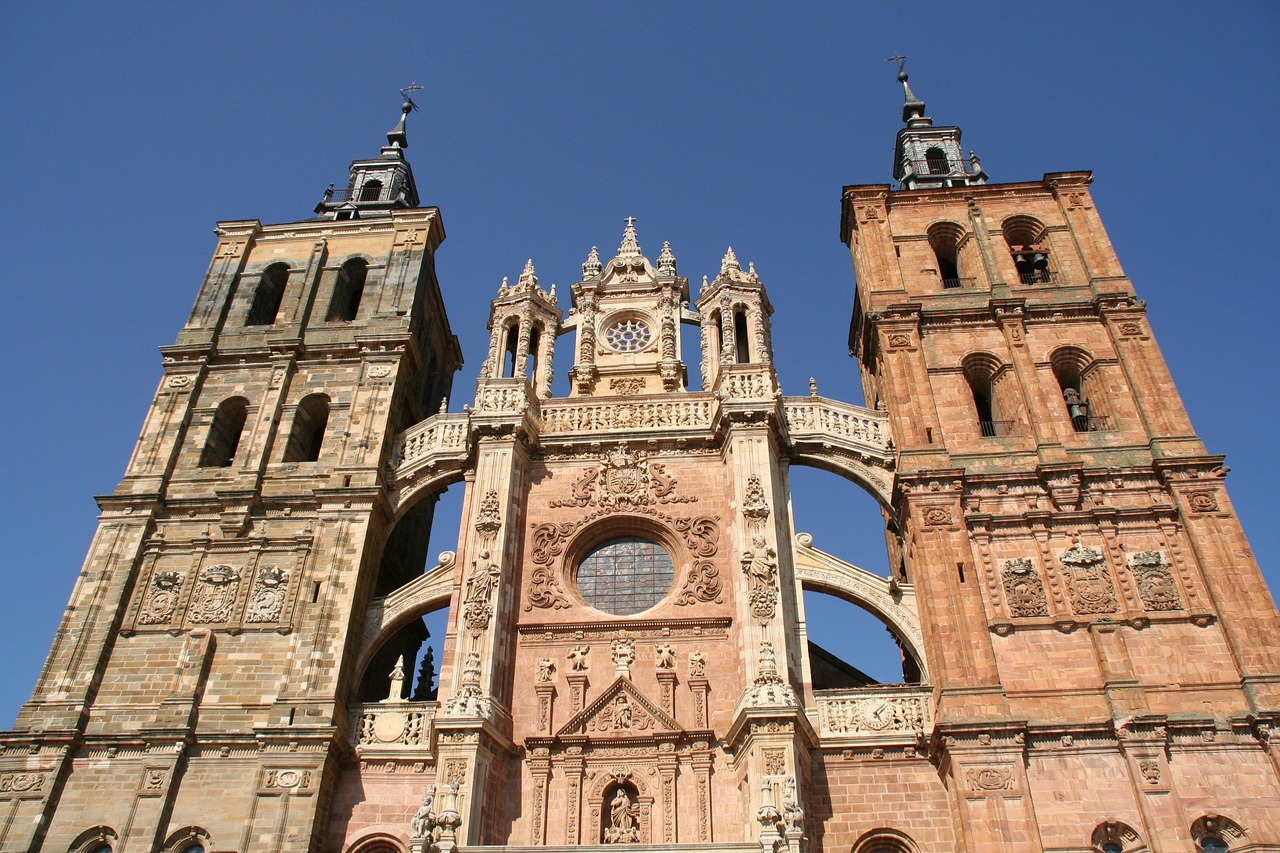
León was one of the most popular destinations for eclipse enthusiasts. Its location in northern Spain placed it close to the path of totality, while the surrounding countryside provided open horizons.
The wider León region also became an important base for astronomy teams and photographers.
If you want to combine an eclipse trip with sightseeing, León is an excellent option because visitors can explore its historic architecture, cathedral, old town and local cuisine.
2. Oviedo and Asturias
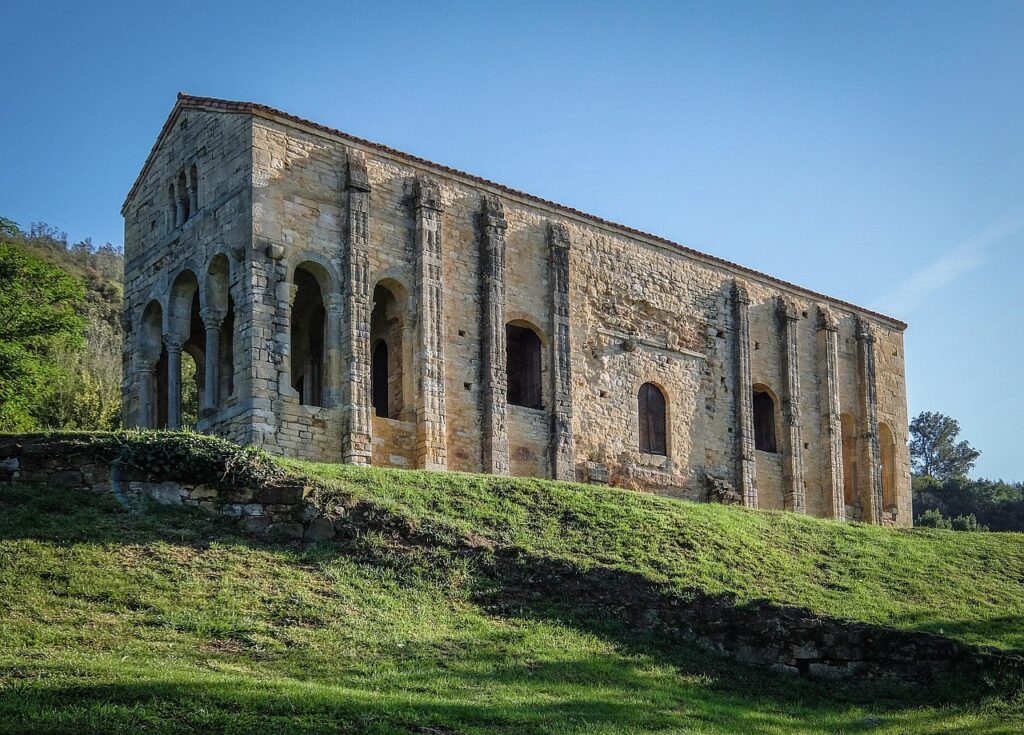
Asturias offered a beautiful combination of mountains, green landscapes and coastal scenery.
Oviedo was highlighted among the strongest Spanish viewing destinations, with reports indicating a relatively long period of totality.
The region is also attractive for travelers who enjoy nature. After an astronomy experience, visitors can explore the Picos de Europa, coastal villages and traditional Asturian food.
3. Burgos
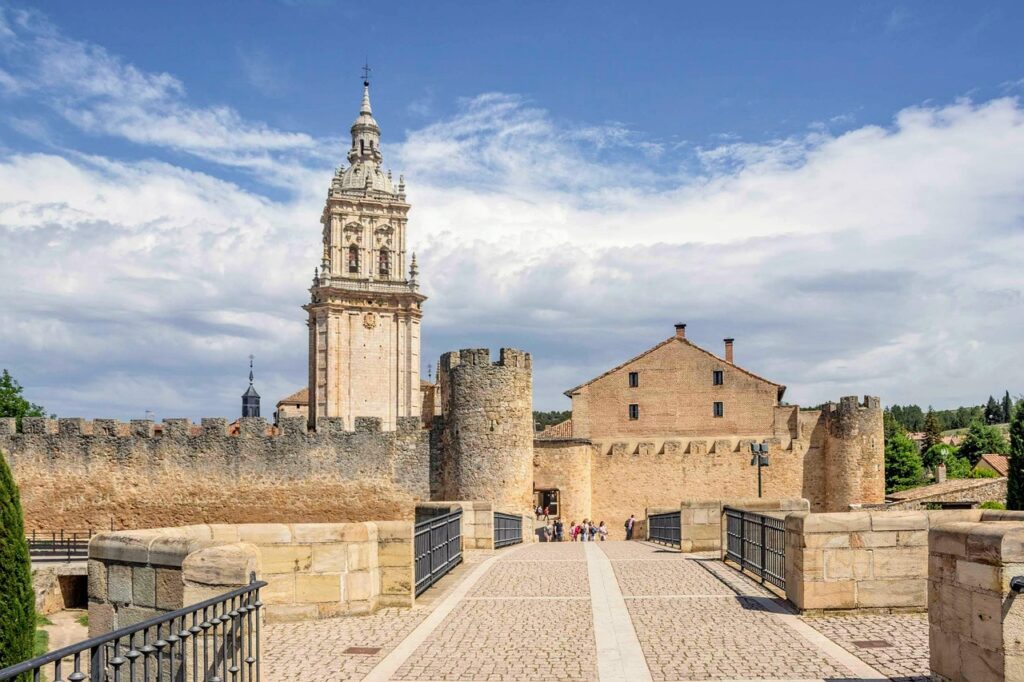
Burgos was another attractive location within the eclipse path.
The city combines history with convenient access to surrounding countryside, making it possible to enjoy both sightseeing and an open-sky eclipse experience.
Travelers can visit Burgos Cathedral, explore the historic center and sample traditional Castilian cuisine.
4. Zaragoza
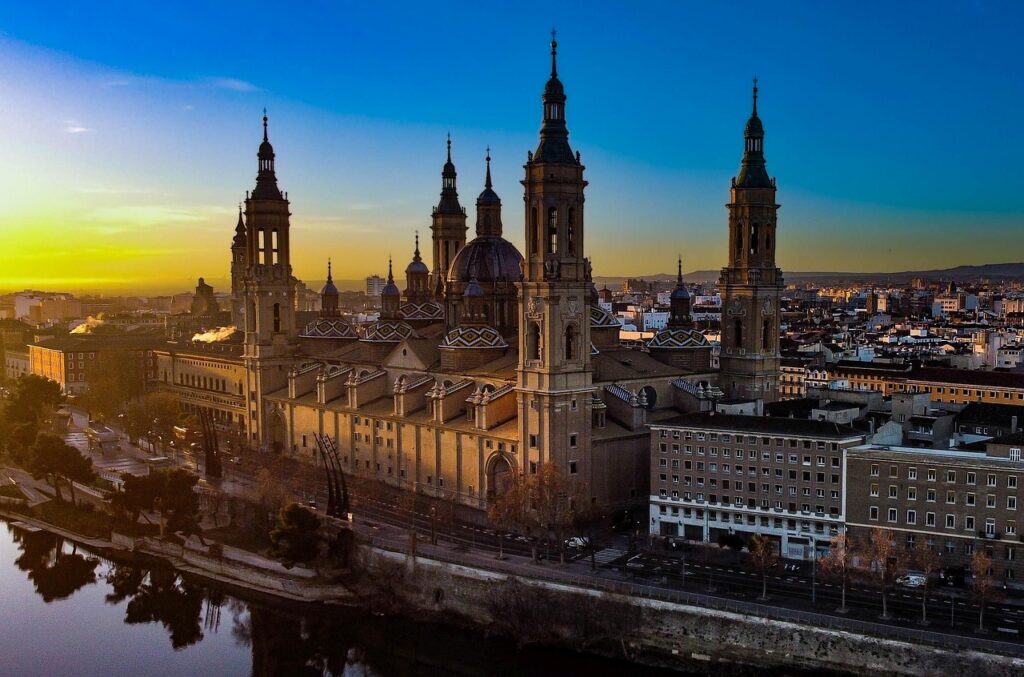
Zaragoza was another important location along the eclipse route.
Timeanddate listed approximately 1 minute 25 seconds of totality for Zaragoza.
The city is also an excellent destination for travelers interested in architecture and history, particularly the famous Basilica del Pilar and the old town.
5. Valencia
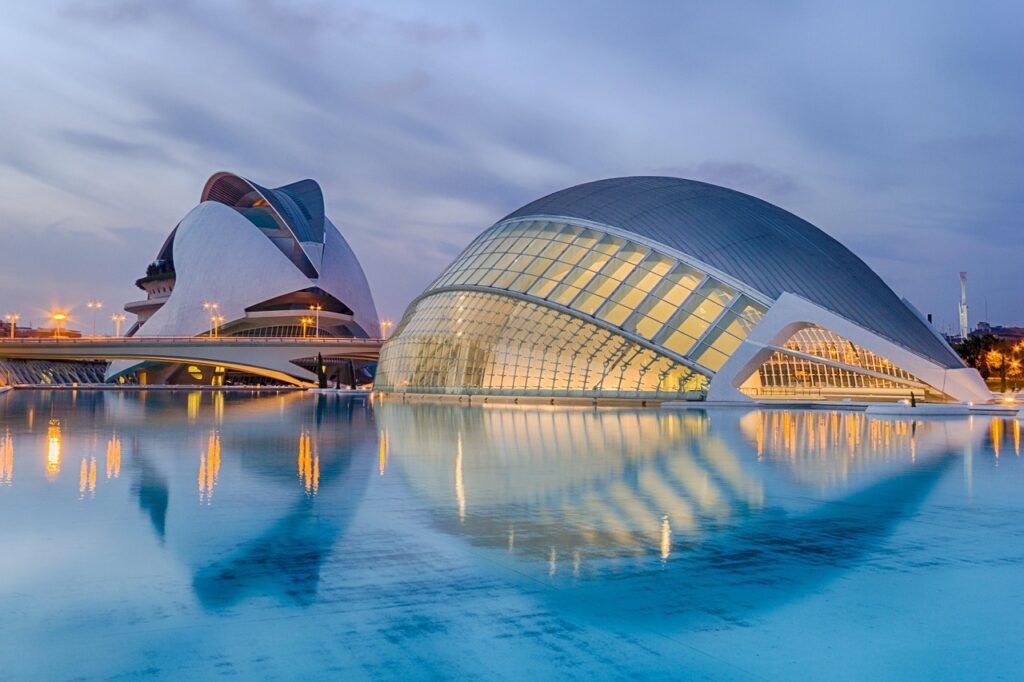
Valencia offered an interesting combination of city attractions and eclipse viewing.
The city was within the totality zone and experienced approximately one minute of totality according to published eclipse timings.
Visitors could combine the astronomical event with Valencia’s beaches, historic center, City of Arts and Sciences and Mediterranean cuisine.
6. Mallorca
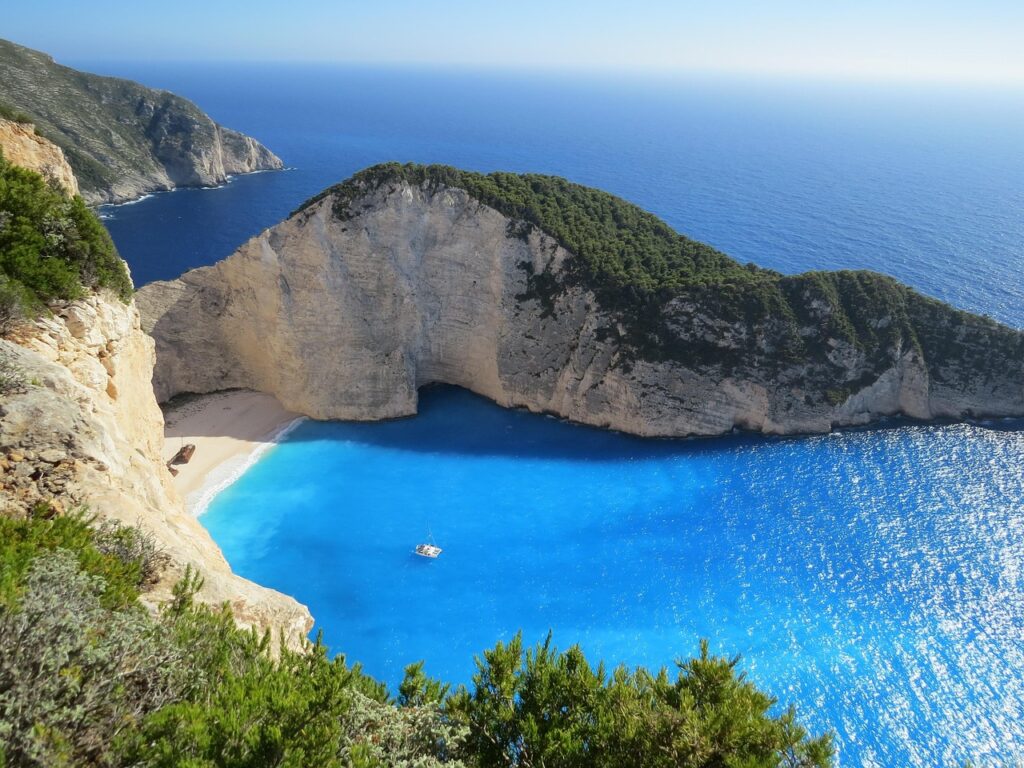
For travelers wanting an eclipse experience beside the Mediterranean, Mallorca was one of the most distinctive choices.
Palma and other parts of Mallorca were within the totality path, with Palma experiencing approximately 1 minute 36 seconds of totality according to Timeanddate.
The combination of a total eclipse, Mediterranean landscape and sunset-like atmosphere made the Balearic Islands particularly memorable.
What Made the 2026 Eclipse Special?
The 2026 eclipse was not simply another astronomical event.
For Spain, it was a historic occasion. The total eclipse attracted millions of spectators, including international travelers, astronomy enthusiasts, photographers and families. Reports estimated that up to six million people gathered along the Spanish eclipse route.
The event also brought attention to lesser-known Spanish towns and rural areas.
Instead of visiting only famous destinations such as Barcelona and Madrid, eclipse travelers moved toward smaller communities where the total eclipse could be observed from open landscapes.
This created a unique form of astro-tourism, where astronomy became the primary reason for visiting a destination.
Spain Solar Eclipse Travel Tips
If you are planning a future eclipse trip, the 2026 Spanish experience provides several important lessons.
Book Accommodation Early
Major eclipse events can create enormous demand for hotels and holiday rentals.
In 2026, accommodation demand increased significantly in areas along the eclipse route, with some cities reporting very high occupancy and fully booked hotels.
For future astronomical events, book your accommodation months—or even years—in advance.
Check the Weather
Weather is one of the biggest uncertainties during an eclipse.
Even if a location is directly inside the path of totality, clouds can ruin the view.
For future eclipse trips, compare historical cloud-cover statistics and then check the latest weather forecasts as the event approaches.
Choose an Open Horizon
The Spanish 2026 eclipse occurred relatively low in the sky.
That made a clear view toward the horizon especially important. Buildings, hills, trees and mountains could potentially obstruct the Sun.
Rural locations with unobstructed western or appropriate horizon views can therefore be better than crowded city centers.
Arrive Early
Popular eclipse locations can experience heavy traffic.
The 2026 event produced major movements of visitors toward viewing locations, with some areas reporting traffic congestion.
For future events, arrive at your viewing location several hours before the eclipse.
Carry Certified Eclipse Glasses
Never look directly at the Sun through ordinary sunglasses, cameras, binoculars or telescopes without appropriate solar protection.
Use proper eclipse glasses or other certified solar-viewing equipment during the partial phases.
During totality, the situation changes: the Sun’s bright photosphere is completely covered, but eye protection must be used again before totality ends, because the returning sunlight can damage your eyes.
What to Pack for an Eclipse Trip
A good eclipse travel kit should include:
- Certified solar eclipse glasses
- Camera and appropriate solar filter
- Smartphone
- Power bank
- Water bottle
- Sunscreen
- Hat
- Comfortable walking shoes
- Portable chair or picnic mat
- Light jacket
- Snacks
- Printed accommodation and transport details
- Offline maps
- Basic first-aid supplies
August in Spain can be very hot, so staying hydrated is particularly important.
Combine the Eclipse With a Spain Vacation
One of the biggest advantages of an eclipse trip to Spain is that you do not have to make the astronomical event your only activity.
Spain offers an enormous variety of experiences.
Barcelona
Spend a few days exploring Gaudí’s architecture, including the Sagrada Família, Park Güell and the historic Gothic Quarter.
Madrid
Explore museums, royal architecture, parks, shopping streets and Spanish cuisine.
Valencia
Enjoy Mediterranean beaches, historic attractions and the City of Arts and Sciences.
Bilbao
Discover the Guggenheim Museum and explore the Basque Country’s food culture.
Mallorca
Combine astronomy with beaches, mountain scenery, villages and Mediterranean relaxation.
Galicia
Explore Santiago de Compostela, Atlantic coastlines, seafood and beautiful rural landscapes.
Spain’s official tourism portal highlights destinations including Madrid, Bilbao, Zaragoza, Valencia, Málaga, Seville, Santiago de Compostela, Salamanca, Santander and the Balearic Islands.
Suggested Spain Eclipse-Inspired Itinerary
For travelers planning a similar astronomy-focused trip, a 7-day Spain itinerary could look like this:
Day 1: Arrive in Madrid and explore the city.
Day 2: Travel toward northern Spain and explore a historic city such as Burgos.
Day 3: Continue toward León and explore the city.
Day 4: Visit nearby countryside and prepare for an astronomy experience.
Day 5: Explore Asturias or another northern destination.
Day 6: Travel toward Zaragoza or Valencia and enjoy local attractions.
Day 7: Finish the trip in Valencia or continue toward the Mediterranean.
For a longer vacation, travelers could add Barcelona, Mallorca or Galicia.
Is Spain Worth Visiting for Astronomy Tourism?
Absolutely.
Spain is particularly attractive for astronomy tourism because travelers can combine dark-sky experiences with excellent infrastructure, historic cities, beaches, food and cultural attractions.
The 2026 eclipse also demonstrated the country’s potential as a major European destination for astronomical tourism.
Interestingly, Spain is not finished with its eclipse story. The country is scheduled to experience another total solar eclipse in 2027, followed by an annular eclipse in 2028. This has helped create what has been described as an Iberian “eclipse trio.”
Final Thoughts
The Spain Solar Eclipse 2026 was one of the most remarkable astronomical and travel events of the year. On August 12, millions of people gathered across Spain to experience an extraordinary moment when daylight temporarily gave way to darkness.
From León and Asturias to Zaragoza, Valencia and Mallorca, the eclipse created opportunities to discover parts of Spain that many international travelers might otherwise overlook.
For future eclipse travelers, the biggest lessons are simple: choose the right location, book early, monitor the weather, arrive early and use proper eye protection.
And if you are planning a Spain trip beyond astronomy, there is even more reason to visit. Historic cities, Mediterranean beaches, spectacular landscapes, world-famous food and vibrant culture make Spain one of Europe’s most rewarding travel destinations.
The 2026 eclipse may have passed, but Spain’s growing reputation as an astronomy-tourism destination is only beginning.
Contact Information
- Website: ozabooking.net
- Partner Website: Oza Digital Services
- Email: ozadigicare@gmail.com
- Author: Sandhya Kashyap