Glowing Waters of Kerala: Best Places, Best Time & Bioluminescence Guide 2026
Kerala is famous for its peaceful backwaters, beautiful beaches, lush green landscapes, and rich cultural heritage. But after sunset, some coastal areas can offer an especially fascinating natural experience: water that appears to sparkle or glow with a blue-green light. This phenomenon is commonly known as bioluminescence.
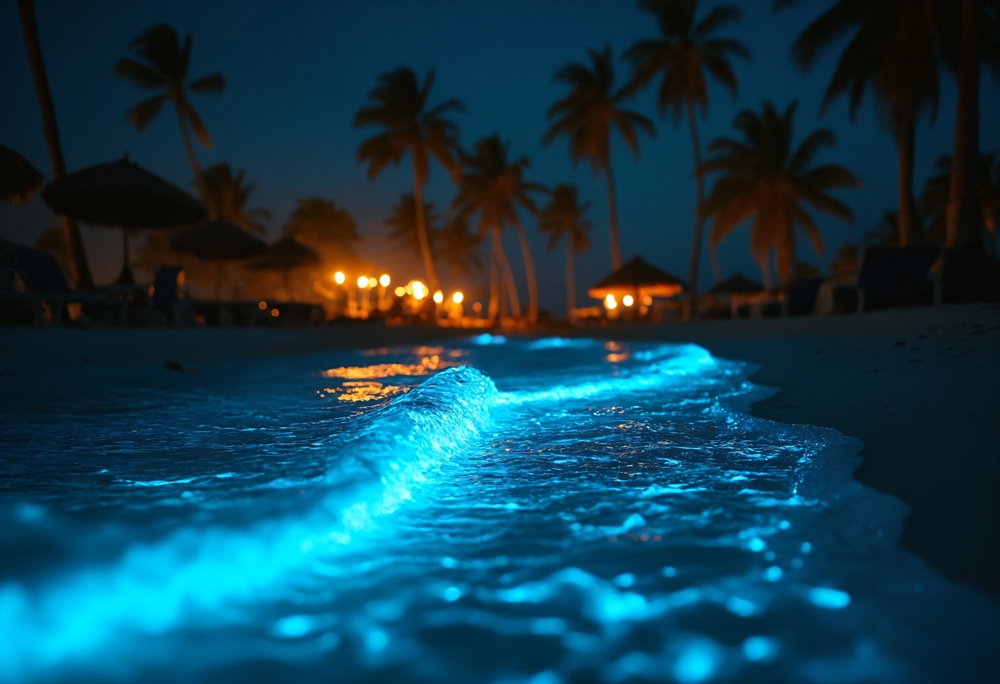
For travelers, seeing tiny flashes of light in the water can feel almost magical. Waves may seem to sparkle as they move, while movement around the shoreline can sometimes create brief points of blue light. The experience combines the beauty of Kerala’s coastline with one of nature’s most interesting biological phenomena.
If you are planning a Kerala trip and want something different from traditional sightseeing, understanding glowing waters can help you plan a more memorable experience.
What Are the Glowing Waters of Kerala?
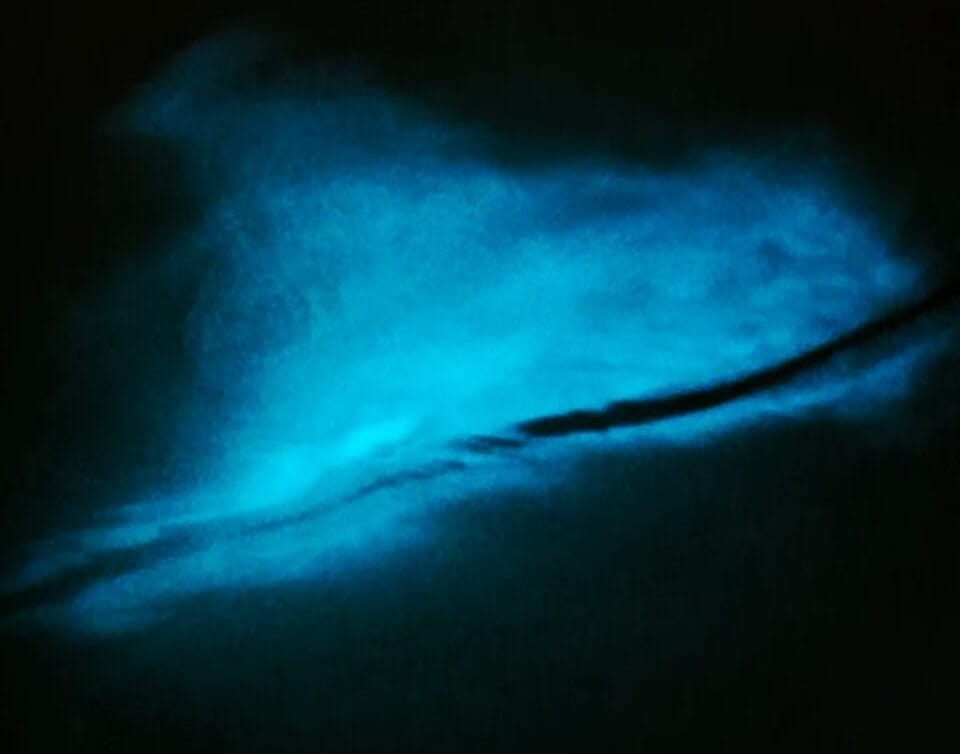
Glowing water is generally associated with bioluminescence, a natural phenomenon in which living organisms produce light through a chemical reaction.
In marine environments, certain microscopic organisms, particularly some types of plankton such as dinoflagellates, can produce flashes of light when the surrounding water is disturbed. When waves move, boats pass through the water, or the water is touched, these organisms may create tiny glowing flashes.
The effect can look like stars scattered across the sea.
However, bioluminescence is a natural event and is not guaranteed every night. Its visibility can depend on several environmental conditions, including the concentration of organisms, water conditions, weather, tides, moonlight, and local marine conditions.
Why Does Kerala’s Water Glow?
The science behind the phenomenon is fascinating. Some marine microorganisms contain chemicals that can produce light when they interact through a biological reaction.
When the water is disturbed, these organisms may emit short flashes. At night, the effect becomes much easier to see because there is less natural light around the observer.
This is why a dark beach with relatively calm conditions can sometimes provide a much better experience than a brightly illuminated coastline.
The color may appear blue, turquoise, or blue-green depending on the organism, water conditions, surrounding light, and how the phenomenon is observed.
It is important to remember that not every blue light seen near the water is necessarily bioluminescence. Artificial lights from boats, resorts, fishing activity, or coastal areas can also create reflections on the water.
Where Can You Experience Glowing Waters in Kerala?
Kerala has a long coastline, numerous beaches, estuaries, lagoons, and backwater areas. Reports of bioluminescent marine activity can vary from place to place and from season to season.
Some coastal areas and beaches in Kerala have attracted attention for occasional glowing-water sightings. Travelers interested in the phenomenon should check recent local information before making a special trip because bioluminescence is unpredictable.
1. Beaches Around Kochi
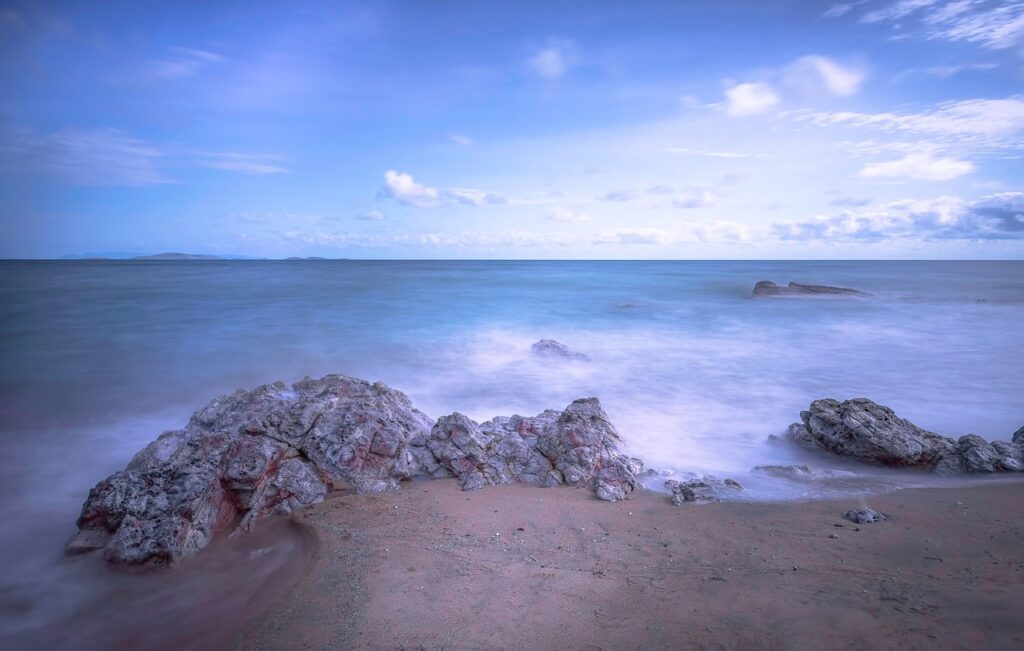
Kochi is one of Kerala’s most popular destinations and provides easy access to several coastal and backwater experiences.
The wider coastal region can be interesting for travelers who want to explore Kerala after sunset. However, glowing water should be treated as a possible natural occurrence rather than a guaranteed attraction.
2. Backwater and Coastal Areas of Alappuzha
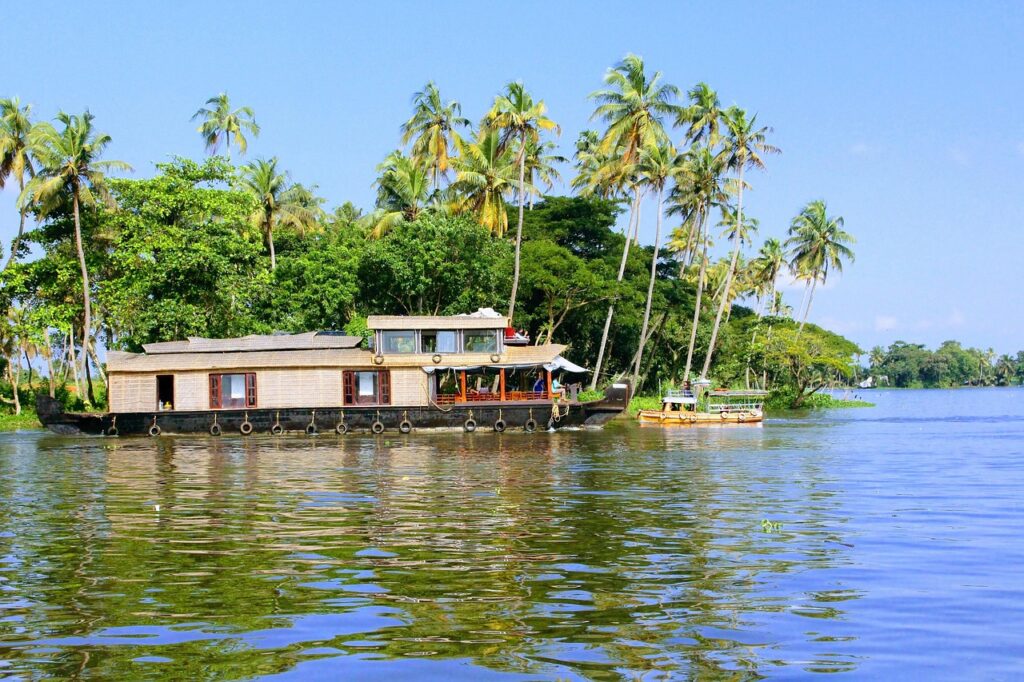
Alappuzha, popularly known as Alleppey, is famous for its backwaters and houseboats. The surrounding waterways and coastal landscape make it one of Kerala’s most popular destinations for travelers.
While traditional backwater experiences are usually associated with daytime cruises and sunsets, nighttime coastal conditions can sometimes create opportunities to observe interesting natural phenomena.
Always follow local guidance before entering or swimming in unfamiliar waters at night.
3. Coastal Areas Around Kozhikode
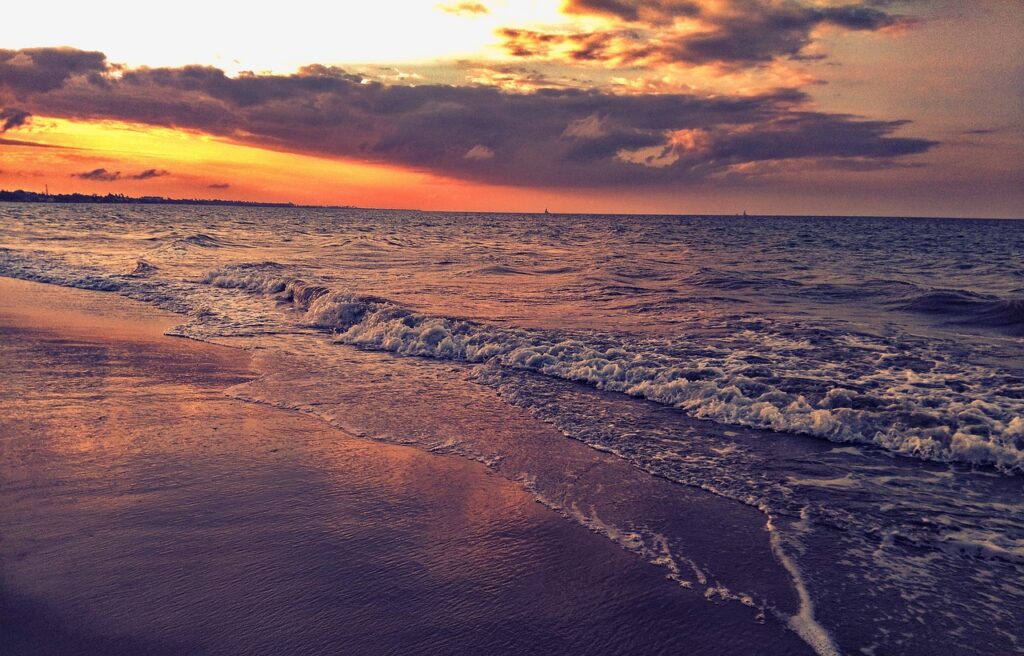
Kozhikode has a beautiful coastline and a strong connection with Kerala’s maritime history.
Visitors exploring the city’s beaches and surrounding coastal areas may find nighttime scenery especially attractive. If bioluminescence is reported locally, darker sections away from artificial lighting may offer better viewing conditions.
4. Kannur Coast
Kannur is known for its beaches, historic attractions, Theyyam traditions, and scenic coastline.
The northern Kerala coast offers travelers many opportunities to explore quieter coastal environments. As with other parts of Kerala, the appearance of bioluminescence depends on natural conditions and cannot be guaranteed.
Best Time to See Glowing Waters in Kerala
There is no single date or month when Kerala’s water is guaranteed to glow.
Bioluminescence depends on marine environmental conditions, so travelers should avoid websites or tour advertisements that promise a guaranteed glowing-water experience without current local evidence.
Generally, dark nights with suitable marine conditions can make bioluminescence easier to observe. Bright moonlight can reduce the contrast between the glowing organisms and the surrounding water.
Before visiting, check local weather conditions, recent reports from reliable local sources, and advice from experienced local guides.
Why Darkness Matters
One of the most important factors in seeing bioluminescence is darkness.
Even if glowing organisms are present, strong artificial lighting can make their light difficult to notice. A beach surrounded by hotels, streetlights, restaurants, and vehicles may not provide ideal viewing conditions.
A darker environment allows your eyes to adjust to low light and makes small flashes in the water easier to see.
If you are visiting a coastal area at night, never sacrifice safety simply to find a darker location. Stay in permitted areas and follow local instructions.
Best Way to Experience Kerala’s Glowing Waters
If you are fortunate enough to encounter bioluminescence, you do not need expensive equipment to enjoy it.
Stand safely near the shoreline and allow your eyes several minutes to adjust to the darkness. Watch the water closely rather than expecting a bright continuous glow.
The effect may appear as tiny flashes when waves break or when water moves.
Sometimes the phenomenon can be subtle. Other times, under favorable conditions, large sections of disturbed water may appear to sparkle.
The experience is often more beautiful when you simply observe the natural environment rather than expecting it to look exactly like edited travel photographs.
Photography Tips for Glowing Waters
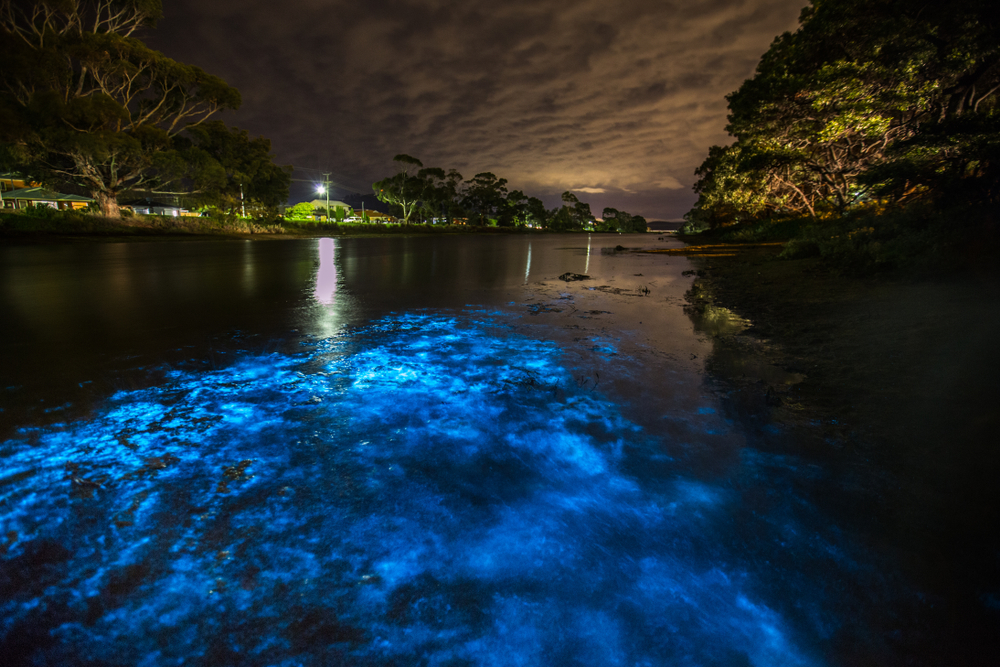
Capturing bioluminescence on a smartphone can be difficult because the light produced by microorganisms is usually very faint.
For better results, a camera with manual controls and a tripod can be useful. A longer exposure can capture more light, although excessive exposure may make the image look different from what the human eye sees.
Try to:
- Keep the camera completely stable.
- Use a tripod whenever possible.
- Reduce unnecessary artificial light.
- Experiment with manual focus.
- Take several photographs with different exposure settings.
- Avoid using bright flash directly toward the water.
Remember that photographs shared online may be edited, enhanced, or color-corrected. The real experience can look more subtle than a highly processed photograph.
Is Glowing Water Safe?
The glow itself is a natural biological phenomenon, but that does not automatically mean the water is safe for swimming.
Marine water can contain organisms, pollutants, sharp objects, strong currents, jellyfish, or other hazards. Nighttime swimming also makes it much harder to identify dangers.
Therefore, travelers should not enter glowing water simply because it looks beautiful.
Follow local beach rules and lifeguard instructions. If swimming is not officially permitted, enjoy the phenomenon from a safe location.
Things to Do Alongside Your Kerala Night Experience
A glowing-water experience can become part of a larger Kerala holiday.
During the day, you can explore Kerala’s famous backwaters, beaches, temples, historic neighborhoods, wildlife areas, and hill stations.
In Kochi, travelers can explore the historic character of Fort Kochi. In Alappuzha, a houseboat cruise offers a classic Kerala experience. In Munnar, the landscape changes completely from the coast, with tea plantations and mountain scenery.
Combining these experiences allows you to enjoy both Kerala’s famous attractions and its quieter natural side.
Responsible Tourism and Bioluminescence
Natural phenomena should always be enjoyed responsibly.
Avoid disturbing marine life, collecting organisms, throwing chemicals or waste into the water, or using unnecessary lights around sensitive coastal areas.
Do not litter the beach. Plastic waste can damage marine ecosystems and reduce the beauty of the very environment that attracts visitors.
Responsible tourism helps protect Kerala’s coastline for future generations.
Kerala Glowing Waters: Travel Tips
Before planning a special trip to see bioluminescence, keep these points in mind:
Check recent local reports: Bioluminescence can change quickly.
Choose safe locations: Do not visit isolated coastal areas alone at night.
Avoid assuming it is guaranteed: Natural phenomena cannot be scheduled like a normal tourist attraction.
Check weather conditions: Rough seas and storms can make coastal visits dangerous.
Carry minimal lighting: A small flashlight can be useful for safety, but avoid unnecessary bright lights while viewing the water.
Respect local rules: Follow instructions from lifeguards, authorities, guides, and property owners.
Keep the beach clean: Take your waste with you.
Frequently Asked Questions
What causes Kerala’s water to glow?
The glow can be caused by bioluminescent marine organisms, including certain microscopic plankton. These organisms can produce light when disturbed.
Can you see glowing water every night?
No. Bioluminescence is unpredictable and depends on environmental and biological conditions.
What color is bioluminescent water?
It commonly appears blue or blue-green, although the appearance can vary depending on the organisms and viewing conditions.
Is bioluminescent water safe to swim in?
The presence of a glow does not establish that the water is safe for swimming. Always follow local safety guidance and beach regulations.
Can you see bioluminescence with your eyes?
Yes, when conditions are favorable and the surrounding environment is dark enough, bioluminescence can sometimes be visible without special equipment.
Final Thoughts
The glowing waters of Kerala are a fascinating reminder that nature can create extraordinary experiences without artificial entertainment. Tiny marine organisms can transform ordinary waves into brief flashes of blue light, creating an unforgettable nighttime scene.
However, bioluminescence should be viewed as a natural possibility rather than a guaranteed tourist attraction. Conditions change, and sightings can be unpredictable.
If you are planning a Kerala holiday in 2026, explore the state’s beaches and coastal areas responsibly, check current local information, and keep your expectations realistic. Whether or not you see glowing waves, Kerala’s beaches, backwaters, culture, food, and landscapes offer plenty of reasons to visit.
And if the sea happens to sparkle beneath the night sky, you may experience one of Kerala’s most magical natural moments.
Contact Information
- Website: ozabooking.net
- Partner Website: Oza Digital Services
- Email: ozadigicare@gmail.com
- Author: Sandhya Kashyap