Best Places to Visit in South Korea in 2026: 25 Must-See Attractions
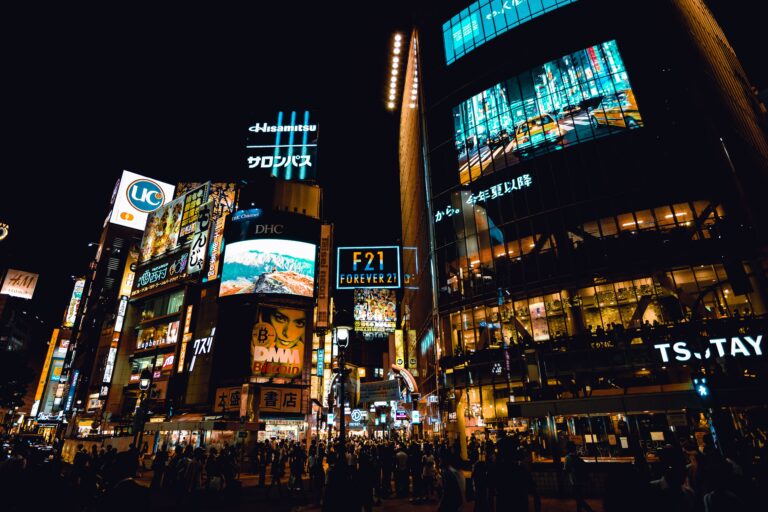
South Korea has become one of Asia’s most exciting travel destinations. Known for K-pop, Korean food, ancient palaces, modern cities, beautiful islands and fascinating traditions, the country offers an impressive mix of old and new.
From the busy streets of Seoul to the beaches of Busan and the volcanic landscapes of Jeju Island, South Korea has something for every traveller. History lovers can explore royal palaces and ancient temples, while food lovers can discover Korean barbecue, street food and traditional markets.
If you are planning a trip in 2026, here are 25 of the best places to visit in South Korea.
1. Seoul
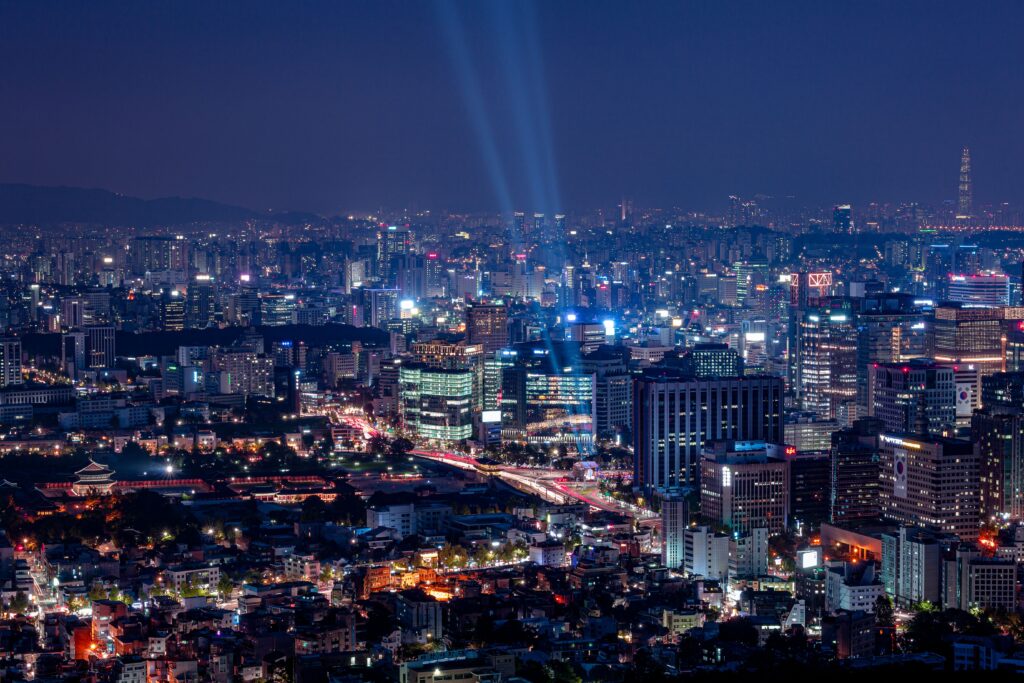
Seoul is the capital and the best starting point for a first trip to South Korea.
The city combines modern skyscrapers and shopping districts with historic palaces, traditional markets and cultural neighbourhoods.
Popular places include Gyeongbokgung Palace, Bukchon Hanok Village, Myeongdong, Hongdae, Insadong, N Seoul Tower and the Han River.
Best for: First-time visitors, shopping, food, culture and nightlife.
2. Gyeongbokgung Palace
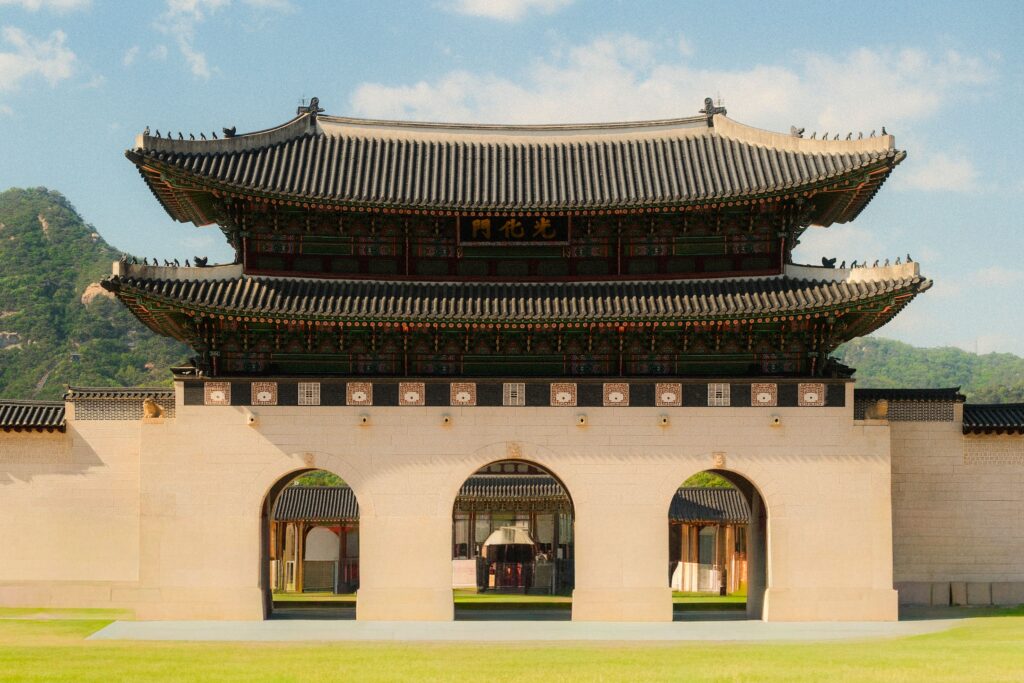
Gyeongbokgung Palace is one of Seoul’s most famous historical attractions.
Built during the Joseon Dynasty, the palace offers visitors a glimpse into Korea’s royal history. Its traditional architecture provides a striking contrast to the modern buildings surrounding it.
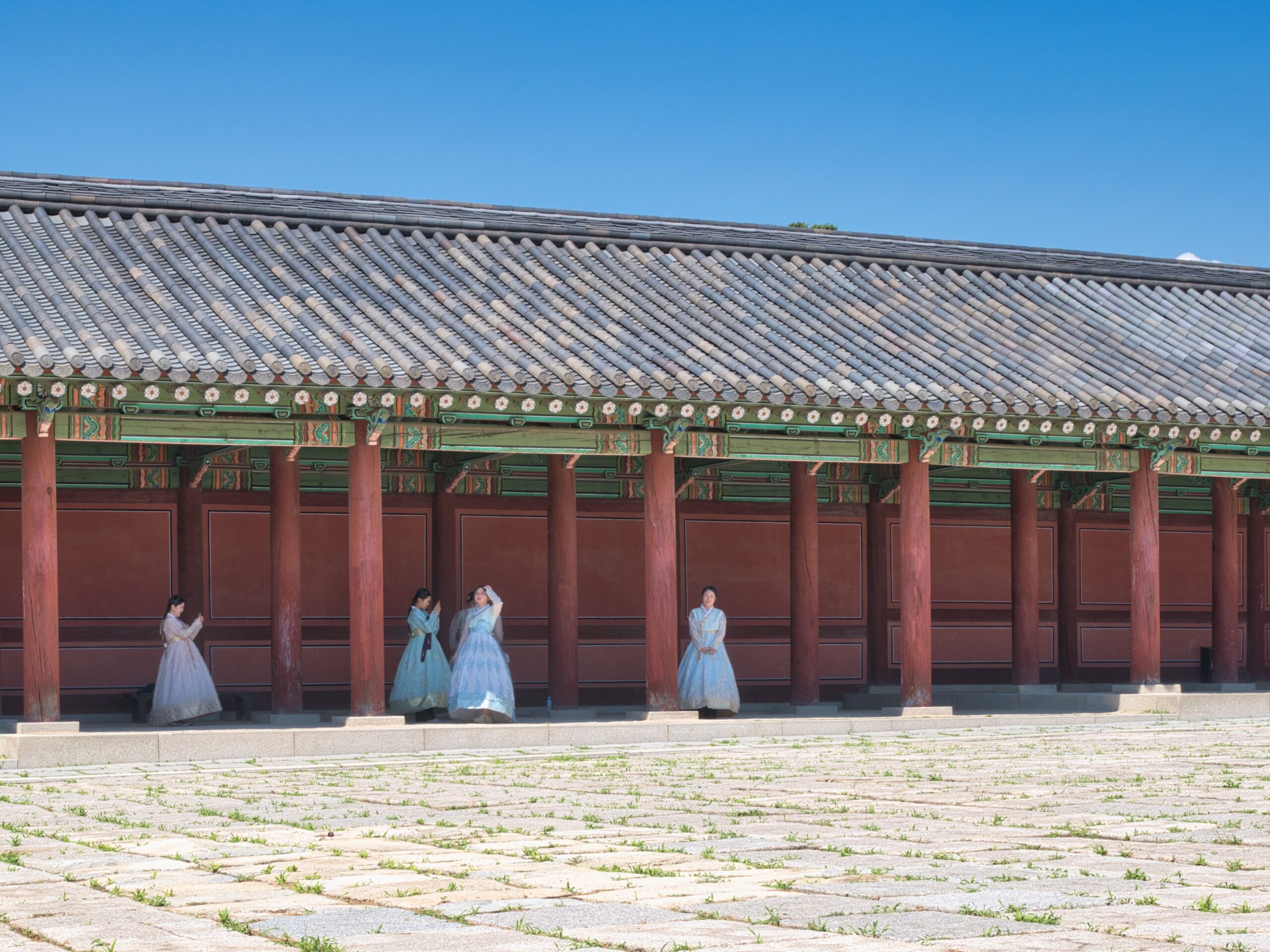
Visitors can also explore the surrounding area wearing traditional Korean hanbok.
Best for: History, architecture and photography.
3. Bukchon Hanok Village
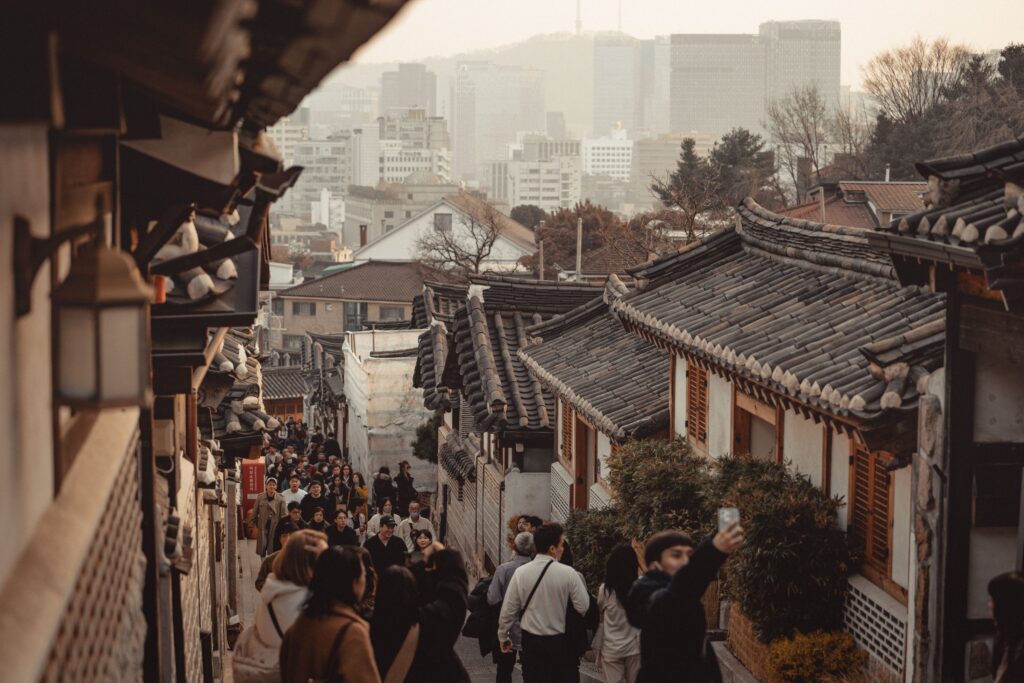
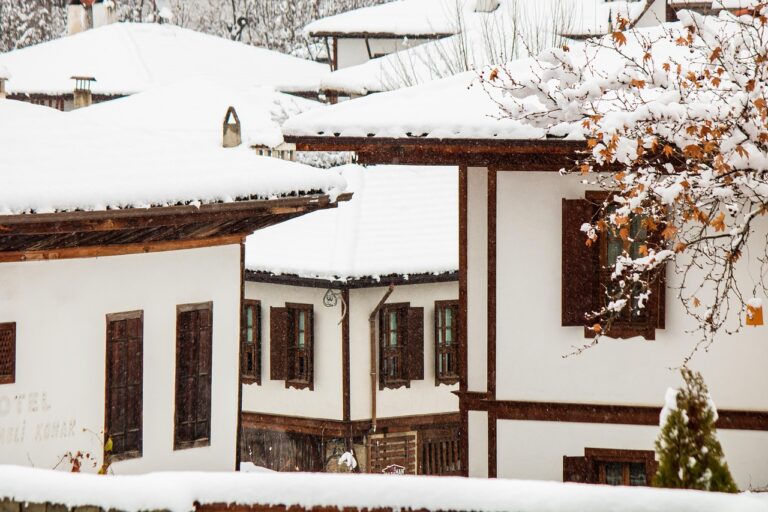
Bukchon Hanok Village is famous for its traditional Korean houses, known as hanok.
The historic neighbourhood is located between several major palaces and provides excellent views of traditional Seoul.
The narrow streets and traditional buildings make it one of the city’s most photographed areas.
Best for: Culture, architecture and photography.
4. Namsan Seoul Tower
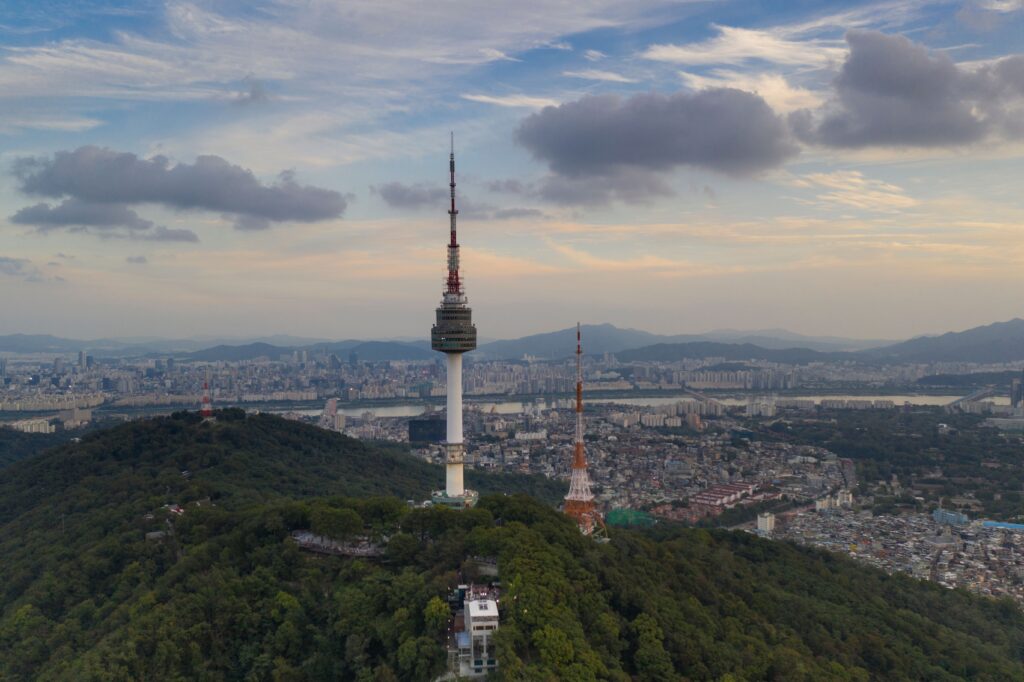
N Seoul Tower sits on Namsan Mountain and offers panoramic views across Seoul.
It is especially attractive around sunset and after dark when the city’s skyline lights up.
The tower is also a popular destination for couples.
Best for: City views, couples and photography.
5. Myeongdong
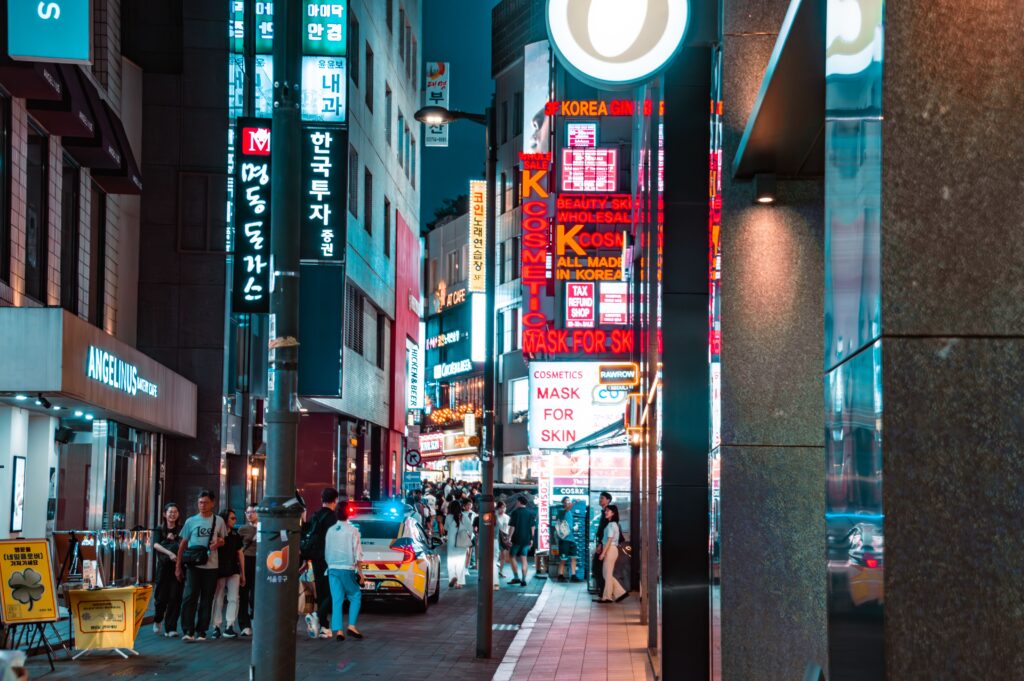
Myeongdong is one of Seoul’s most popular shopping and food districts.
Visitors can find Korean cosmetics, fashion stores, cafés, restaurants and street-food stalls.
It is a convenient area for travellers who want shopping and entertainment in one place.
Best for: Shopping, food and nightlife.
6. Hongdae
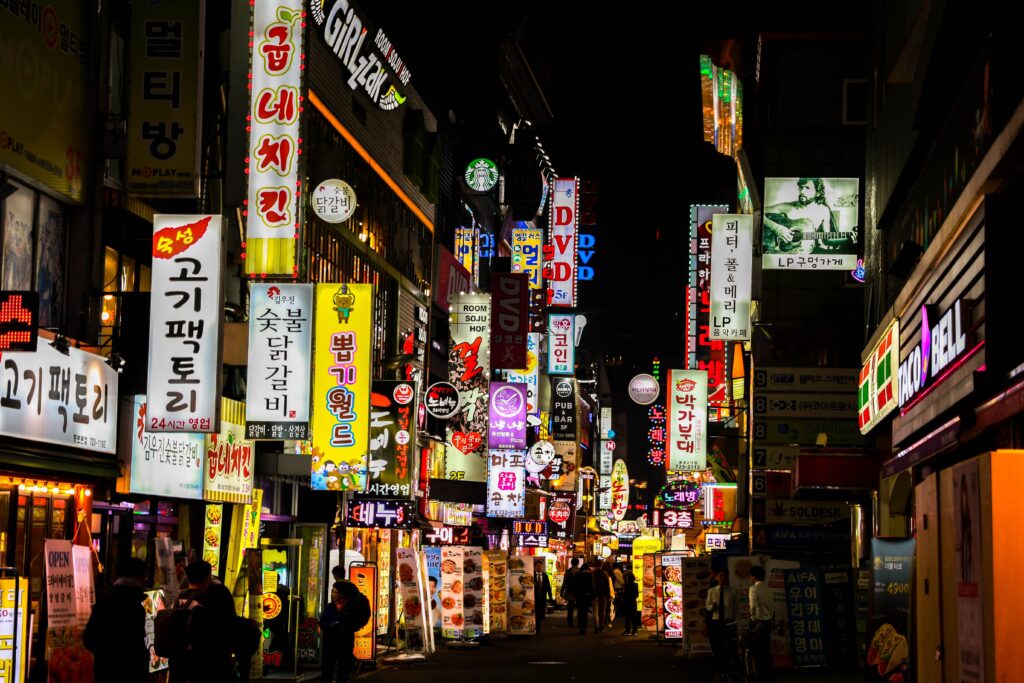
Hongdae is known for its youthful atmosphere, cafés, music, street performances and nightlife.
The neighbourhood is particularly popular with younger travellers and people interested in Korean pop culture.
Walking around Hongdae in the evening is a great way to experience modern Seoul.
Best for: K-pop, nightlife, cafés and young travellers.
7. Insadong
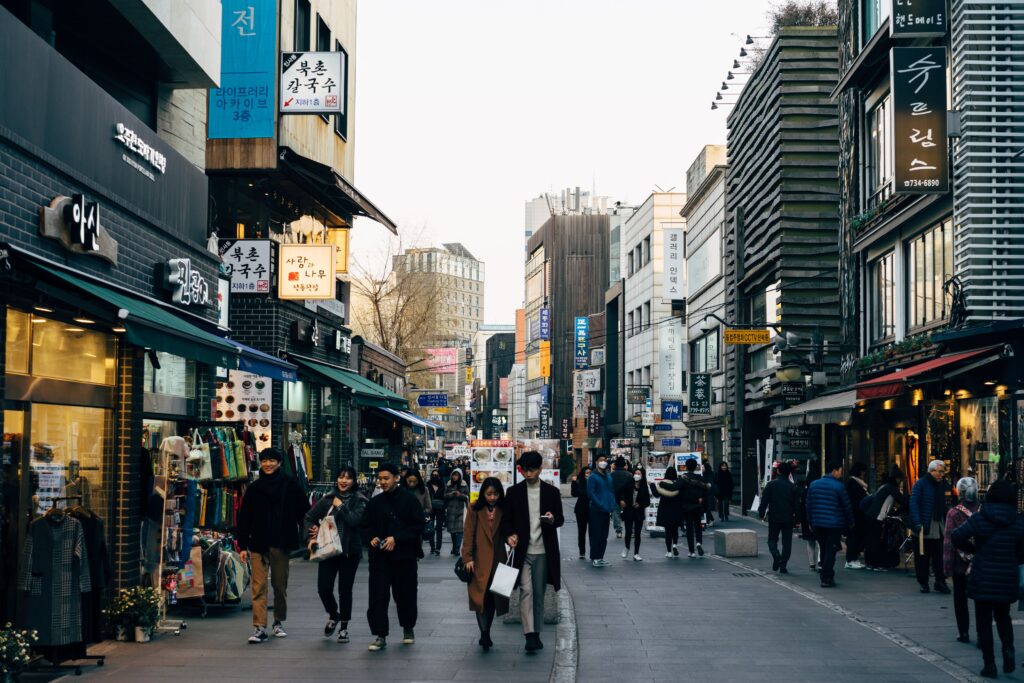
Insadong is one of the best places in Seoul to experience traditional Korean culture.
The area has tea houses, galleries, craft shops, restaurants and traditional souvenirs.
It is a good place to combine shopping with cultural sightseeing.
Best for: Culture, art and traditional shopping.
8. Changdeokgung Palace
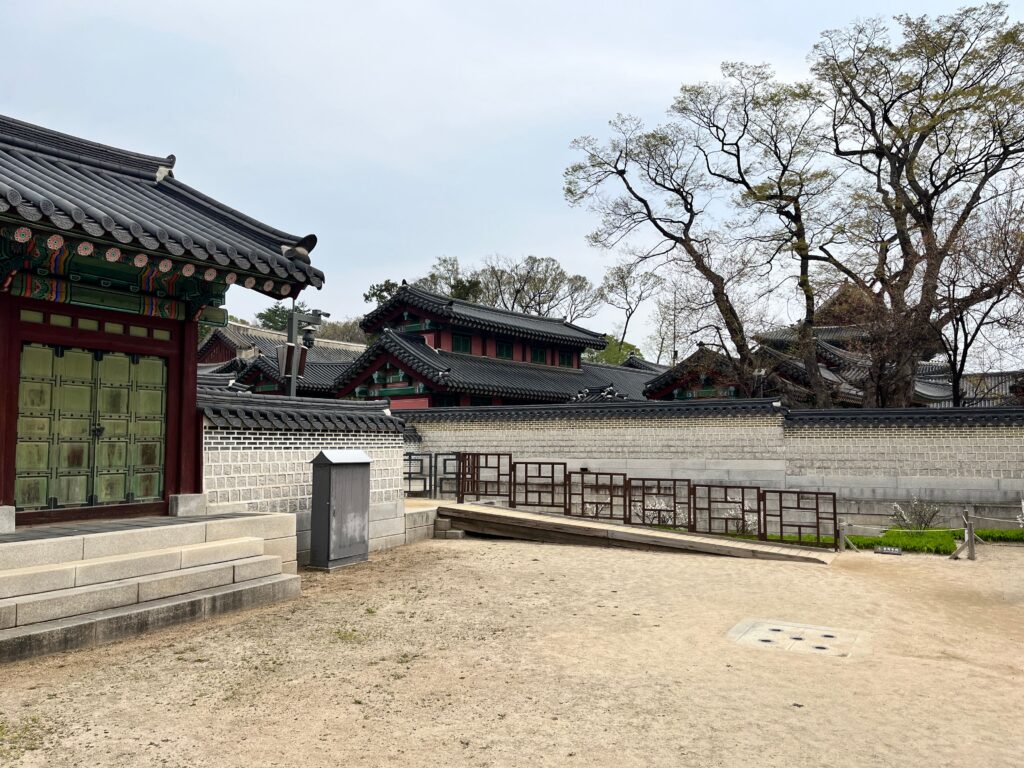
Changdeokgung Palace is another important royal palace in Seoul.
Its architecture and gardens reflect traditional Korean design and history.
The palace’s Secret Garden is particularly popular with visitors.
Best for: History, gardens and architecture.
9. Dongdaemun Design Plaza
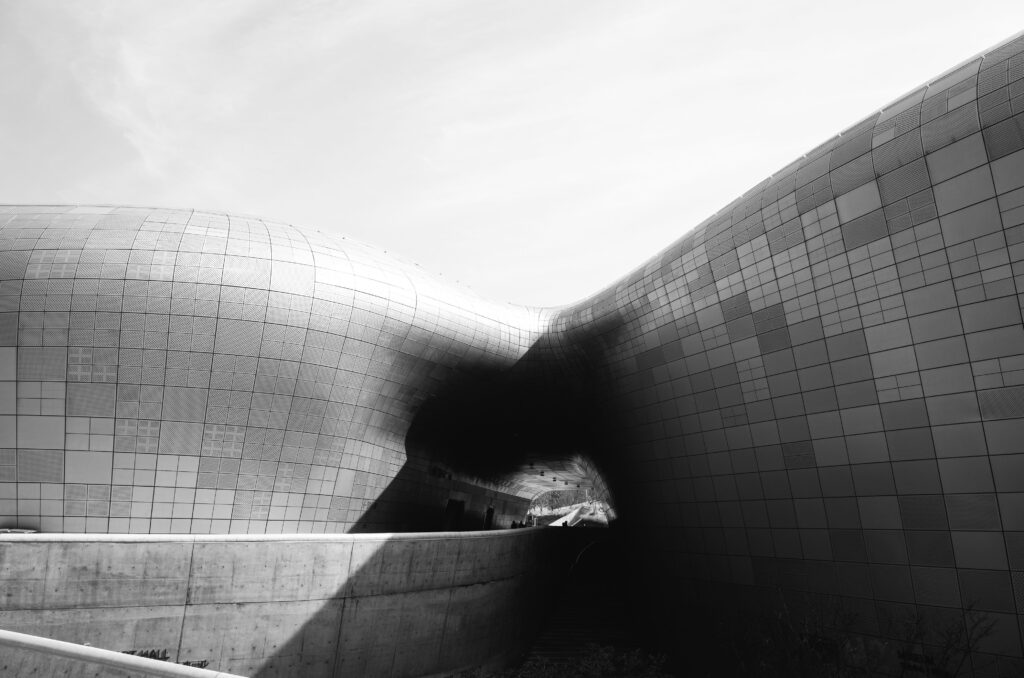
Dongdaemun Design Plaza, commonly known as DDP, is one of Seoul’s most recognisable modern buildings.
Its futuristic architecture makes it a favourite location for photographers and design enthusiasts.
The surrounding Dongdaemun area is also popular for shopping.
Best for: Architecture, design and photography.
10. Han River
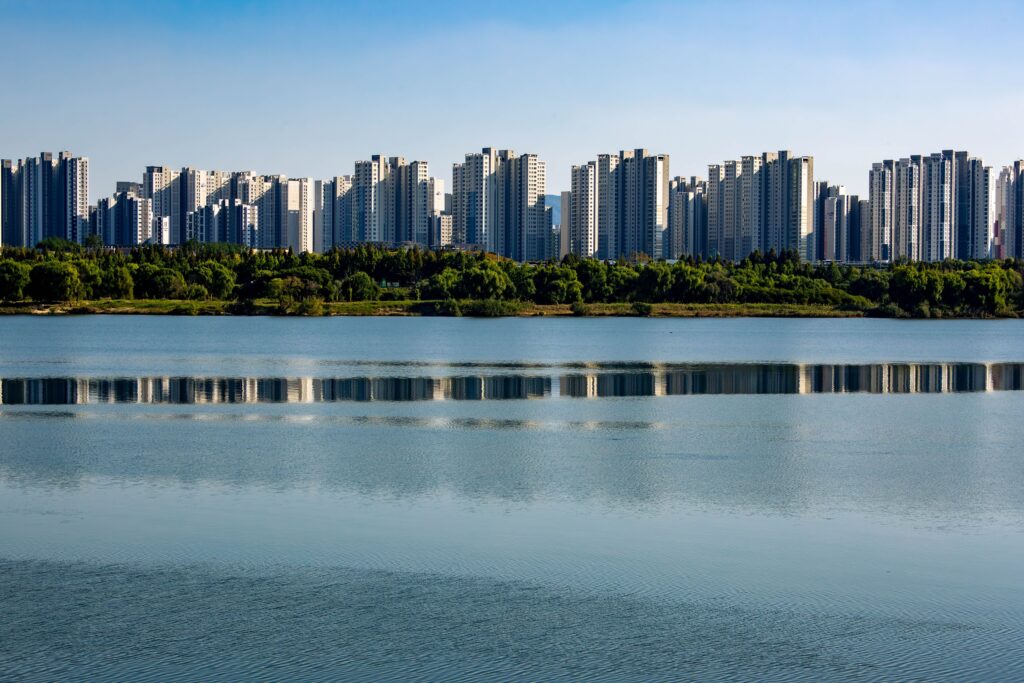
The Han River runs through Seoul and provides numerous opportunities for relaxation and outdoor activities.
Visitors can walk or cycle along the riverside, enjoy a picnic or simply watch the city skyline.
An evening visit can be particularly enjoyable.
Best for: Families, couples, cycling and relaxation.
11. Busan
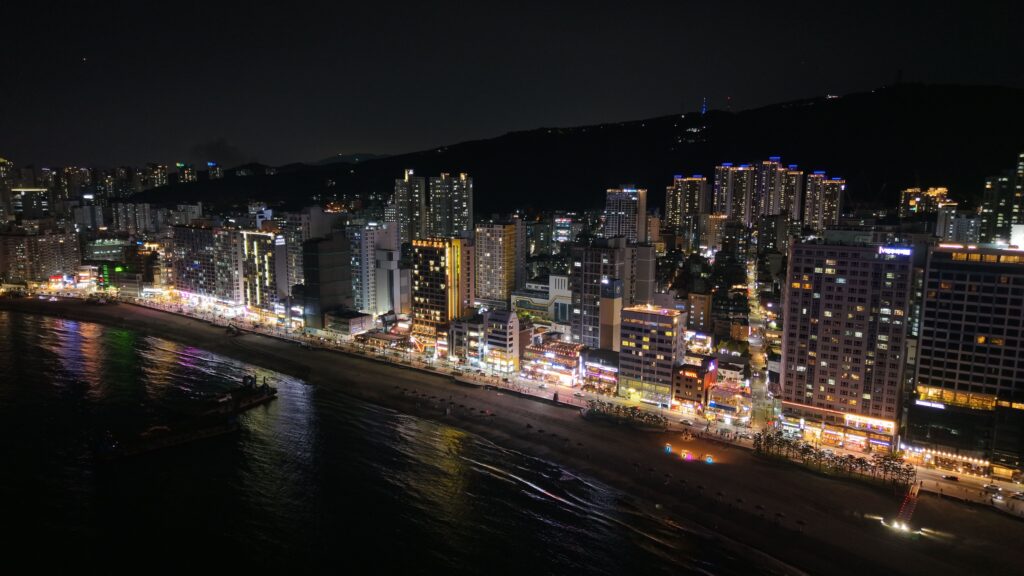
Busan is South Korea’s second-largest city and a major coastal destination.
It offers beaches, seafood markets, temples, mountains and a lively waterfront atmosphere.
Haeundae Beach, Gamcheon Culture Village and Jagalchi Market are among the city’s popular attractions.
Best for: Beaches, food, culture and city breaks.
12. Haeundae Beach
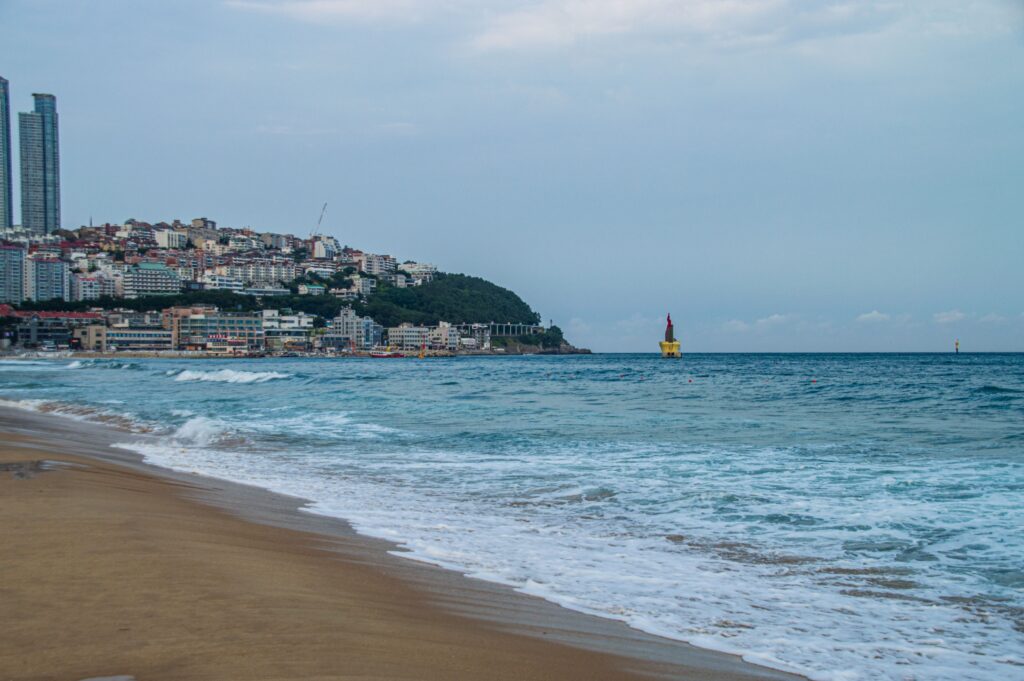
Haeundae is one of South Korea’s most famous beaches.
The beach is surrounded by hotels, restaurants and entertainment venues, making it convenient for tourists.
It is especially popular during the warmer months.
Best for: Beach holidays, families and couples.
13. Gamcheon Culture Village
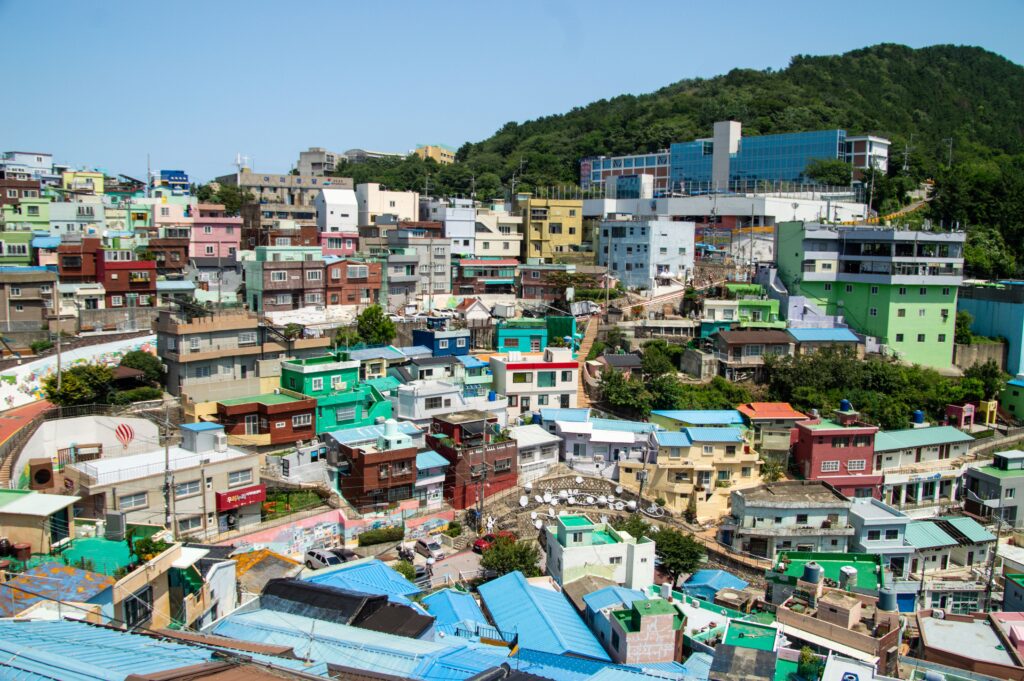
Gamcheon Culture Village is famous for its colourful houses built into the hills of Busan.
The neighbourhood contains small cafés, art installations, shops and viewpoints.
Its colourful streets make it one of Busan’s most popular photography locations.
Best for: Photography, art and culture.
14. Haedong Yonggungsa Temple
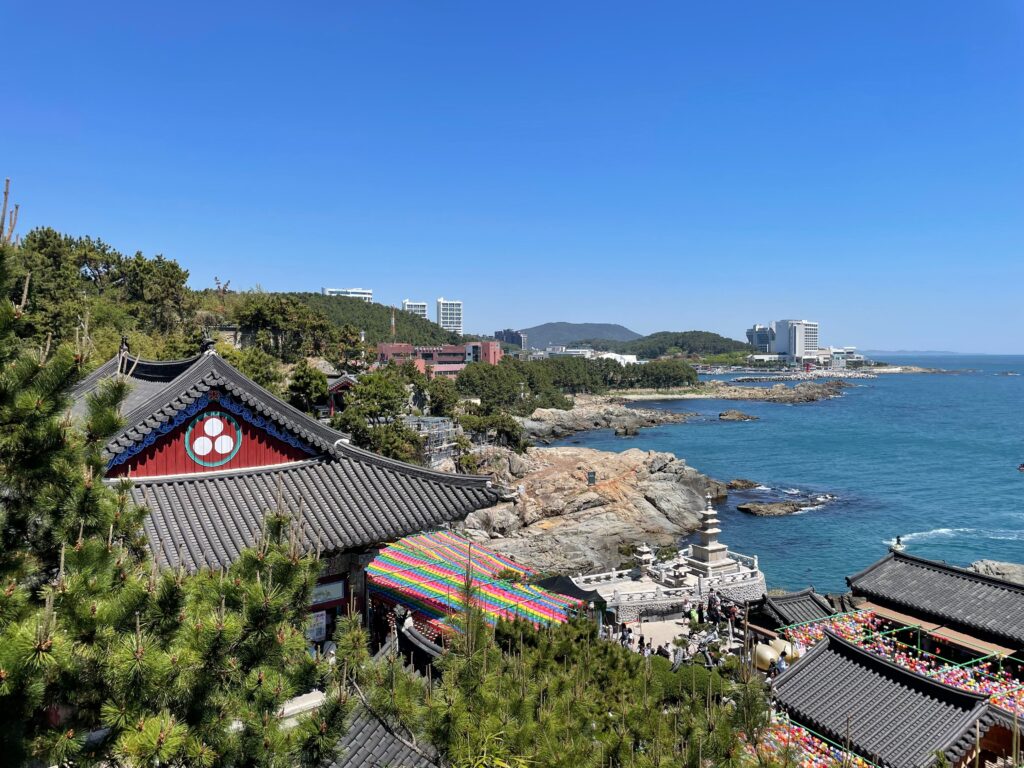
Haedong Yonggungsa is a beautiful Buddhist temple located beside the sea near Busan.
Unlike many mountain temples, this temple offers dramatic coastal views.
The combination of architecture, ocean scenery and surrounding cliffs makes it a memorable attraction.
Best for: Culture, spirituality and photography.
15. Jeju Island
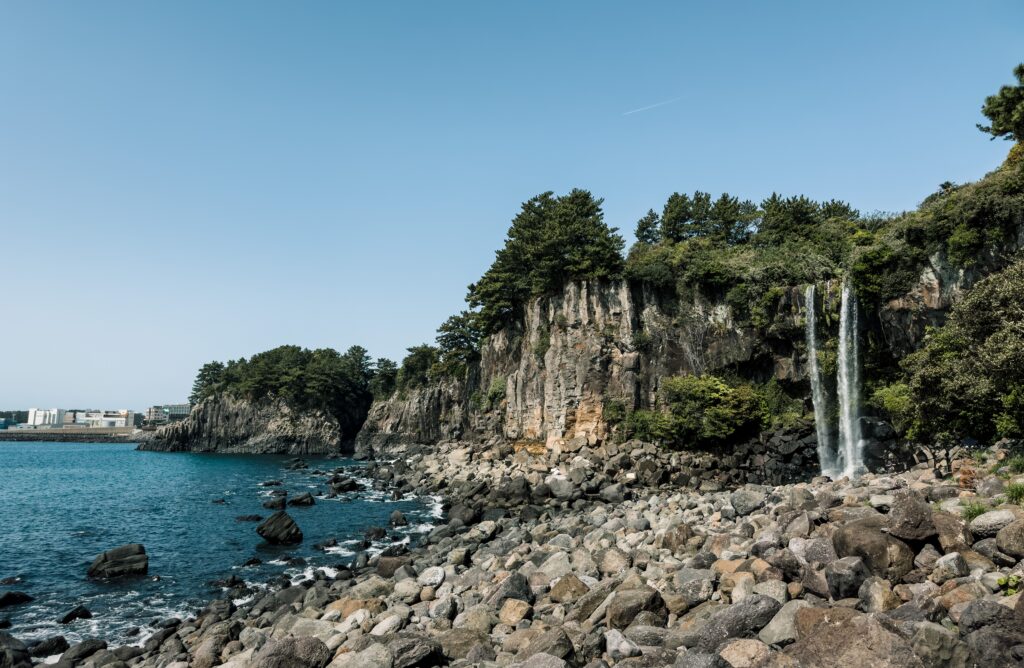
Jeju Island is one of South Korea’s most popular holiday destinations.
The volcanic island is known for beaches, waterfalls, mountains, caves and unique natural landscapes.
Jeju is ideal for travellers who want to experience a quieter and more nature-focused side of Korea.
Best for: Nature, couples, families and road trips.
16. Hallasan Mountain
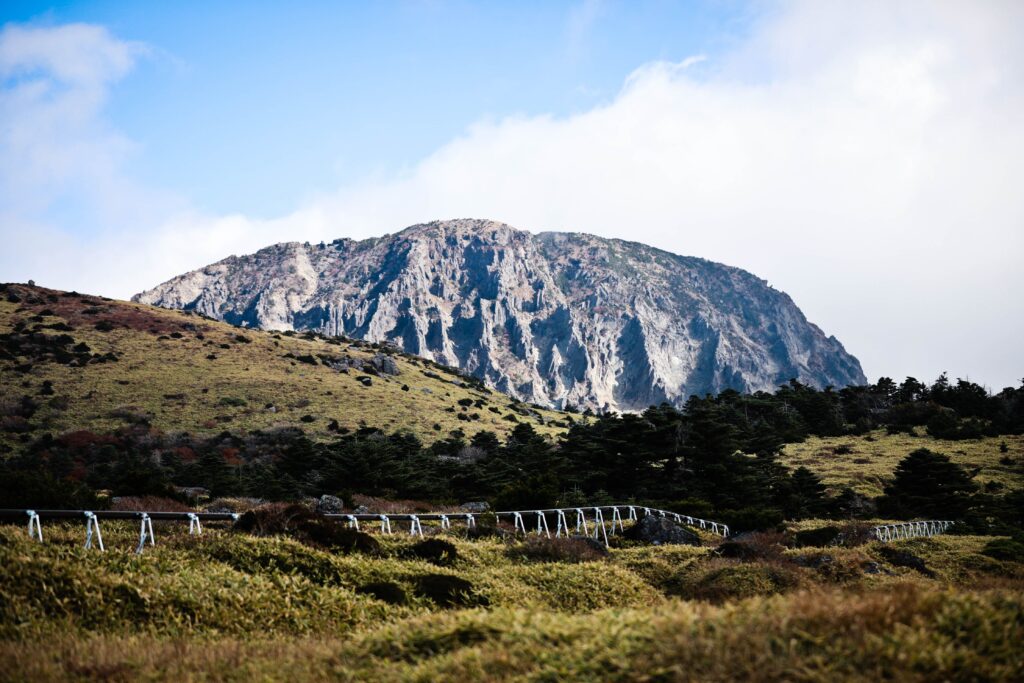
Hallasan is the highest mountain in South Korea and is located in the centre of Jeju Island.
The mountain offers hiking opportunities and spectacular scenery.
Different trails provide different levels of difficulty, so visitors should choose a route appropriate for their experience and current conditions.
Best for: Hiking, nature and adventure.
17. Seongsan Ilchulbong
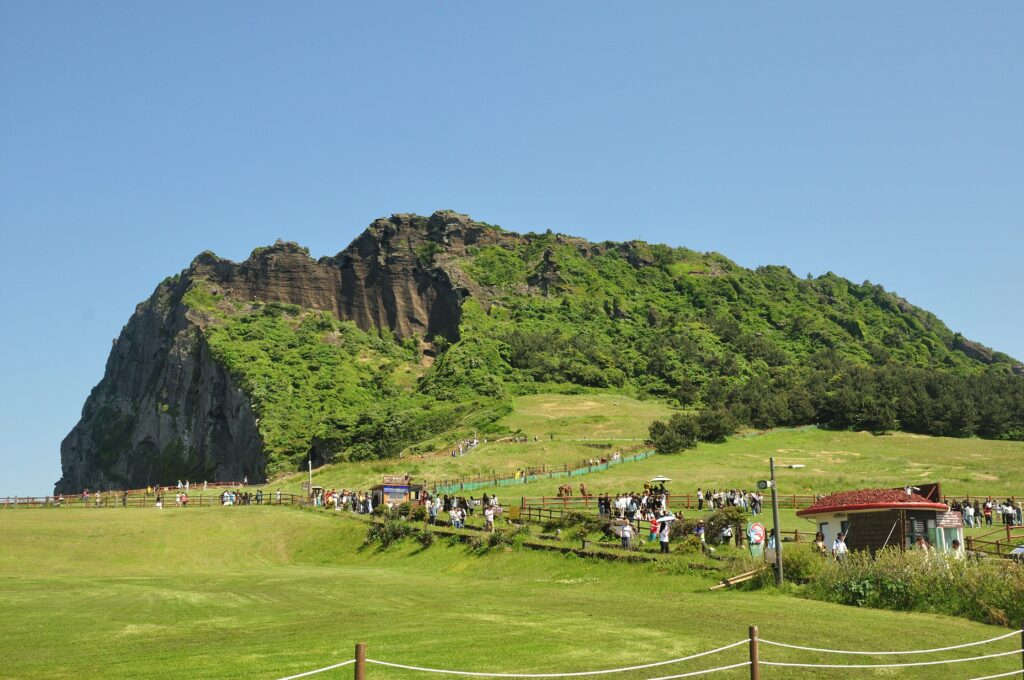
Seongsan Ilchulbong, also known as Sunrise Peak, is one of Jeju’s most famous natural landmarks.
The volcanic crater rises dramatically from the coast and is particularly beautiful around sunrise.
It is an excellent destination for photography and nature lovers.
Best for: Sunrise, hiking and photography.
18. Gyeongju
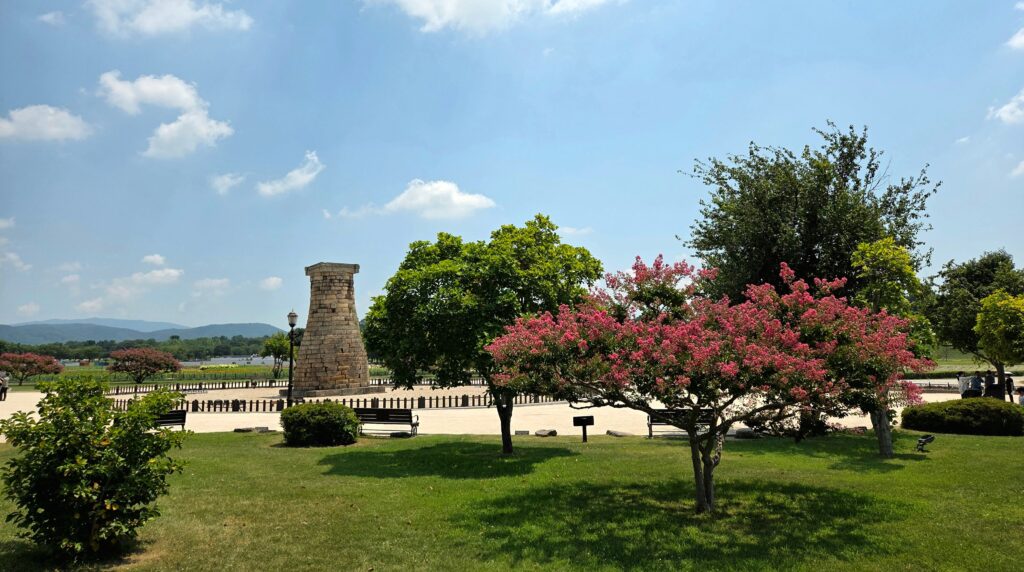
Gyeongju is often described as one of the best places in Korea for history lovers.
The city was the capital of the ancient Silla Kingdom and contains temples, tombs, archaeological sites and historic landmarks.
It provides a fascinating contrast to modern Seoul.
Best for: History, archaeology and culture.
19. Bulguksa Temple
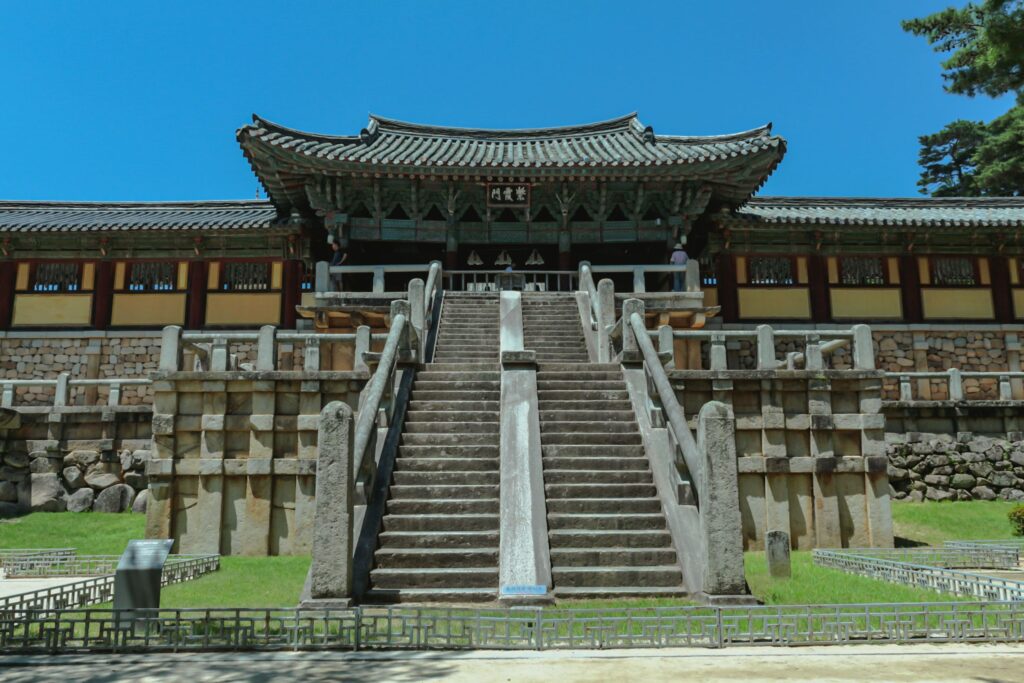
Bulguksa Temple near Gyeongju is one of Korea’s most important Buddhist sites.
The temple complex contains beautiful traditional architecture and important cultural heritage.
It is one of the highlights of a Gyeongju itinerary.
Best for: History, Buddhism and architecture.
20. Andong Hahoe Folk Village
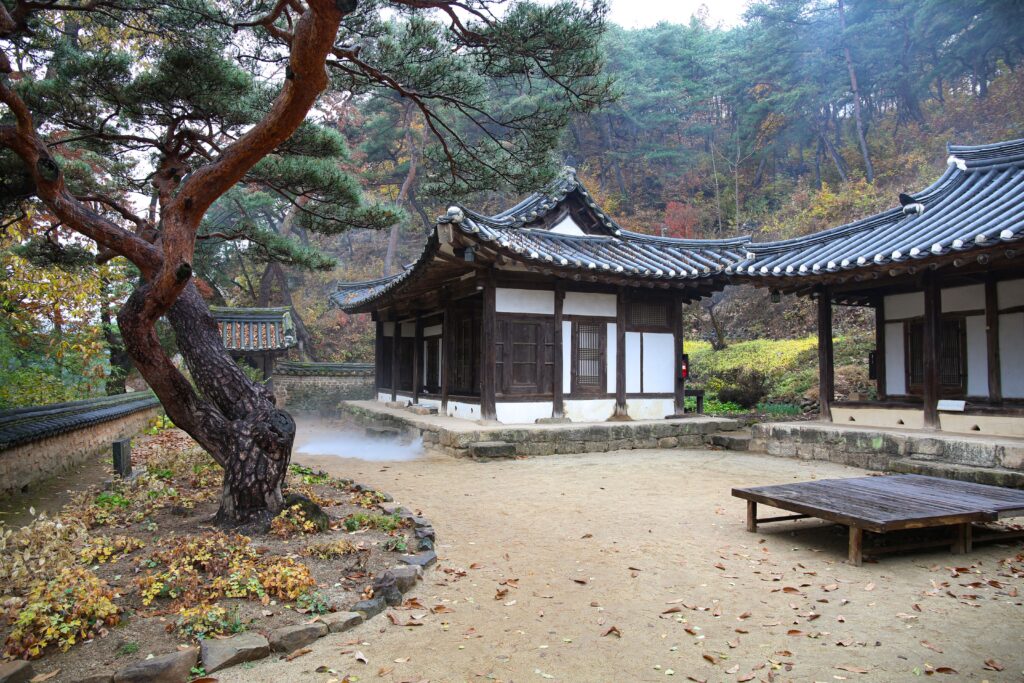
Andong Hahoe Folk Village provides visitors with an opportunity to experience traditional Korean village life.
The village is known for traditional houses, cultural traditions and historic surroundings.
It is a good choice for travellers looking beyond South Korea’s major cities.
Best for: Traditional culture, history and photography.
21. DMZ
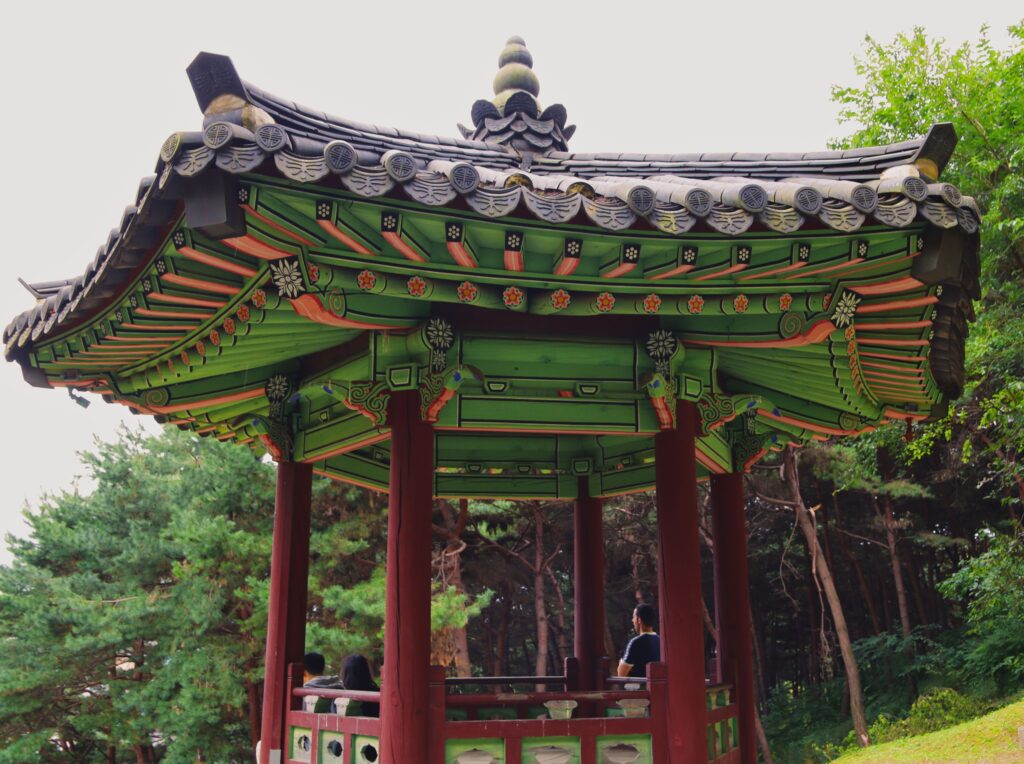
The Korean Demilitarized Zone, or DMZ, is one of the world’s most heavily guarded borders.
Organised tours allow visitors to learn about the history and continuing significance of the Korean Peninsula.
Access is controlled and tour availability can depend on current security conditions.
Best for: History and educational travel.
22. Seoraksan National Park
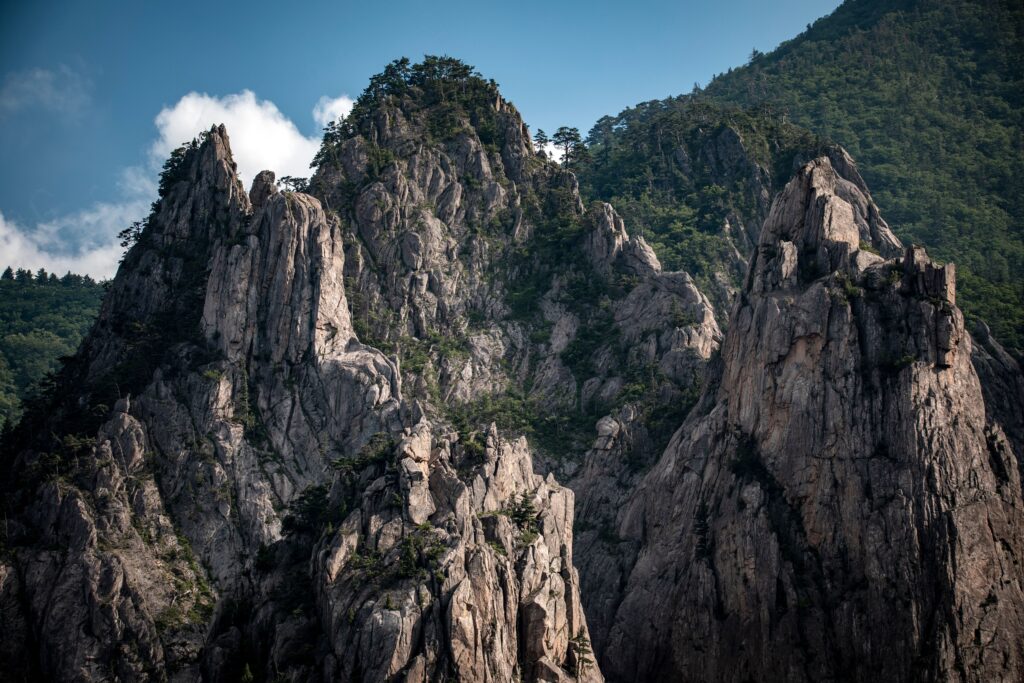
Seoraksan National Park is one of South Korea’s most beautiful natural areas.
The park is famous for dramatic mountains, forests, hiking trails and seasonal scenery.
Autumn is particularly popular because of the colourful foliage.
Best for: Hiking, nature and photography.
23. Suwon Hwaseong Fortress
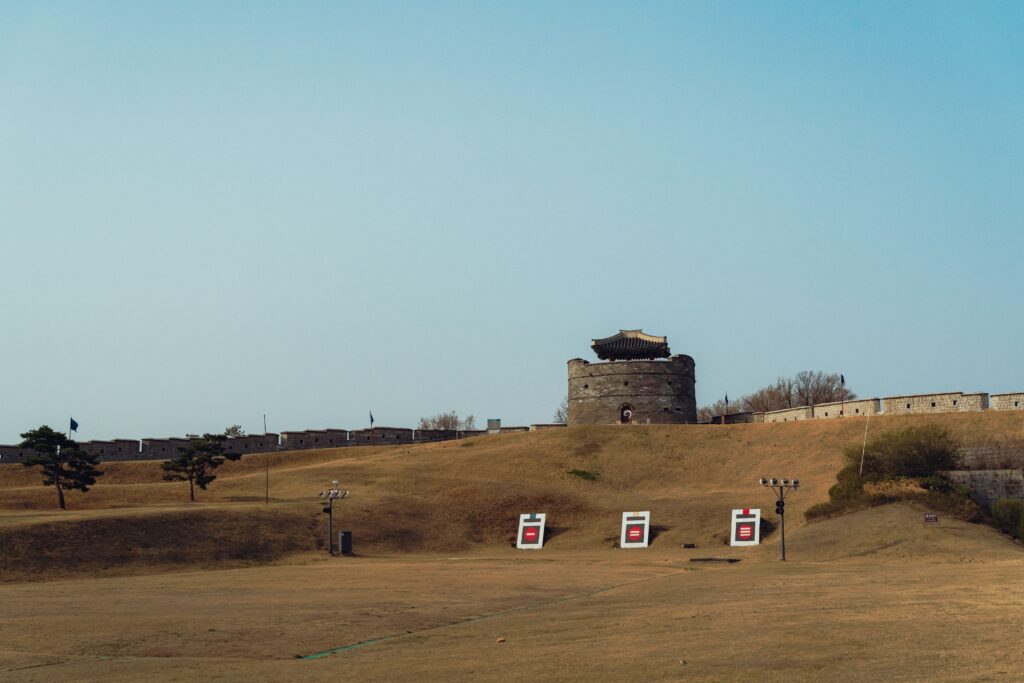
Suwon Hwaseong Fortress is an impressive historic fortification located near Seoul.
Its walls, gates and surrounding city scenery provide an excellent introduction to Korean military architecture and history.
It can also be visited as a day trip from Seoul.
Best for: History, architecture and day trips.
24. Nami Island
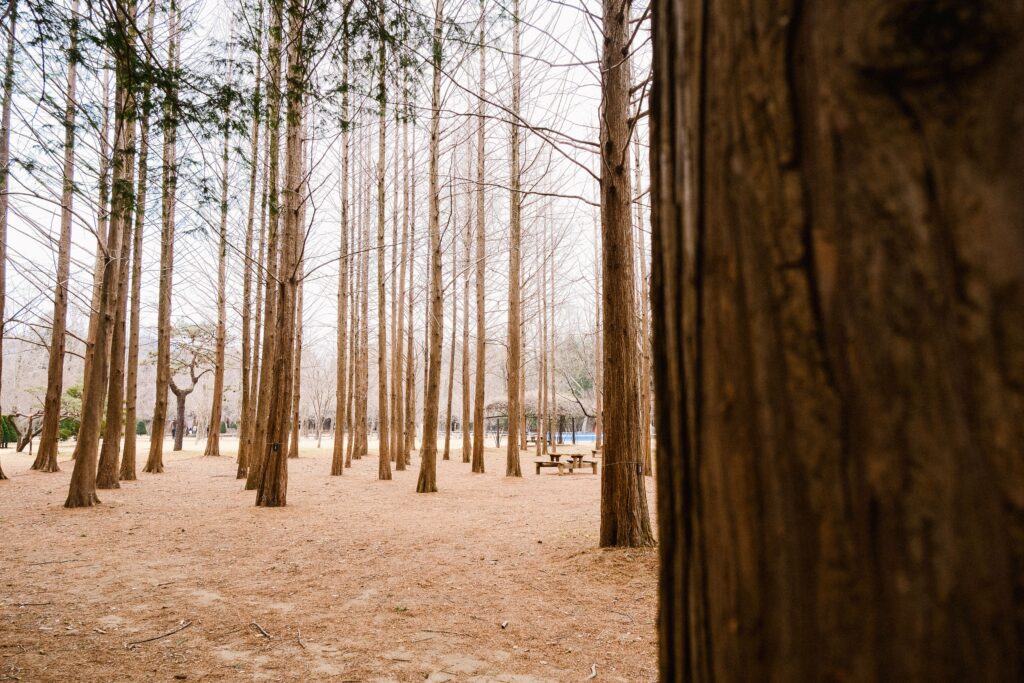
Nami Island is a popular day-trip destination from Seoul.
It is known for tree-lined paths, gardens and seasonal scenery. The island became especially famous internationally through Korean entertainment and is popular with couples and photographers.
Autumn colours and spring greenery make it particularly attractive.
Best for: Couples, families, photography and seasonal travel.
25. Jeonju Hanok Village
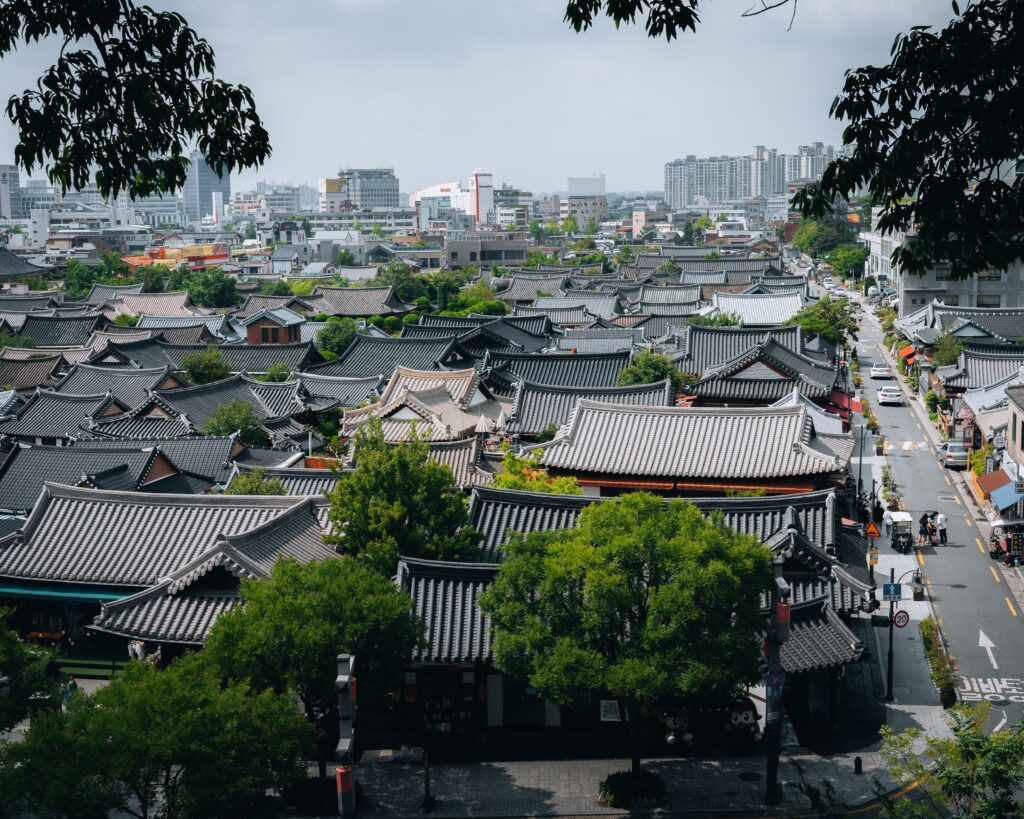
Jeonju is famous for its traditional architecture and food culture.
Jeonju Hanok Village contains hundreds of traditional Korean houses and is an excellent place to experience Korean heritage.
The city is also famous for bibimbap, one of Korea’s best-known dishes.
Best for: Food, culture, architecture and traditional experiences.
Best Places to Visit in South Korea by Traveller Type
| Traveller Type | Best Places |
|---|---|
| First-time visitors | Seoul, Busan, Jeju |
| History lovers | Gyeongju, Seoul, Suwon |
| Beach lovers | Busan, Jeju |
| Nature lovers | Jeju, Seoraksan |
| Couples | Seoul, Jeju, Nami Island |
| Families | Seoul, Busan, Jeju |
| Food lovers | Seoul, Busan, Jeonju |
| K-pop fans | Seoul, Busan |
| Photographers | Seoul, Busan, Jeju |
| Adventure lovers | Jeju, Seoraksan |
Best Time to Visit South Korea
South Korea is a year-round destination, but each season offers a different experience.
Spring
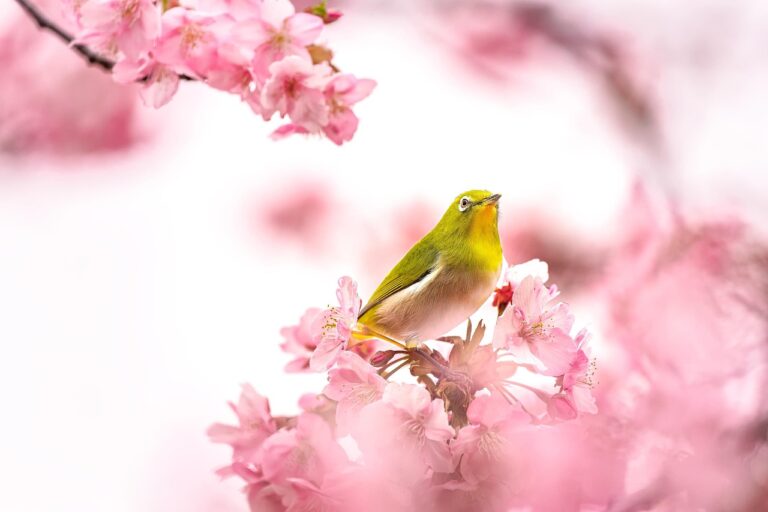
Spring is one of the most popular seasons because of cherry blossoms and pleasant weather. Seoul, Busan, Jeju and other destinations become especially attractive during the blossom season.
Summer
Summer is suitable for beaches and coastal destinations such as Busan and Jeju. However, temperatures and humidity can be high.
Autumn
Autumn is an excellent time for sightseeing and hiking. Seoraksan, Seoul and Gyeongju can be particularly beautiful when autumn foliage appears.
Winter
Winter brings cold temperatures and snow to many regions. Travellers interested in skiing, winter landscapes and seasonal festivals may enjoy visiting during this period.
How Many Days Do You Need in South Korea?
For a first trip, 7 to 10 days is a good starting point.
7-Day South Korea Itinerary
Day 1: Seoul
Day 2: Seoul – Gyeongbokgung + Bukchon
Day 3: Seoul – Myeongdong + N Seoul Tower
Day 4: Seoul → Busan
Day 5: Busan – Haeundae + Gamcheon
Day 6: Busan – Haedong Yonggungsa + Jagalchi Market
Day 7: Return/departure
10-Day Itinerary
Days 1–4: Seoul
Days 5–6: Busan
Days 7–8: Jeju Island
Day 9: Gyeongju
Day 10: Return to Seoul/departure
If you have two weeks, you can add Gyeongju, Jeonju, Seoraksan, Nami Island or the DMZ depending on your interests.
South Korea Travel Tips for 2026
Book popular hotels and attractions early if travelling during peak seasons.
Use public transportation in major cities. Seoul and Busan have extensive subway systems, making sightseeing relatively convenient.
Try local food rather than eating only international cuisine. Korean barbecue, bibimbap, tteokbokki, kimchi, Korean fried chicken and traditional markets are all worth exploring.
Learn a few simple Korean phrases before your trip. Even basic greetings can make cultural interactions more enjoyable.
For nature destinations, check weather conditions before hiking and follow local safety instructions.
Travellers should also check the latest visa, entry and health requirements applicable to their nationality before departure.
Final Thoughts
South Korea offers a remarkable combination of ancient traditions and modern culture. Seoul provides futuristic city life, shopping, K-pop and historic palaces, while Busan offers beaches and coastal scenery. Jeju Island brings volcanic landscapes and outdoor adventures, and Gyeongju provides a fascinating look at Korea’s ancient history.
For a first trip to South Korea in 2026, a strong itinerary would be:
Seoul → Busan → Jeju Island → Gyeongju
For a second visit, consider exploring Jeonju, Seoraksan, Andong, Suwon, Nami Island and the DMZ.
With its combination of food, history, entertainment, nature and pop culture, South Korea is an excellent destination for travellers looking for a memorable Asian holiday.
Contact Information
- Website: ozabooking.net
- Partner Website: Oza Digital Services
- Email: ozadigicare@gmail.com
- Author: Sandhya Kashyap