Majuli Island Travel Guide: Best Places to Visit, Hotels, Food and Travel Tips
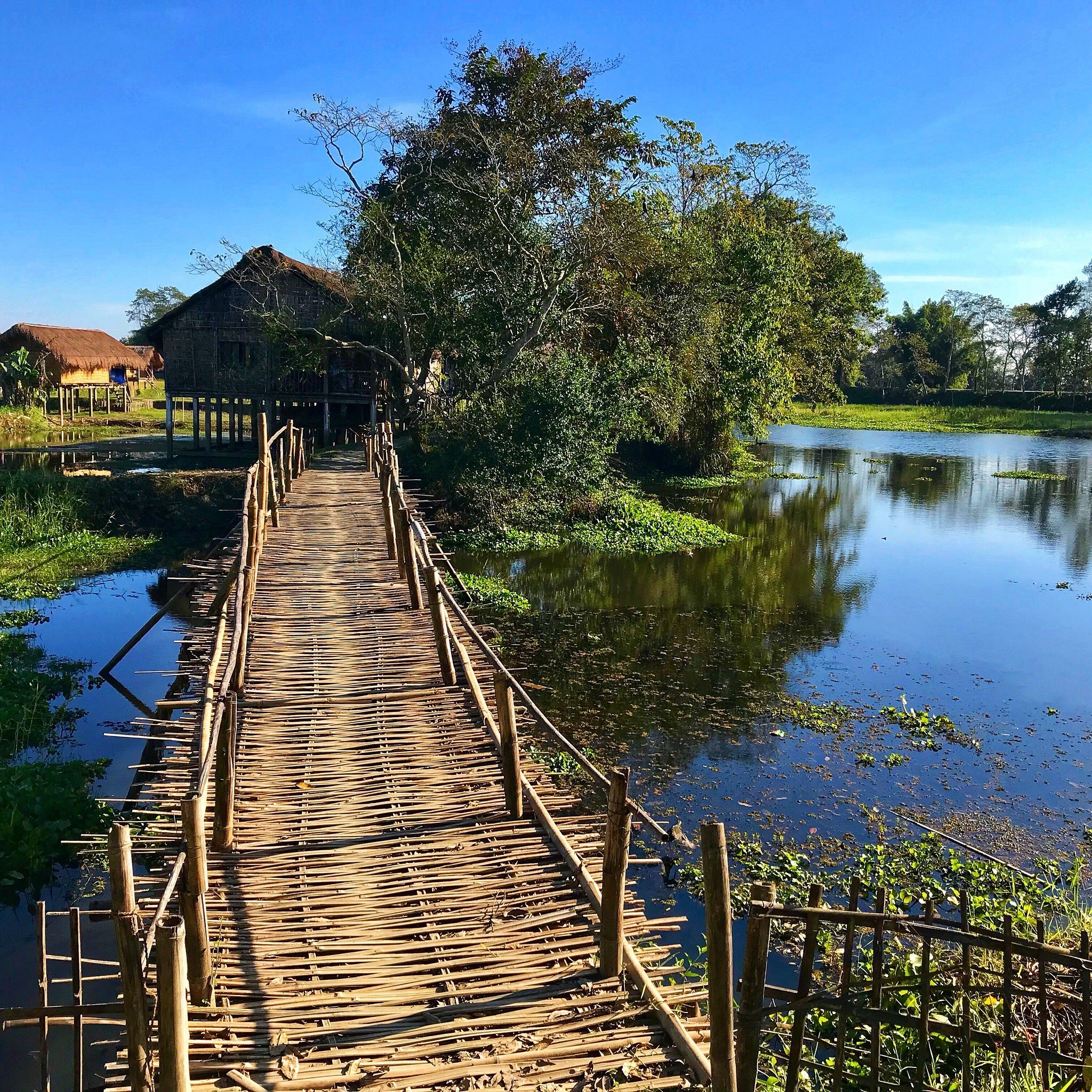
Majuli Island is one of the most fascinating destinations in Assam and a wonderful place to experience the cultural heart of Northeast India. Located in the mighty Brahmaputra River, Majuli is famous for its Vaishnavite Satras, traditional mask-making, pottery, tribal villages, folk traditions, green landscapes and peaceful rural lifestyle.
Unlike a typical tourist destination filled with busy markets and large hotels, Majuli offers a slower and more authentic travel experience. Here, you can spend your morning visiting centuries-old Satras, explore villages by bicycle, watch traditional artisans making masks, enjoy Assamese food and finish the day beside the river.
Majuli is officially described by the Assam government as the only island district of India, while Assam Tourism highlights its importance as a major centre of Assamese Neo-Vaishnavite culture.
If you are planning a trip to Assam, this Majuli Island Travel Guide will help you understand the best places to visit, where to stay, how to reach the island, the best time to visit and what experiences you should not miss.
Table of Contents
Why Visit Majuli Island?
Majuli is different from most tourist destinations in India. The island’s biggest attraction is not a single monument or viewpoint but its living culture.
The Satras preserve traditions associated with Srimanta Sankardeva and Madhavdeva, while local communities continue traditional crafts, agriculture, weaving, pottery and performing arts.
Some of the main reasons to visit Majuli include:
- Exploring historic Satras
- Watching traditional mask-making
- Experiencing Assamese village life
- Visiting Mising and Deori communities
- Exploring pottery villages
- Enjoying cycling through rural landscapes
- Watching traditional dance and theatre
- Birdwatching and nature photography
- Experiencing the famous Raas Mahotsav
- Staying in bamboo cottages and homestays
The official Majuli district tourism information also highlights Satras, tribal villages, pottery, birds and butterflies, boating and major festivals as important visitor experiences.
Best Places to Visit in Majuli Island
1. Auniati Satra
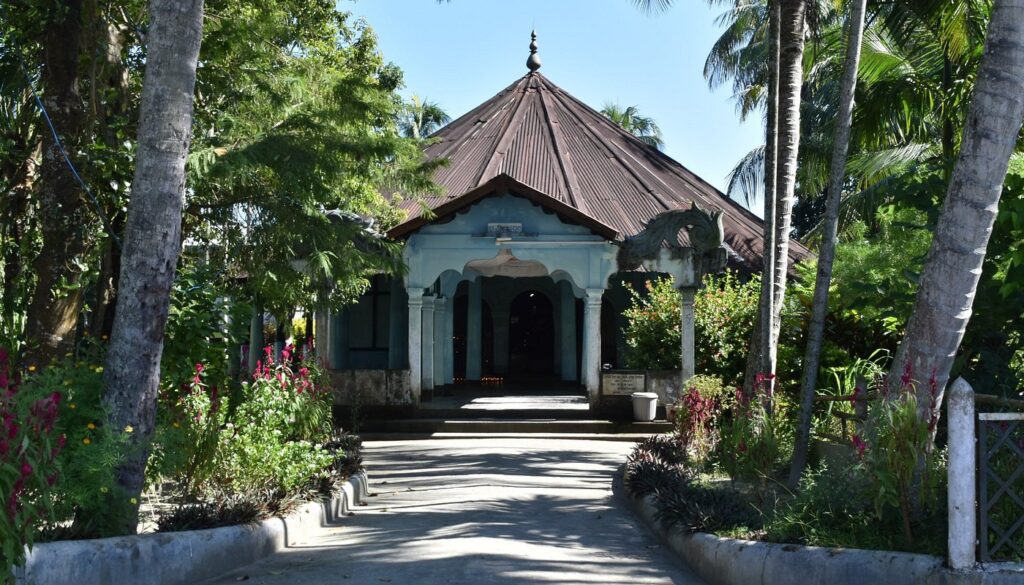
Auniati Satra is one of the important Satras of Majuli and an excellent place to begin your cultural exploration of the island.
The Satra is associated with Assamese Vaishnavite traditions and is known for Paal Naam and Apsara dance. Its museum also contains traditional and historical objects, including Assamese utensils, jewellery and handicrafts.
Visitors should maintain appropriate behaviour because Satras are active religious and cultural institutions, not simply tourist attractions.
2. Kamalabari Satra
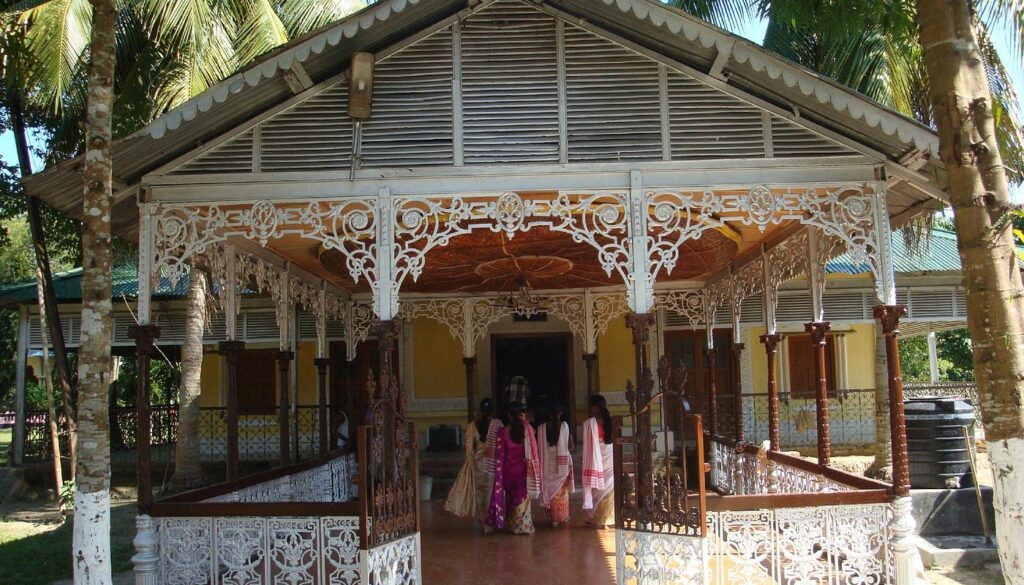
Kamalabari Satra is another important cultural centre of Majuli. It is associated with art, literature, classical studies and traditional performing arts.
Its importance goes beyond religious activities, making it an interesting destination for visitors who want to understand the cultural development of Assam.
The Uttar Kamalabari Satra is particularly associated with Sattriya artistic traditions. Assam Tourism identifies Kamalabari as a centre of culture, art, literature and classical studies.
3. Dakhinpat Satra
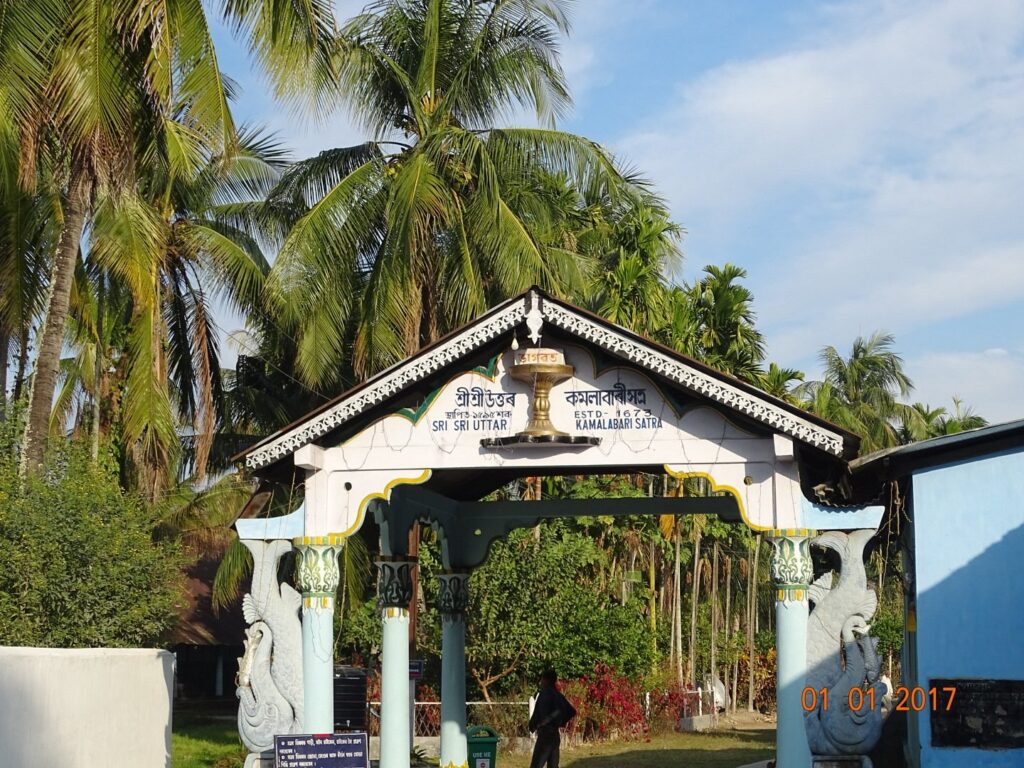
Dakhinpat Satra is one of the major Satras of Majuli and is especially important during the Raas celebrations.
If you visit during the festival season, the atmosphere around the island becomes much more lively, with traditional performances and cultural activities.
The Satra is one of the places associated with Majuli’s long-standing Vaishnavite cultural traditions.
4. Samaguri Satra – Famous for Mask Making
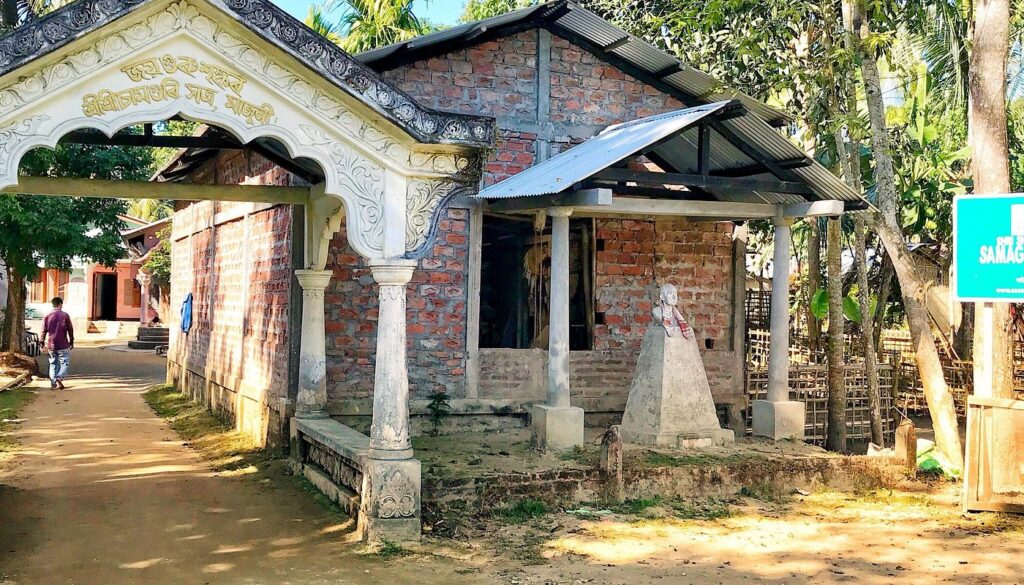
Samaguri Satra is one of the most interesting places to visit for anyone interested in traditional Assamese crafts.
It is internationally known for its mask-making tradition, where artisans create masks used in traditional performances.
The masks depict characters from religious and mythological stories and are made using locally available materials and traditional techniques.
Watching an artisan work can be one of the most memorable experiences of a Majuli trip.
Assam Tourism specifically identifies Shamaguri/Samaguri Satra with the island’s famous mask-making tradition.
5. Garamur Satra
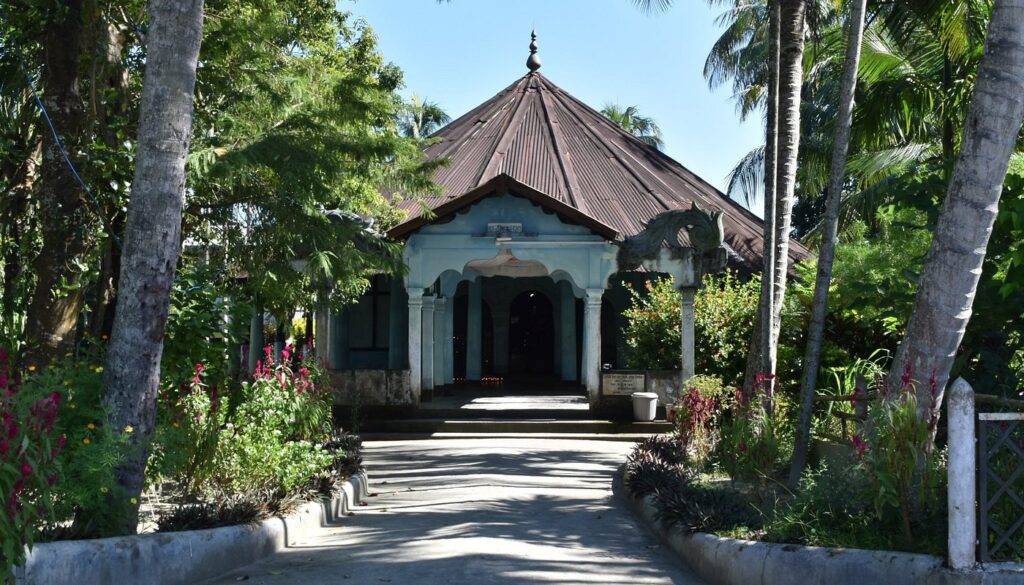
Garamur Satra is another important cultural site on the island.
The Satra provides an opportunity to learn more about the religious and artistic traditions that have developed in Majuli over several centuries.
Visitors interested in Assamese history and culture should include Garamur in their sightseeing itinerary.
6. Bengenaati Satra
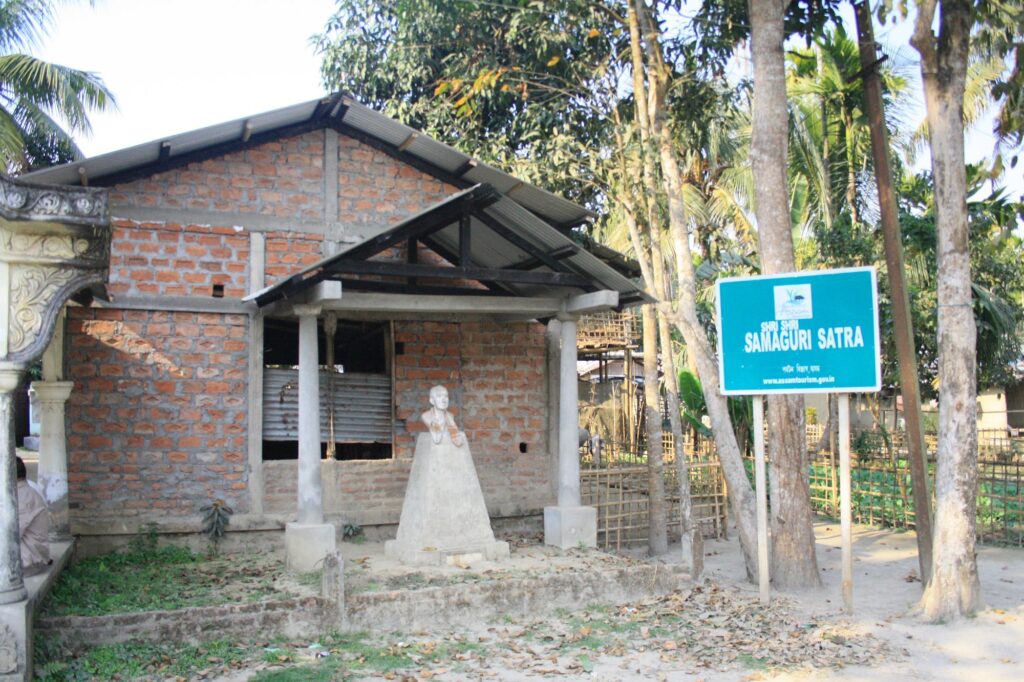
Bengenaati Satra is known for its cultural heritage and performing arts.
According to Assam Tourism, the Satra preserves historically significant objects, including royal artefacts associated with the Ahom period.
For history lovers, this makes Bengenaati an interesting addition to a Majuli sightseeing tour.
7. Salmora Pottery Village
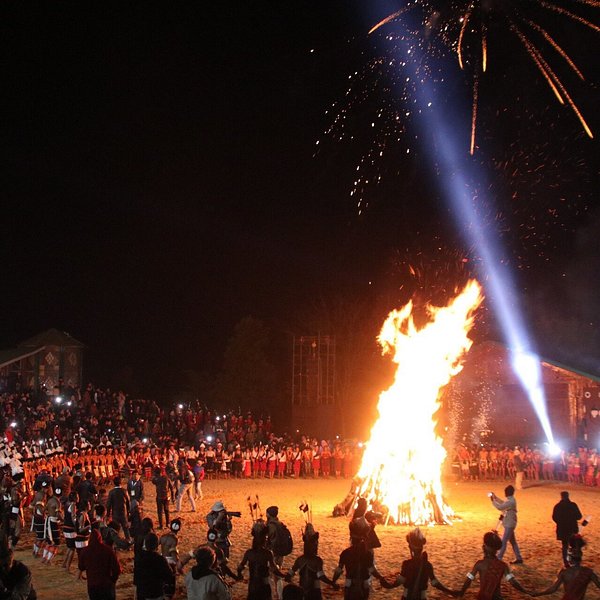
Majuli is also known for its traditional pottery.
Salmora is an excellent place to see local artisans working with clay and producing traditional pottery using techniques passed through generations.
Rather than simply buying a souvenir, visitors can take time to observe the process and understand the skill involved in creating these everyday objects.
Assam Tourism includes Salmora Pottery Village among the notable places to visit in Majuli.
8. Mising and Deori Tribal Villages
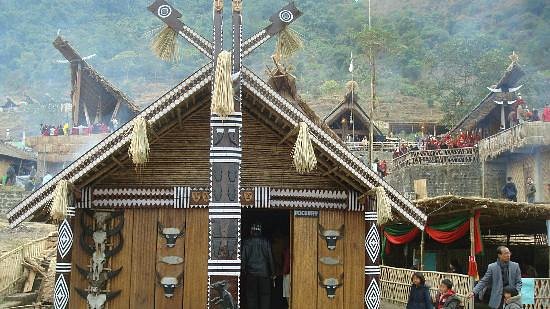
A visit to Majuli is incomplete without experiencing its rural communities.
The island is home to communities including the Mising and Deori, whose traditions, homes, clothing, food, music and festivals add to Majuli’s cultural diversity.
A village visit should be approached respectfully. Ask before photographing people, homes or cultural activities, and avoid treating local communities simply as tourist attractions.
The official Majuli tourism information specifically promotes Mising and Deori tribal villages as visitor experiences.
9. Brahmaputra River and Riverside Landscapes

The Brahmaputra is an essential part of Majuli’s identity.
Instead of rushing from one attraction to another, spend some time enjoying the river landscape. The changing colours of the sky, agricultural fields, boats and rural surroundings create excellent opportunities for photography.
Early mornings and evenings are particularly pleasant for enjoying the peaceful atmosphere.
Boating and river-based experiences are also listed among Majuli’s tourism activities.
10. Birdwatching and Nature Exploration
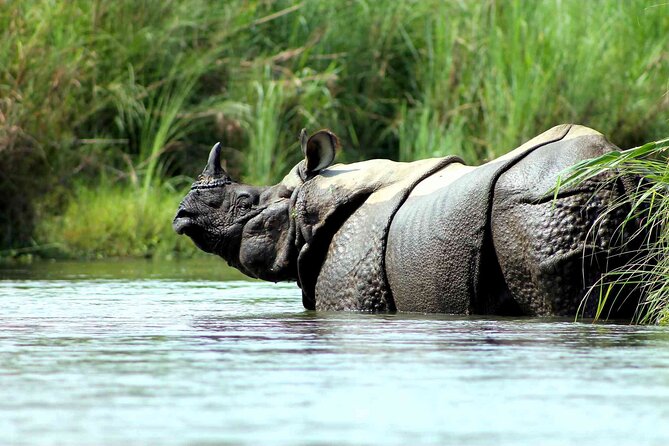
Majuli is also an interesting destination for birdwatchers and nature lovers.
The island’s wetlands, greenery and riverine environment provide habitat for a variety of birds. Assam Tourism describes Majuli as an important biodiversity area and notes its significance for migratory birds.
Carry binoculars if birdwatching is one of your interests, and avoid disturbing birds or other wildlife.
Best Hotels and Places to Stay in Majuli
Majuli is not primarily a luxury-hotel destination. The accommodation experience is part of the island’s charm.
You can find bamboo cottages, eco-resorts, homestays, guesthouses, lodges and some Satra accommodation.
The official Majuli district website currently lists a wide range of cottages, resorts, guesthouses, homestays and lodges.
Ygdrasill Bamboo Cottage
Bamboo cottages are particularly popular among travelers visiting Majuli because they fit naturally into the island’s rural surroundings.
Ygdrasill Bamboo Cottage is one of the accommodation options listed by the Majuli district administration.
It can be considered by travelers looking for a traditional, nature-oriented stay rather than a conventional city hotel.
Prashaanti Log Huts
Prashaanti Log Huts is another accommodation option listed by the district tourism authorities.
Its location around Kamalabari makes it useful for travelers interested in exploring nearby cultural attractions.
La Maison de Ananda
La Maison de Ananda is another accommodation option available in Majuli and is also listed among current Majuli stays on travel platforms.
It can be considered by travelers looking for a more comfortable private accommodation experience.
Enchanting Majuli
Enchanting Majuli offers another option for visitors looking for accommodation on the island.
It is particularly worth considering for travelers who prefer staying on the island rather than returning to Jorhat after sightseeing.
Satra Guest Houses
One of the most unusual accommodation experiences in Majuli is staying at a Satra guest house.
Some Satras provide accommodation for visitors and devotees. Assam Tourism notes that certain Satras offer guest accommodation where visitors can experience aspects of monastery life and traditional culture.
Availability and rules can vary, so it is advisable to confirm arrangements before travelling.
Best Time to Visit Majuli Island
The best time to visit Majuli depends on the experience you want.
October to March
This is generally a comfortable period for sightseeing and outdoor activities. Assam Tourism identifies October to March as a favourable season, particularly because many cultural performances take place during this period.
November – Raas Mahotsav
November is particularly special because Majuli hosts its famous Raas Mahotsav.
During this festival, the island becomes a centre of cultural activity, with traditional performances depicting stories associated with Lord Krishna.
Assam Tourism identifies the Raas festival in mid-November as one of the major reasons to visit Majuli.
However, festival periods can also mean larger crowds and higher demand for accommodation, so advance planning is advisable.
Monsoon
The monsoon brings lush greenery to the island but can also affect travel conditions. Because Majuli is a river island, visitors should check current weather, ferry operations and local travel advisories before travelling during periods of heavy rain.
How to Reach Majuli Island
Majuli is most commonly reached by ferry from the Jorhat side of Assam.
The usual route involves travelling from Jorhat to Nimati Ghat and then taking a ferry towards Majuli.
The Majuli district administration states that Nimati Ghat is the nearest port on the Jorhat side and that the ferry journey takes around an hour. Ferry timings can change, so travellers should verify the current schedule before leaving.
Jorhat is therefore an important gateway for a Majuli trip.
By Air
The nearest convenient airport for most travelers is Jorhat Airport. From Jorhat, you can continue by road to the ferry point.
By Train
Jorhat is also the nearest major rail connection. Travelers arriving by train can continue towards Nimati Ghat and then cross the Brahmaputra by ferry.
By Road
Buses and taxis connect Jorhat with Nimati Ghat. Once you reach Majuli, local taxis, rented vehicles and bicycles can be used for sightseeing.
The official Assam Tourism material also highlights cycling as a distinctive way to explore the island.
Suggested 3-Day Majuli Island Itinerary
Day 1 – Arrival and Satras
Arrive in Majuli and check into your hotel, bamboo cottage or homestay.
After lunch, visit Kamalabari Satra, Auniati Satra and Garamur Satra.
Spend the evening exploring the surrounding village roads and enjoying the peaceful rural atmosphere.
Day 2 – Culture and Village Life
Start the day with a visit to Samaguri Satra to learn about traditional mask-making.
Later, visit Salmora Pottery Village and explore local handicrafts.
In the afternoon, visit a Mising or Deori village through a responsible local guide or organized experience.
End the day with a relaxing walk or cycling trip through the countryside.
Day 3 – Nature and Departure
Enjoy an early morning nature walk or birdwatching experience.
Visit a few nearby cultural attractions that you may have missed on the previous days.
After breakfast or lunch, proceed towards the ferry terminal and return to Jorhat.
If you have additional time, you can combine Majuli with Sivasagar, another important cultural and historical destination in Assam.
What to Eat in Majuli
Food is another enjoyable part of a Majuli trip.
Look for traditional Assamese dishes such as:
- Rice-based meals
- Dal
- Seasonal vegetables
- Khar
- Pitika
- Local fish preparations
- Traditional pitha
- Mising-style local dishes
Homestays can be particularly useful for travelers who want to experience simple, home-style Assamese food.
Food availability can vary depending on the accommodation and location, so it is sensible to ask your host about meals when booking.
Travel Tips for Majuli Island
Book Accommodation in Advance
Accommodation options exist across Majuli, but availability can become limited during festivals and busy travel periods.
Check Ferry Timings
Ferry schedules can change because of weather, river conditions and operational factors. Always confirm the latest schedule before planning your day’s activities.
Carry Cash
Some smaller villages and local establishments may have limited digital payment facilities.
Travel Slowly
Majuli is best experienced without rushing. Give yourself enough time to explore villages, Satras and local crafts.
Respect Religious Places
Satras are active cultural and religious institutions. Dress respectfully and follow local instructions regarding photography and entry.
Carry Comfortable Shoes
You may spend considerable time walking or cycling on village roads and around cultural attractions.
Avoid Littering
Majuli’s natural environment is fragile. Carry reusable bottles and avoid leaving plastic or other waste behind.
Hire a Local Guide
A knowledgeable local guide can help explain the history of Satras, mask-making, village traditions and local culture. The Majuli district administration maintains a list of tourist guides on its official website.
Frequently Asked Questions
Is Majuli worth visiting?
Yes. Majuli is particularly worthwhile for travelers interested in culture, traditional arts, rural life, nature and Assamese heritage.
How many days are enough for Majuli?
Two to three days are suitable for a first visit. This gives you enough time to explore the major Satras, villages, crafts and natural surroundings without rushing.
What is Majuli famous for?
Majuli is famous for its Satras, Assamese Vaishnavite culture, mask-making, pottery, traditional performing arts, tribal communities and Brahmaputra river landscape.
Which is the best time to visit Majuli?
October to March is a popular period for visiting. November is especially interesting because of the Raas Mahotsav.
Can I stay overnight in Majuli?
Yes. Majuli has bamboo cottages, homestays, guesthouses, resorts and other accommodation options. Some Satras also have guest accommodation.
Is Majuli suitable for families?
Yes. Families interested in culture and nature can enjoy Majuli. However, the island offers a relatively quiet and rural travel experience rather than the facilities of a major city.
Final Thoughts
Majuli Island is a destination that rewards travelers who take their time. Its greatest attraction is not simply its river landscape but the living culture of Assam that can be experienced through Satras, traditional performances, mask-making, pottery, village life and local communities.
For a first visit, spend at least two or three days exploring Auniati Satra, Kamalabari Satra, Dakhinpat Satra, Samaguri Satra, Salmora Pottery Village and the surrounding villages.
Choose a bamboo cottage, homestay or eco-friendly accommodation if you want a more authentic experience. If you are visiting during the Raas Mahotsav, book well in advance and be prepared for increased visitor activity.
Majuli is not a destination where you need to tick off dozens of attractions. Instead, it is a place to slow down, meet people, experience traditional culture and enjoy the peaceful landscape of the Brahmaputra.
For travelers looking for an authentic Northeast India experience beyond the usual tourist routes, Majuli Island deserves a place on the itinerary.
Contact Information
- Website: ozabooking.net
- Partner Website: Oza Digital Services
- Email: ozadigicare@gmail.com
- Author: Sandhya Kashyap