
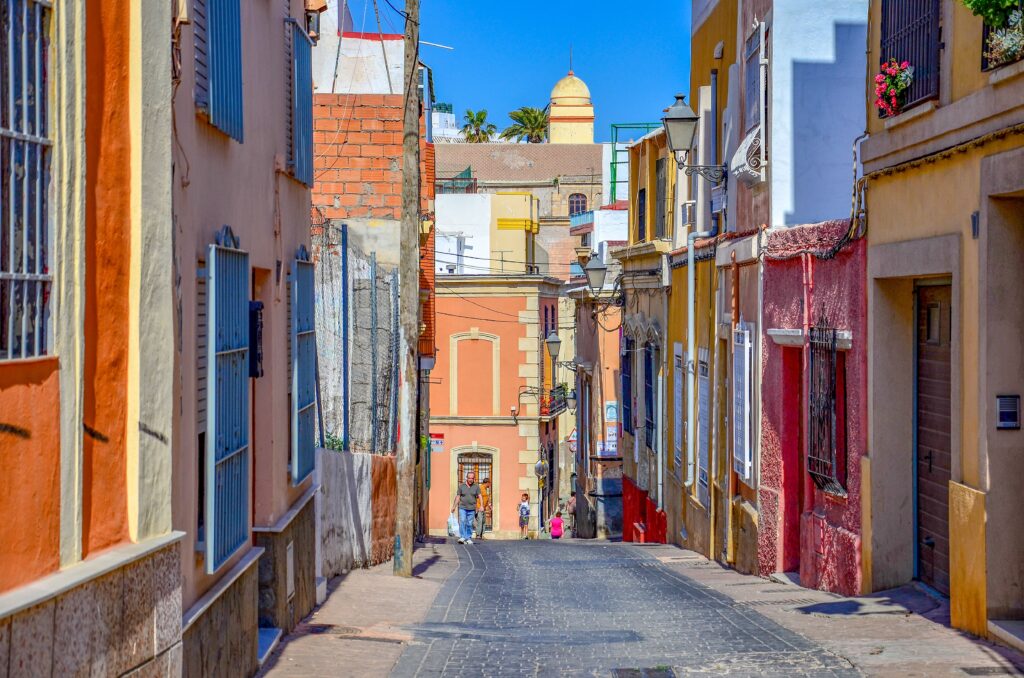
Spain is one of the most beautiful countries in Europe. It is famous for its historic cities, beautiful beaches, amazing architecture, delicious food, football, and lively culture.
Many people think that traveling to Spain is very expensive. However, with proper planning, you can enjoy Spain without spending too much money.
In this guide, we will discuss practical ways to travel Spain on a budget, including accommodation, transportation, food, sightseeing, and other daily expenses.
Table of Contents
1. Choose the Right Time to Visit Spain
One of the easiest ways to save money is to choose the right travel season.
Spain becomes more expensive during the peak summer months, especially in popular destinations such as Barcelona, Madrid, Mallorca, and Ibiza.
If you want to save money, consider traveling during the shoulder seasons, such as spring or autumn.
During these periods, you may find:
- Lower accommodation prices
- Fewer tourists
- Better availability
- Comfortable weather
- Cheaper flights in some cases
Winter can also be a good option for travelers who want to explore cities and are not mainly interested in beaches.
2. Book Your Flight Early
International flights can be one of the biggest expenses of a Spain trip.
Try to book your flight several weeks or months in advance instead of waiting until the last moment.
When searching for flights, compare different dates. Flying on a different day can sometimes make a significant difference in the price.
You can also compare flights to different Spanish airports.
For example, Madrid and Barcelona are major international gateways, while other cities may be useful depending on your itinerary.
Always check the baggage allowance before booking a cheap ticket. A low-cost flight can become expensive if you have to pay additional fees for luggage.
3. Stay in Budget Accommodation
Hotels in central areas of popular Spanish cities can be expensive.
Instead, compare different types of accommodation such as:
- Hostels
- Budget hotels
- Guesthouses
- Apartments
- Private rooms
- Family-run accommodation
If you are traveling alone, a hostel can be one of the cheapest options.
If you are traveling with family or friends, an apartment or private room may sometimes provide better value.
You do not always need to stay directly in the city center. Staying a little outside the main tourist area can reduce accommodation costs.
However, make sure your accommodation is close to public transportation.
4. Use Public Transportation
Spain has an extensive public transportation network.
In cities, you can use:
- Metro
- Buses
- Trains
- Trams
- Walking
Madrid and Barcelona have excellent public transportation systems.
For longer journeys between cities, compare train and bus prices before booking.
High-speed trains can save time, but they may cost more than slower trains or buses. Booking tickets in advance can sometimes help you get better prices.
5. Walk Whenever Possible
Walking is one of the best ways to save money while exploring Spain.
Many Spanish cities have historic centers where major attractions are relatively close to each other.
Walking also allows you to discover small streets, local shops, plazas, churches, markets, and neighborhoods that you might miss while traveling by car.
For example, instead of taking transportation for every short journey, consider walking if the destination is reasonably close.
This can save money and give you a better experience of the city.
6. Eat Like a Local
Food can become a major expense if you eat only at tourist restaurants.
One way to reduce your food budget is to eat where local people eat.
Look for:
- Local cafés
- Small restaurants
- Bakeries
- Markets
- Affordable lunch menus
- Tapas bars
Many restaurants offer a menú del día, which is a set lunch menu. It can be a good-value option because it often includes several courses and a drink.
You can also buy basic food from supermarkets and prepare simple meals if your accommodation has a kitchen.
7. Avoid Eating in the Most Tourist Areas
Restaurants directly beside famous attractions can sometimes charge higher prices.
Walk a few streets away from major tourist attractions and compare menus.
This does not mean that every restaurant in a tourist area is expensive. It simply means that checking prices before sitting down can help you avoid surprises.
Look at the menu and prices outside the restaurant first.
8. Take Advantage of Free Attractions
You do not have to pay for every activity in Spain.
Many cities offer free things to see and do.
You can enjoy:
- Historic neighborhoods
- Public squares
- Parks
- Beaches
- Street markets
- Churches
- Walking routes
- Viewpoints
- Local festivals
Some museums and attractions also offer free entry during specific hours or on certain days.
Check the official website of an attraction before visiting because free-entry rules can change.
9. Plan Your Itinerary Carefully
Trying to visit too many cities can increase your travel costs.
Every time you change cities, you may spend money on:
- Transportation
- Accommodation
- Food during travel
- Luggage storage
- Additional local transportation
Instead of rushing through Spain, choose a few destinations and explore them properly.
For example, a first-time traveler could plan a route such as:
Madrid → Seville → Granada → Barcelona
You can adjust the route according to your interests and budget.
10. Travel With a Budget
Before leaving for Spain, decide how much you can comfortably spend.
Create separate budgets for:
- Flights
- Accommodation
- Food
- Transportation
- Attractions
- Shopping
- Emergency expenses
Keep a small emergency reserve instead of spending your entire budget.
A daily spending limit can also help you control unnecessary expenses.
11. Be Careful With Tourist Traps
Popular tourist destinations sometimes have expensive services aimed at visitors.
Be careful with:
- Very expensive restaurants near attractions
- Unnecessary private transportation
- Overpriced souvenirs
- Unlicensed services
- Restaurants without clear prices
Research prices before paying for a service.
If something seems unusually expensive, compare another option.
12. Carry a Reusable Water Bottle
Buying bottled water repeatedly can increase your daily expenses.
Carry a reusable water bottle and refill it where safe and permitted.
Before traveling, check local guidance about drinking tap water in the specific destination you are visiting.
13. Avoid Unnecessary Taxi Rides
Taxis are convenient, but frequent taxi rides can quickly increase your travel budget.
Use public transportation whenever it is practical.
For short distances, walking can be even better.
Save taxis or ride-hailing services for situations where they are genuinely useful, such as late-night travel, heavy luggage, or locations that are difficult to reach by public transportation.
14. Travel Light
Some airlines charge extra for checked baggage.
Traveling with only the luggage you actually need can help reduce these additional costs.
Make a packing list before your trip and avoid carrying unnecessary items.
Traveling light can also make train and bus journeys easier.
15. Buy Tickets From Official Sources
For popular attractions, trains, and other activities, check the official website first.
This can help you understand the actual price and avoid unnecessary third-party fees.
It can also help you avoid unofficial sellers.
Always check cancellation and refund conditions before purchasing.
16. Use Travel Apps and Maps
Travel apps can make budget travel easier.
Use maps to find:
- Public transportation
- Supermarkets
- Affordable restaurants
- Attractions
- Walking routes
- Nearby services
Download important maps and travel information before leaving your accommodation if you expect to have limited internet access.
17. Set a Daily Budget
A simple daily budget can make a big difference.
For example, divide your available spending money into categories:
Food + local transport + sightseeing + small purchases
You do not have to spend the same amount every day.
You might spend more on a day when you visit a major attraction and less on a day when you mostly walk around the city.
18. Consider Traveling During the Shoulder Season
Spring and autumn can be excellent periods for budget-conscious travelers.
The weather can be pleasant in many parts of Spain, while tourist demand may be lower than during the busiest summer period.
However, prices vary by destination and dates, so compare actual flight and accommodation prices before making your decision.
Spain Budget Travel Example
Your total cost will depend heavily on your travel dates, accommodation style, flight prices, and the number of cities you visit.
A budget traveler should think about the trip in categories rather than expecting one fixed price.
For example:
International flight
↓
Accommodation
↓
Food
↓
Local transportation
↓
Intercity transportation
↓
Attractions
↓
Shopping and other expenses
This approach makes it easier to identify where you can save money.
Tips for Indian Travelers Visiting Spain
If you are traveling from India, international flights and accommodation will usually make up a large part of the total trip cost.
Before traveling, Indian tourists should carefully check the current visa requirements, travel insurance requirements, passport validity, and other entry conditions.
It is also useful to plan your accommodation and major transportation before departure.
Indian travelers who enjoy familiar food can also search for Indian restaurants in the cities they visit. However, eating local Spanish food occasionally can be an important part of experiencing the country.
Final Thoughts
Traveling to Spain does not have to mean spending a huge amount of money.
The biggest savings usually come from choosing the right travel dates, booking accommodation carefully, using public transportation, eating at reasonably priced local places, walking, and planning your itinerary properly.
You do not need to visit every famous attraction or stay in the most expensive hotel to enjoy Spain.
A well-planned budget trip can still give you the opportunity to experience Spain’s history, culture, architecture, food, beaches, and beautiful cities.
Contact Information
- Website: ozabooking.net
- Partner Website: Oza Digital Services
- Email: ozadigicare@gmail.com
- Author: Sandhya Kashyap