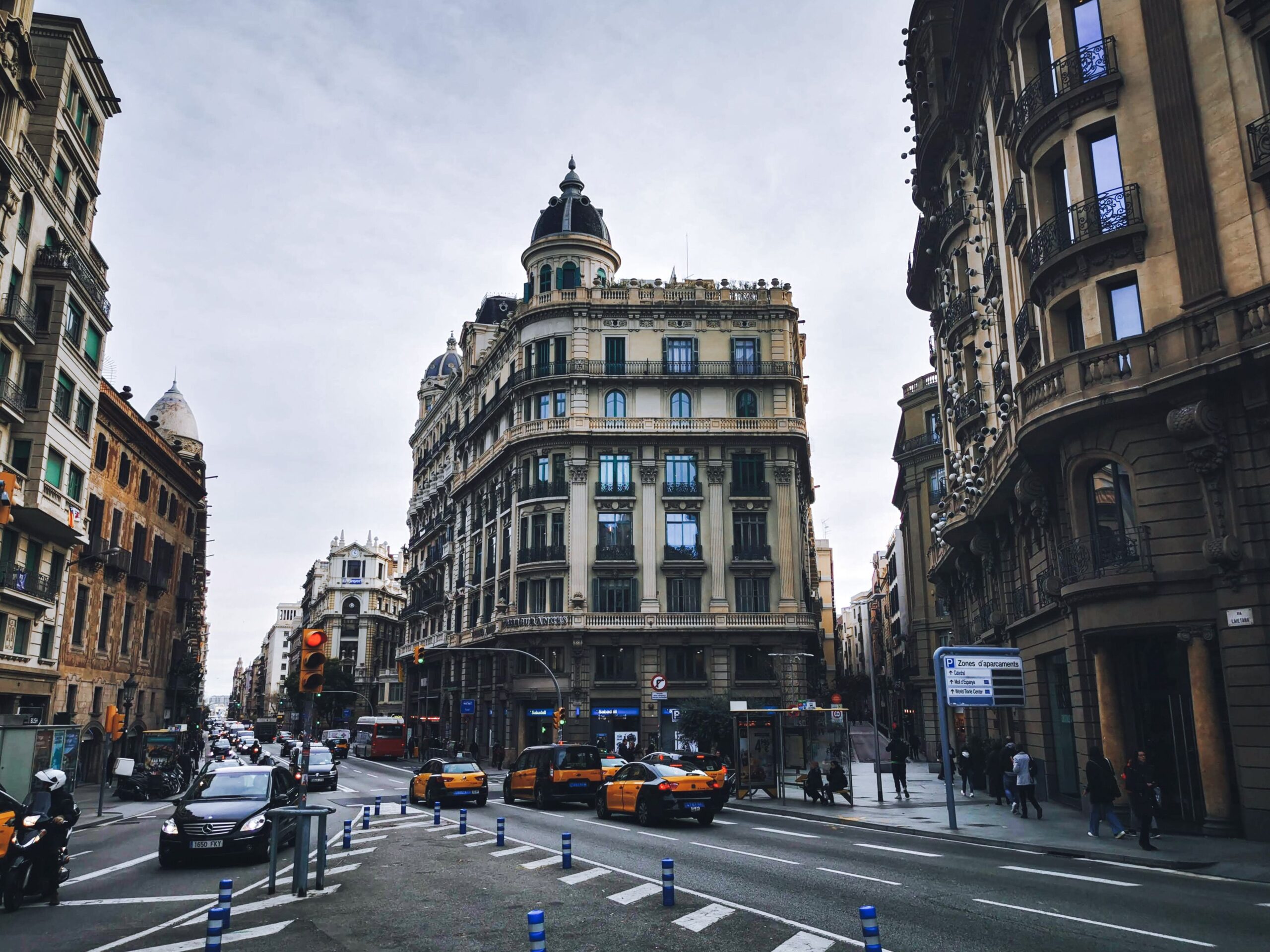
Best Places to Visit in Spain in 2026: 25 Must-See Attractions
Spain is one of Europe’s most exciting travel destinations, offering a remarkable combination of historic cities, beautiful beaches, impressive architecture, delicious food, vibrant festivals and stunning natural landscapes. From the artistic streets of Barcelona and the grand avenues of Madrid to the historic cities of Seville and Granada, Spain offers experiences for almost every type of traveller.
Spain remains one of the world’s major tourism destinations. International visitor numbers have remained exceptionally strong, while 2026 is expected to bring another year of high tourism demand. Spain’s tourism industry is also seeing strong visitor spending, making the country an attractive destination for both travellers and travel businesses.
If you are planning a trip to Spain in 2026, here are 25 must-see places and attractions to add to your travel list.
1. Barcelona
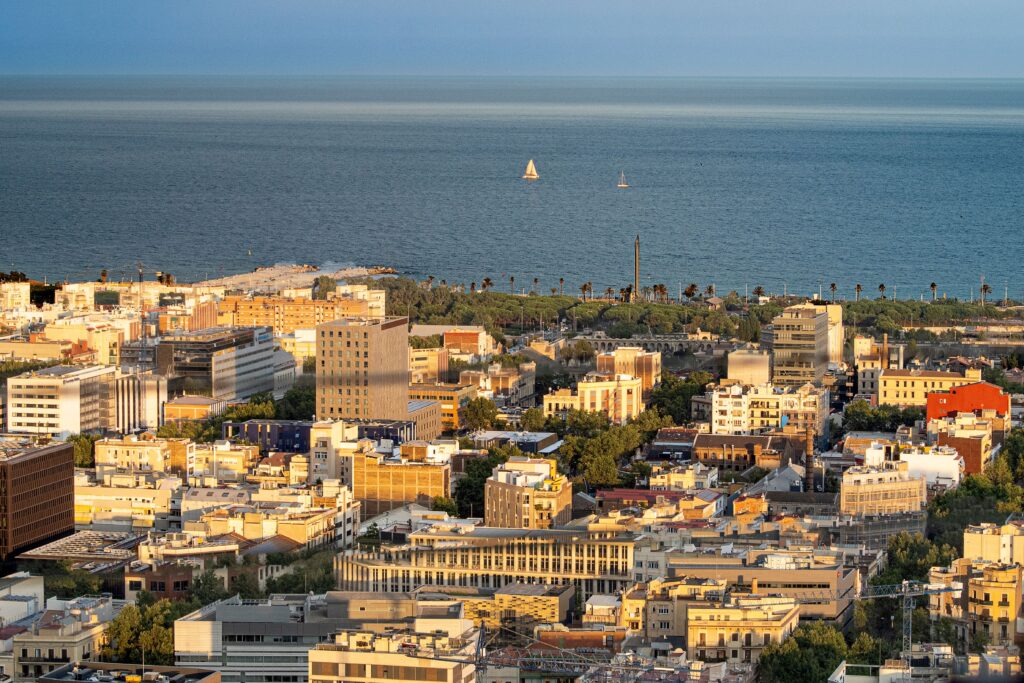
Barcelona is one of Spain’s most famous cities and an excellent starting point for first-time visitors.
The city is known for its unique architecture, Mediterranean atmosphere, beaches, museums, restaurants and lively neighbourhoods. Antoni Gaudí’s architectural masterpieces are among the biggest reasons travellers visit Barcelona.
Do not miss the Gothic Quarter, La Rambla, Park Güell, Sagrada Família and the waterfront.
Best for: Architecture, culture, food, beaches and city breaks.
2. Sagrada Família, Barcelona
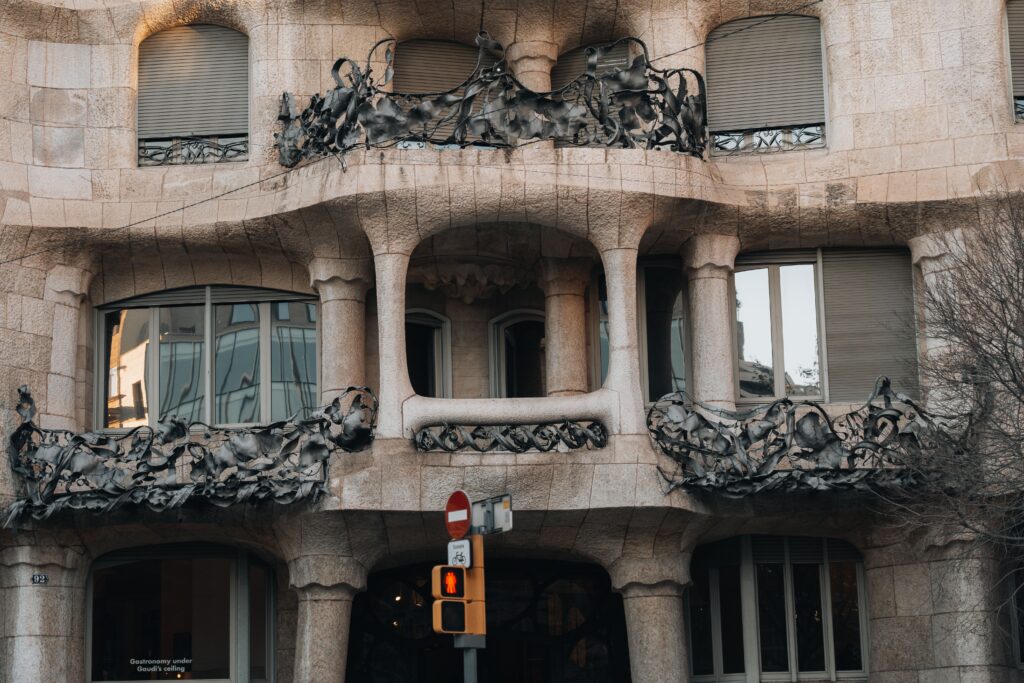
The Sagrada Família is Barcelona’s most iconic landmark.
Designed by Antoni Gaudí, the enormous basilica is famous for its unusual architecture, detailed façades and spectacular interior.
It is one of the attractions you should book ahead of time, particularly during busy travel periods.
Best for: Architecture, photography and culture.
3. Park Güell, Barcelona
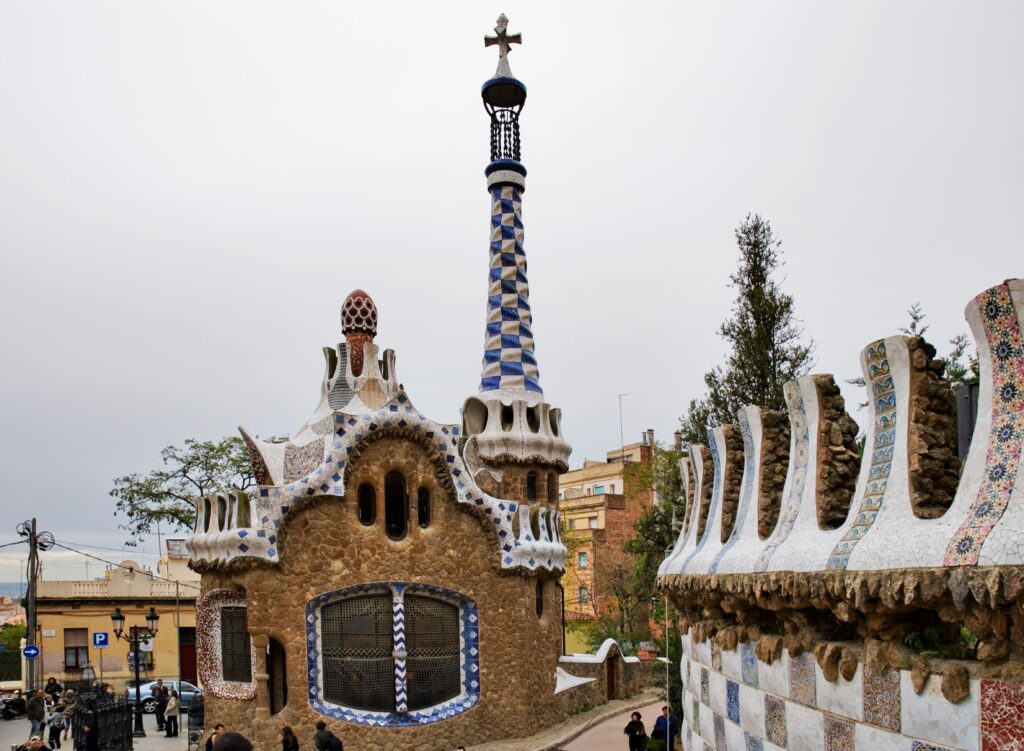
Park Güell is another famous Gaudí attraction.
The park combines gardens, colourful architectural details, unusual structures and panoramic views over Barcelona.
Its distinctive design makes it one of the most photographed places in the city.
Best for: Photography, architecture and families.
4. Madrid
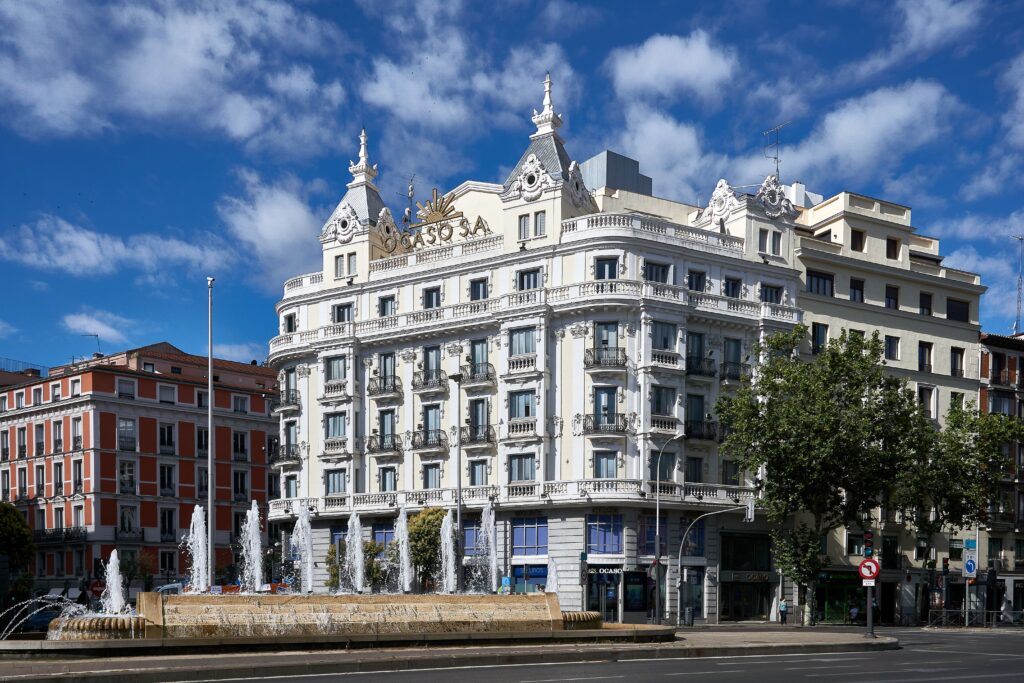
Madrid is Spain’s capital and one of Europe’s most important cultural cities.
The city offers world-class museums, historic buildings, parks, shopping streets, restaurants and nightlife.
The Prado Museum, Royal Palace, Retiro Park and Plaza Mayor are among the highlights.
Spain’s official tourism website lists Madrid as one of the country’s leading destinations.
Best for: Art, history, food, shopping and nightlife.
5. Royal Palace of Madrid
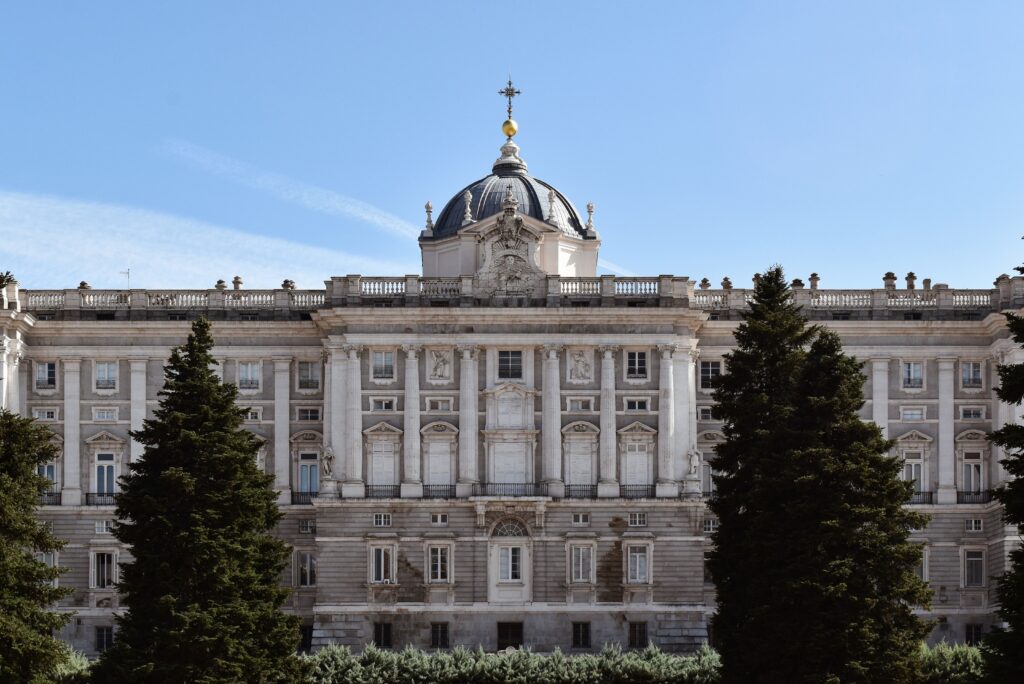
The Royal Palace is one of Madrid’s most impressive historic landmarks.
The enormous complex contains grand rooms, historic collections and beautiful architectural details.
Its central location makes it easy to combine with other Madrid attractions.
Best for: History, architecture and culture.
6. Seville
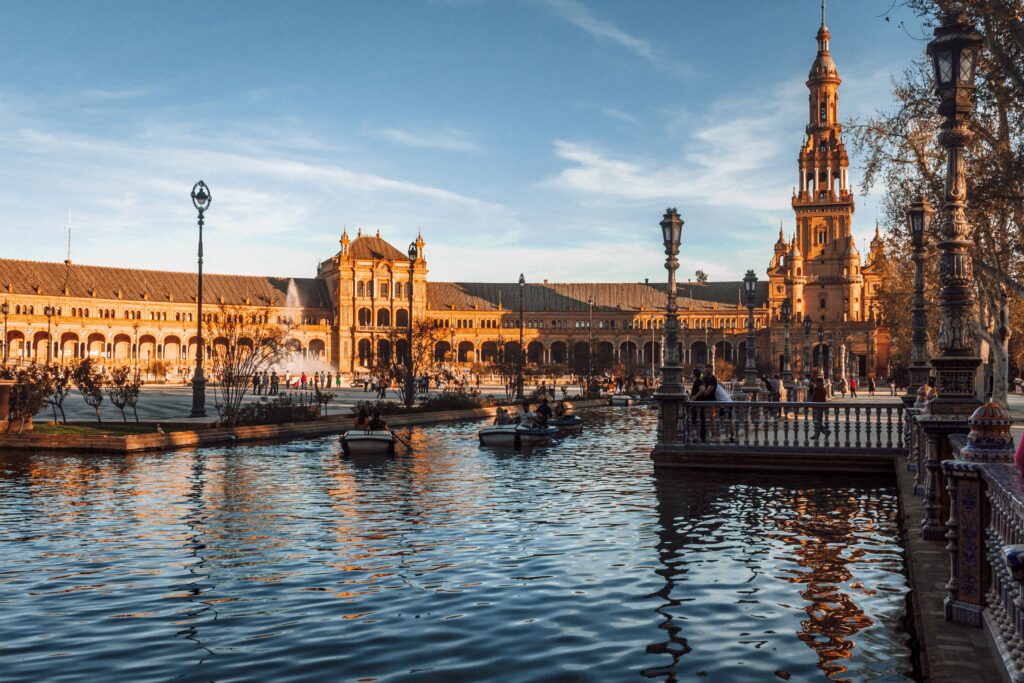
Seville is the capital of Andalusia and one of Spain’s most atmospheric cities.
The city is famous for its historic architecture, orange-tree-lined streets, flamenco culture, traditional food and lively plazas.
The Cathedral, Giralda and Royal Alcázar are among its most important attractions.
Best for: Culture, history, food and couples.
7. Royal Alcázar of Seville
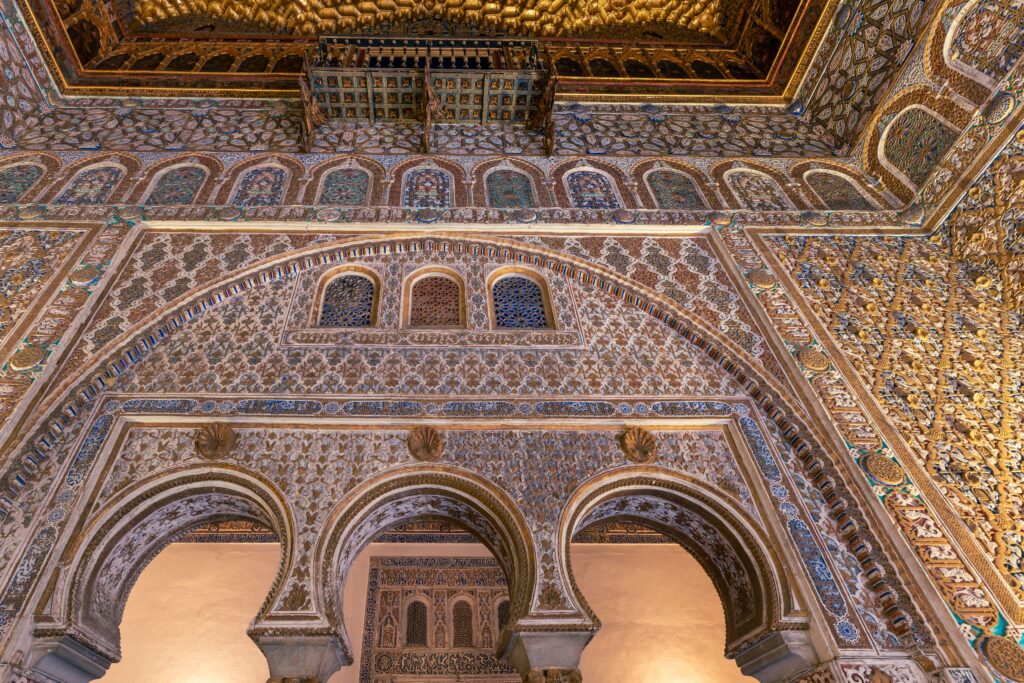
The Royal Alcázar is one of Seville’s most beautiful attractions.
The palace complex combines different architectural influences and features elaborate rooms, courtyards and gardens.
It is a must-see for travellers interested in Spanish history and architecture.
Best for: Architecture, history and photography.
8. Granada
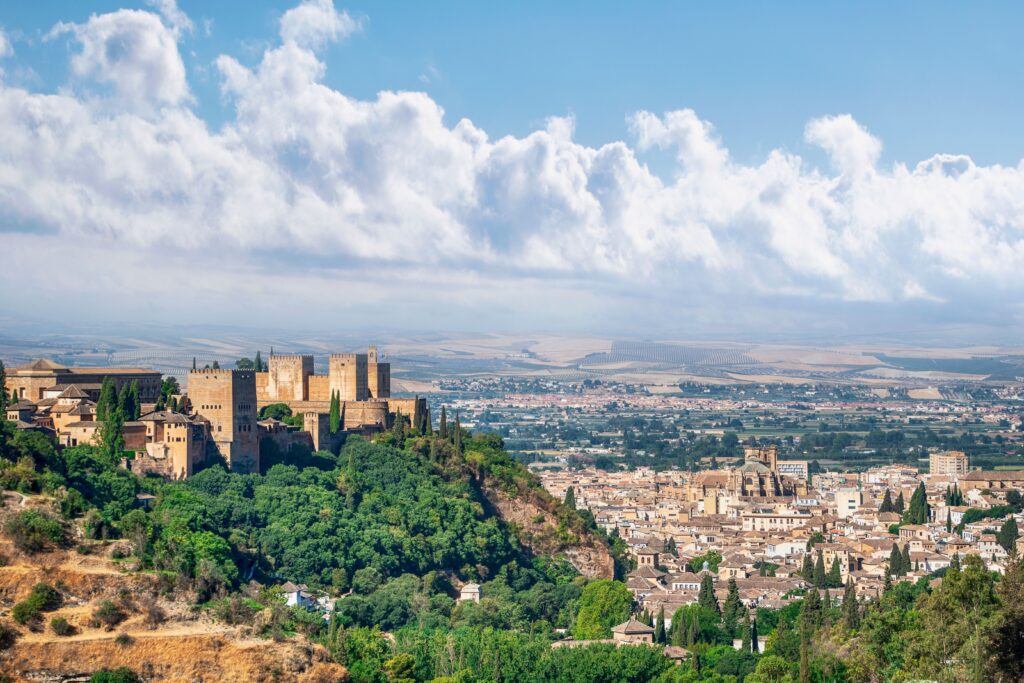
Granada is one of the most fascinating cities in southern Spain.
Its most famous attraction is the Alhambra, but the city also offers historic neighbourhoods, viewpoints, traditional restaurants and beautiful mountain scenery.
The Albaicín district is particularly atmospheric.
Best for: History, architecture, culture and photography.
9. Alhambra, Granada
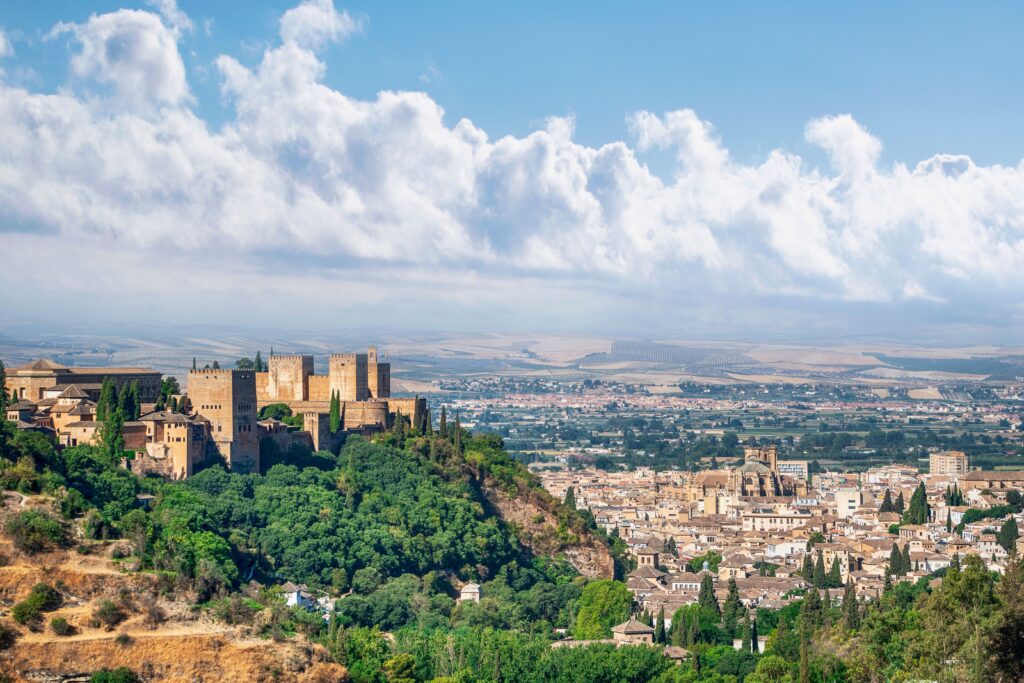
The Alhambra is one of Spain’s most famous historic monuments.
The complex includes palaces, courtyards, gardens and fortifications overlooking Granada.
Its combination of Islamic and Spanish history makes it one of the country’s most important cultural attractions.
Because visitor numbers can be controlled, booking tickets in advance is highly recommended.
Best for: History, architecture and photography.
10. Valencia
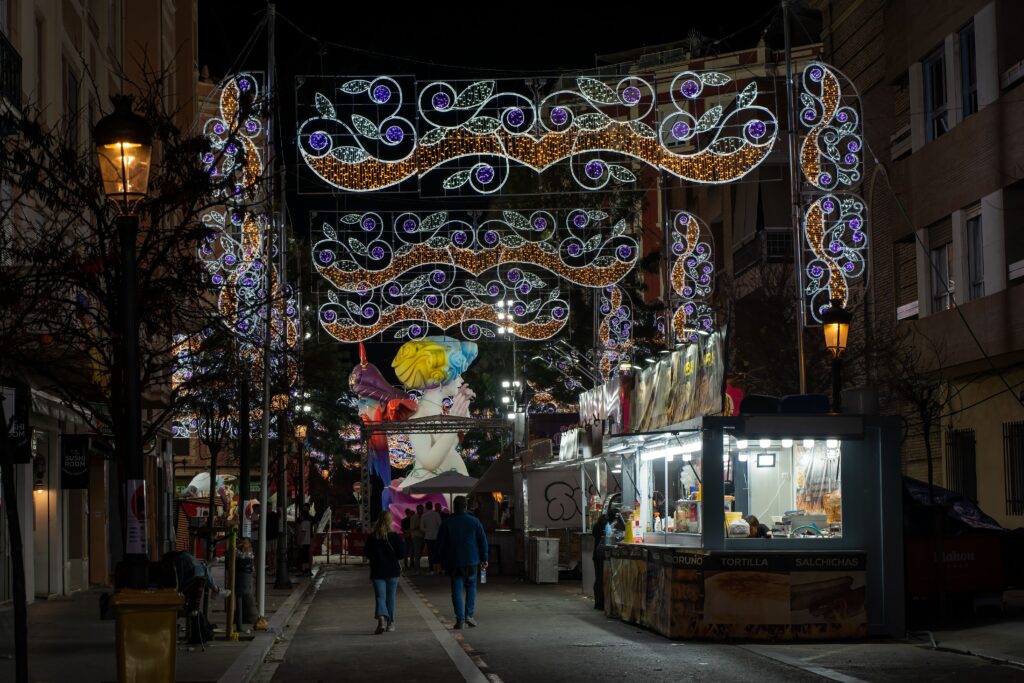
Valencia offers a combination of historic streets, Mediterranean beaches, modern architecture and excellent food.
The City of Arts and Sciences is one of its most recognisable attractions, while the historic centre provides a very different atmosphere.
Valencia is also famous for paella, which originated in the region.
Spain’s official tourism site describes Valencia as a major Mediterranean destination and highlights the City of Arts and Sciences and Oceanogràfic.
Best for: Families, beaches, food and architecture.
11. City of Arts and Sciences, Valencia
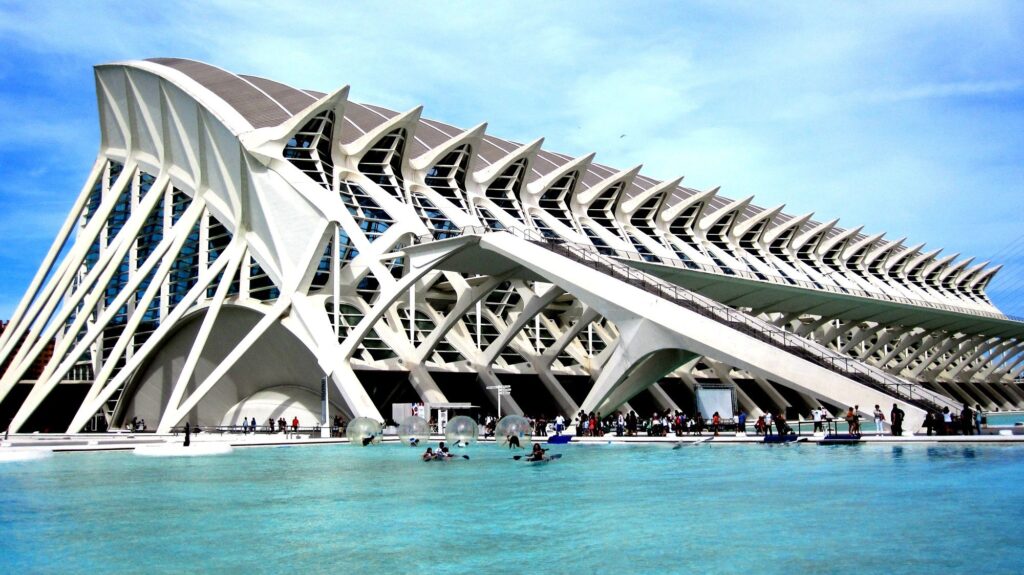
The City of Arts and Sciences is a futuristic architectural complex in Valencia.
Its striking buildings house museums, cultural spaces and the Oceanogràfic aquarium.
The unusual architecture makes it an excellent destination for photography.
Best for: Families, science, architecture and photography.
12. Málaga
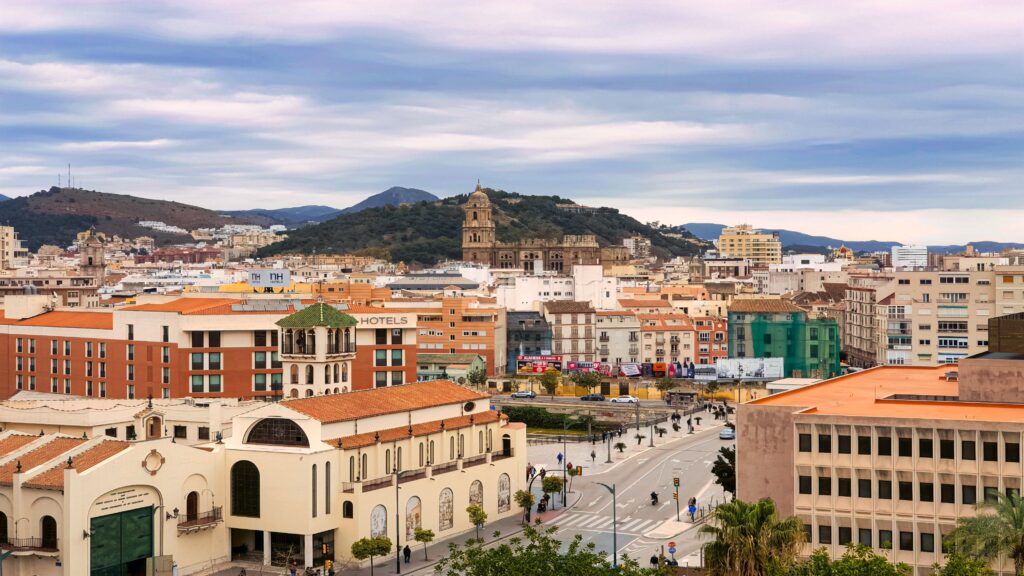
Málaga is located on Spain’s Costa del Sol and is an increasingly popular destination for international travellers.
The city combines beaches, museums, historic landmarks, restaurants and a pleasant Mediterranean atmosphere.
It can also serve as a base for exploring other parts of Andalusia.
Best for: Beaches, culture, food and city breaks.
13. Costa del Sol
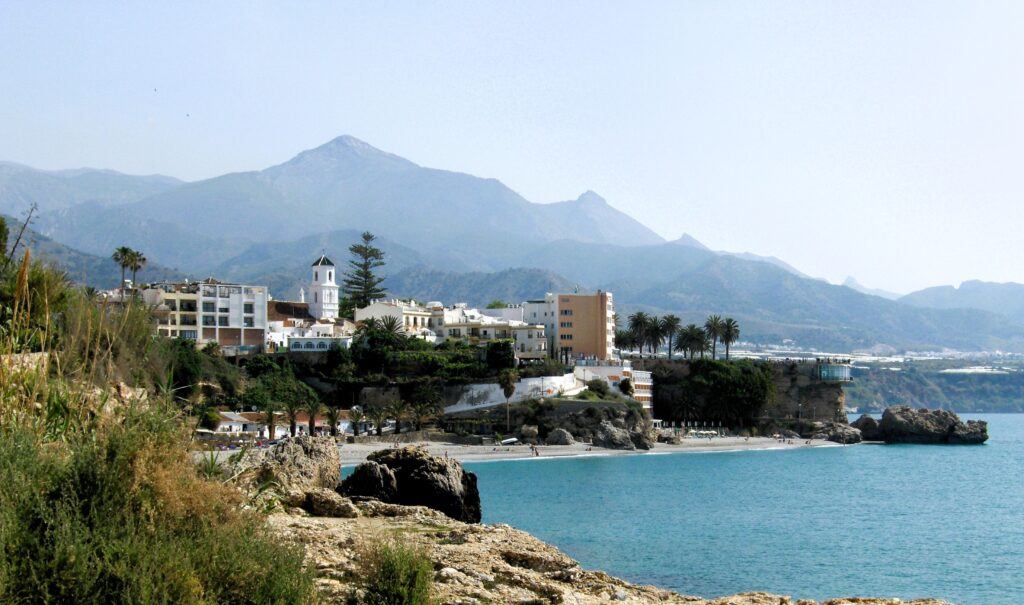
Costa del Sol is one of Spain’s best-known coastal regions.
It includes popular destinations such as Málaga, Marbella and Nerja.
Travellers can enjoy beaches, resorts, restaurants, water activities and Mediterranean scenery.
Best for: Beach holidays, families and luxury travel.
14. Mallorca
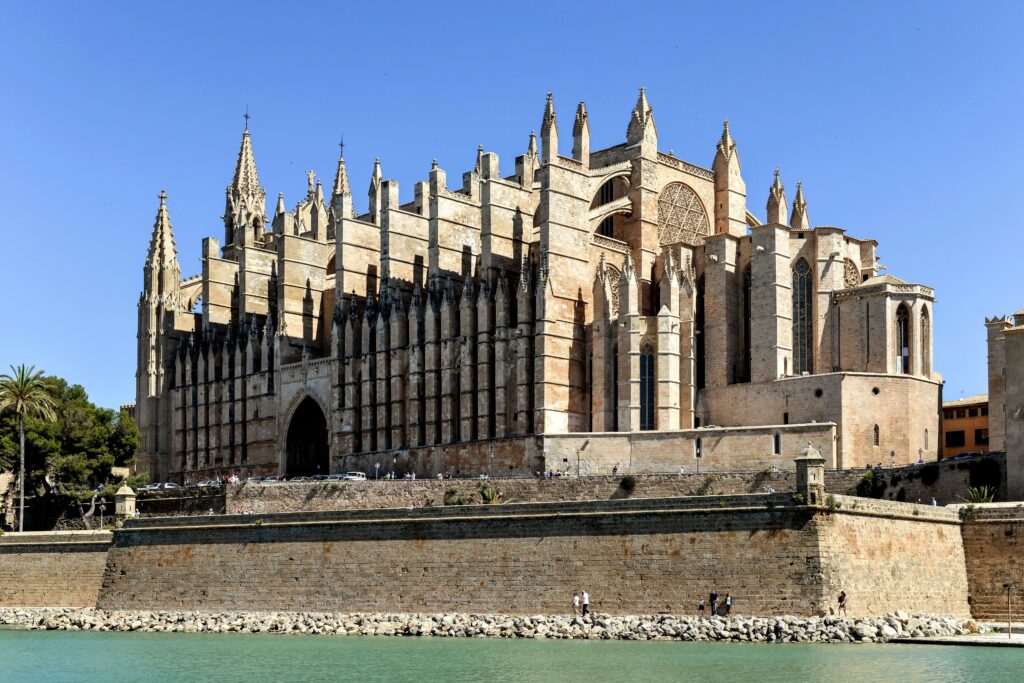
Mallorca is one of the most popular islands in Spain’s Balearic Islands.
The island offers beautiful beaches, mountain scenery, historic towns, resorts and excellent Mediterranean food.
Palma, the island’s capital, is a good starting point for exploring the region.
Spain’s official tourism website highlights the Balearic Islands among the country’s major destinations.
Best for: Beaches, couples, families and road trips.
15. Palma de Mallorca
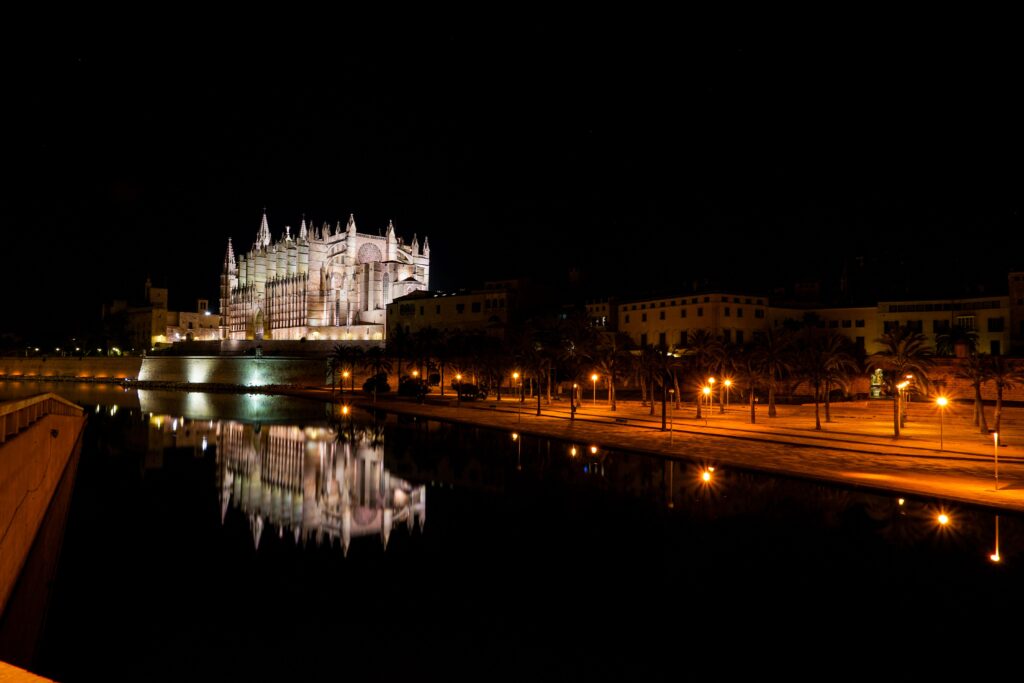
Palma is the capital of Mallorca and one of the island’s most attractive cities.
The city is known for its cathedral, old town, waterfront and restaurants.
It is an excellent destination for travellers who want to combine a city break with a Mediterranean holiday.
Best for: Architecture, beaches, food and couples.
16. Ibiza
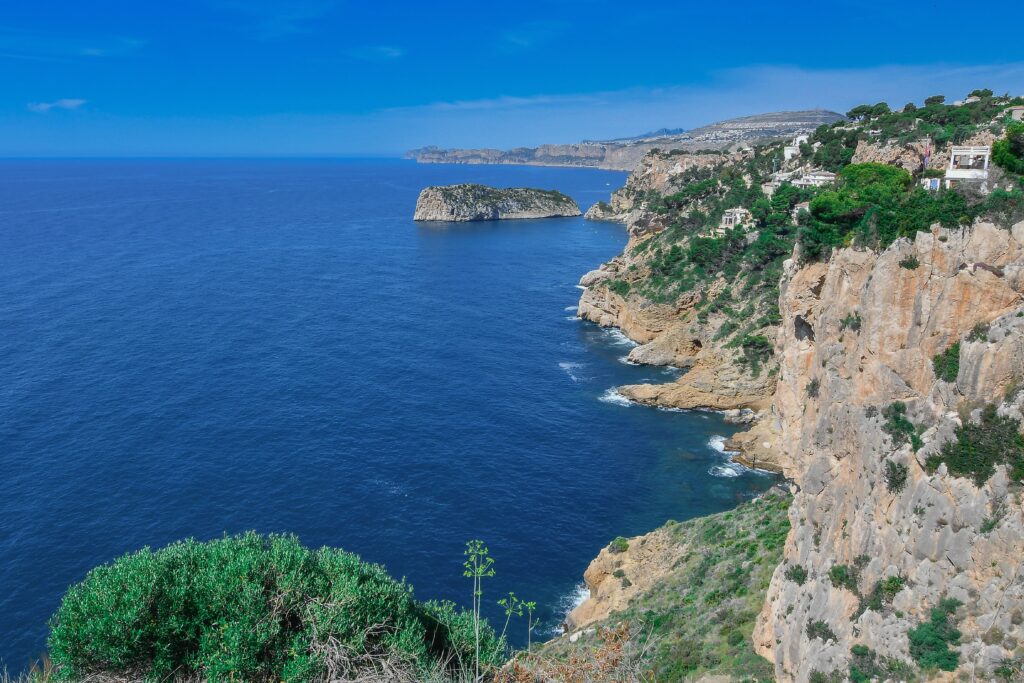
Ibiza is internationally famous for nightlife, but there is much more to the island than clubs.
Visitors can discover beaches, small villages, Mediterranean landscapes and beautiful sunset locations.
It is a particularly popular destination during the summer.
Best for: Nightlife, beaches, couples and luxury travel.
17. Tenerife
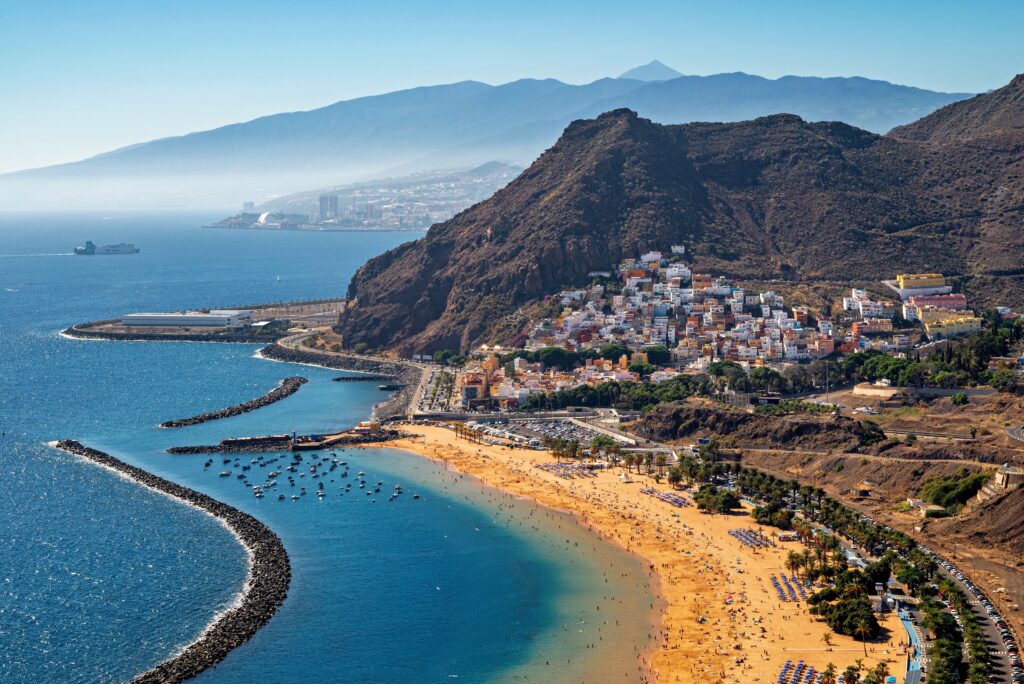
Tenerife is the largest of Spain’s Canary Islands and offers volcanic landscapes, beaches and outdoor adventures.
Mount Teide is the island’s most famous natural attraction.
The island’s diverse landscape makes it suitable for both relaxation and adventure.
Best for: Nature, beaches, hiking and families.
18. Mount Teide, Tenerife
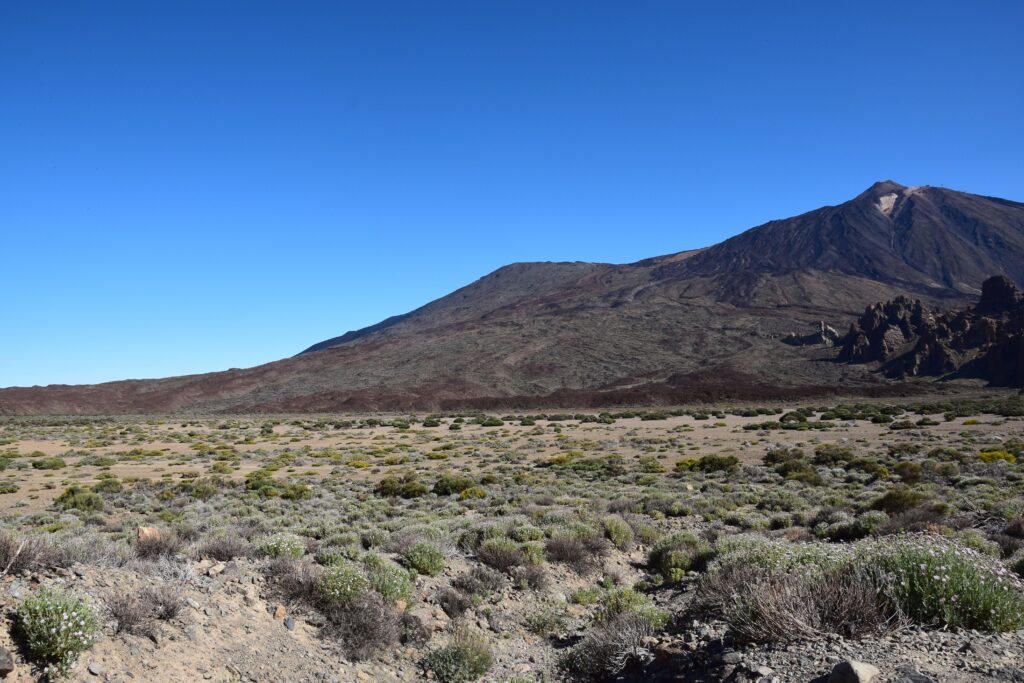
Mount Teide is Spain’s highest peak and one of the most spectacular natural landmarks in the country.
The surrounding national park offers volcanic landscapes that look very different from mainland Spain.
Visitors should check current conditions and access information before planning a trip to higher elevations.
Best for: Nature, hiking, photography and adventure.
19. Bilbao
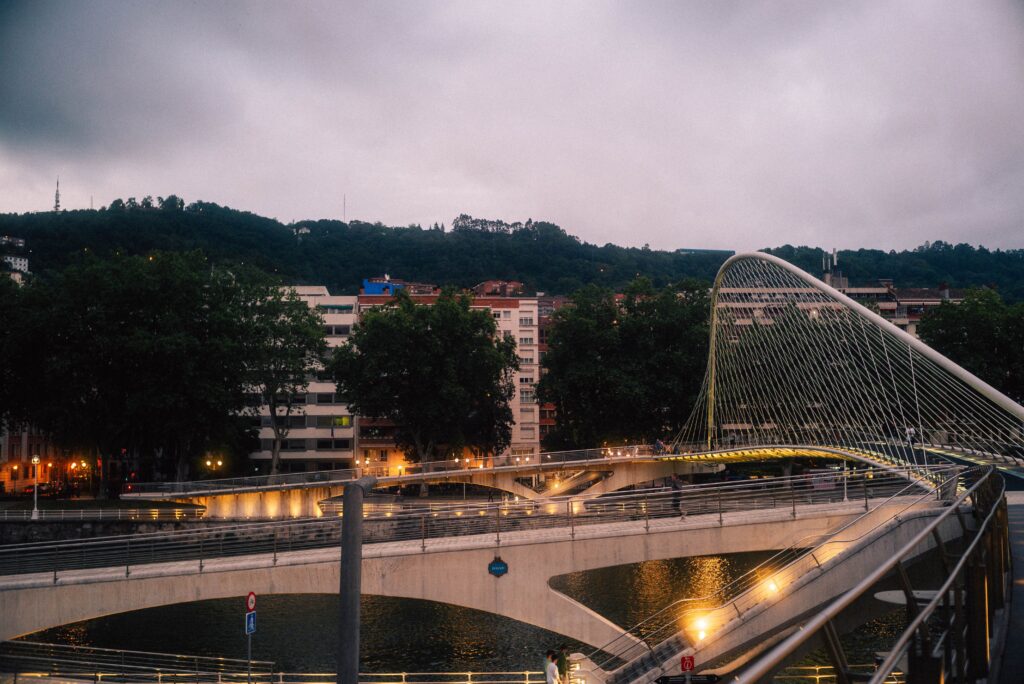
Bilbao is one of northern Spain’s most interesting cities.
It combines modern architecture, excellent food, museums and Basque culture.
The Guggenheim Museum is the city’s best-known landmark.
Spain’s tourism authorities highlight Bilbao as one of the country’s major destinations.
Best for: Art, architecture, food and culture.
20. San Sebastián
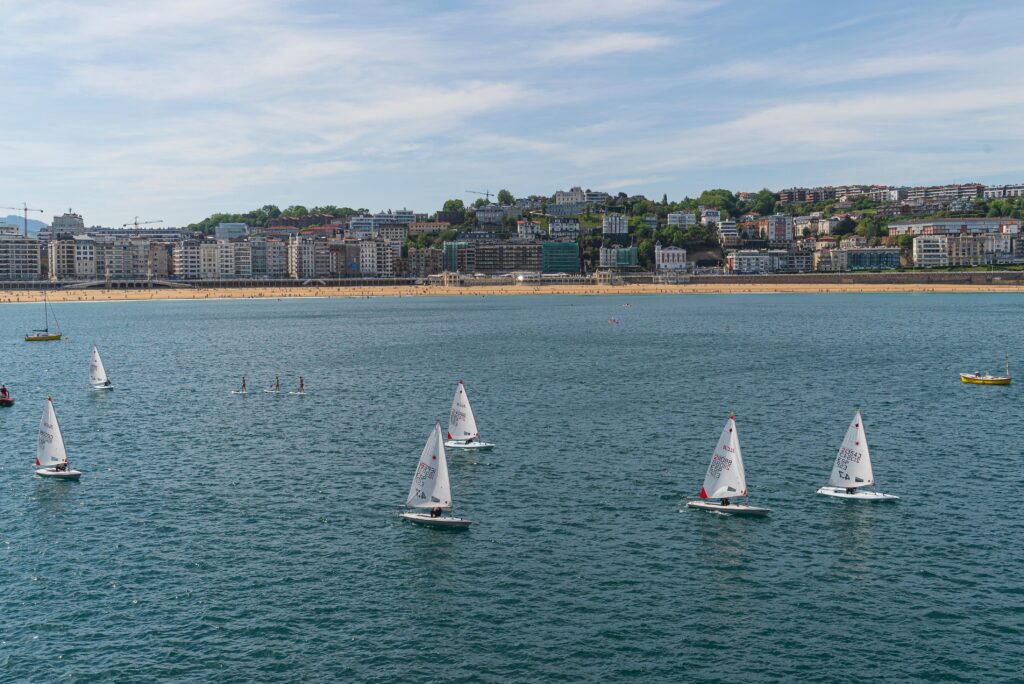
San Sebastián is a beautiful coastal city in the Basque Country.
It is famous for its beaches, elegant waterfront, old town and outstanding food scene.
The city is particularly attractive to travellers who enjoy gastronomy.
Best for: Food, beaches, couples and culture.
21. Córdoba
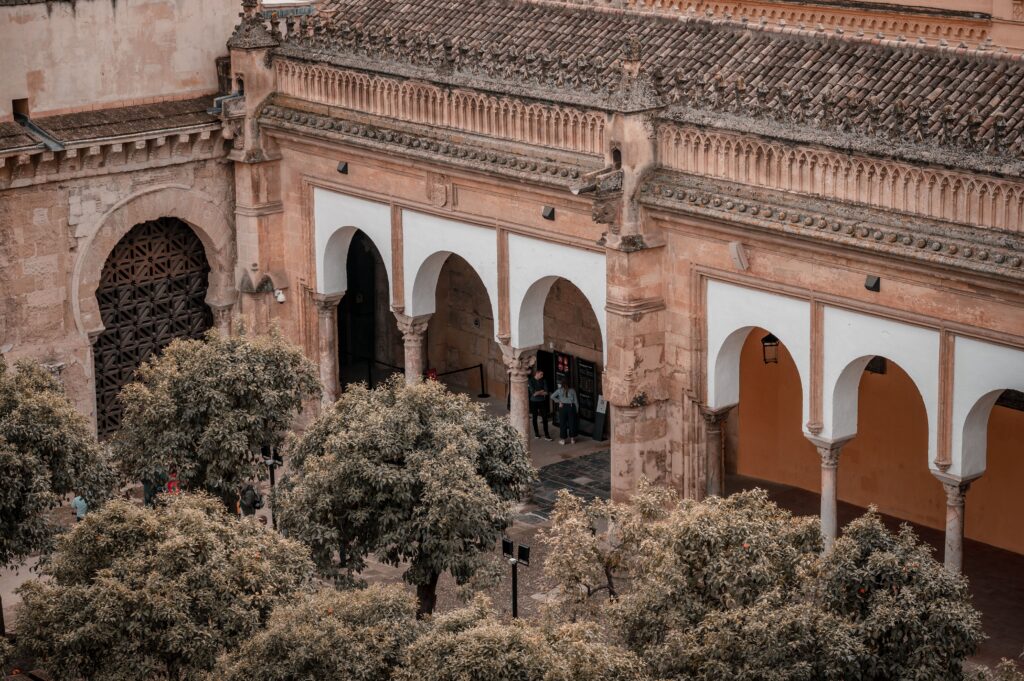
Córdoba is one of Andalusia’s most historically important cities.
The Mezquita-Catedral is its most famous attraction, while the old town features narrow streets, courtyards and traditional architecture.
The city is ideal for travellers interested in Spain’s multicultural history.
Best for: History, architecture and culture.
22. Santiago de Compostela
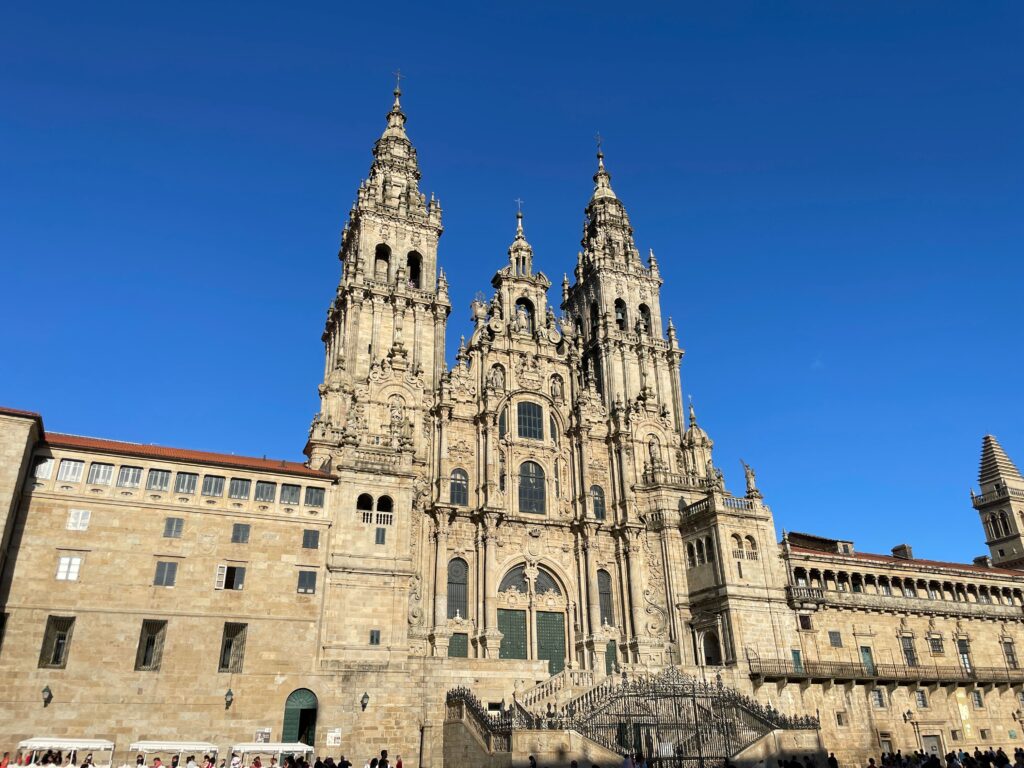
Santiago de Compostela is famous as the final destination of the Camino de Santiago pilgrimage route.
Its historic centre and cathedral attract pilgrims and tourists from around the world.
Even visitors who are not completing the pilgrimage can enjoy the city’s architecture and atmosphere.
Spain’s official tourism site lists Santiago de Compostela among its leading destinations.
Best for: History, culture, walking and religious heritage.
23. Ronda
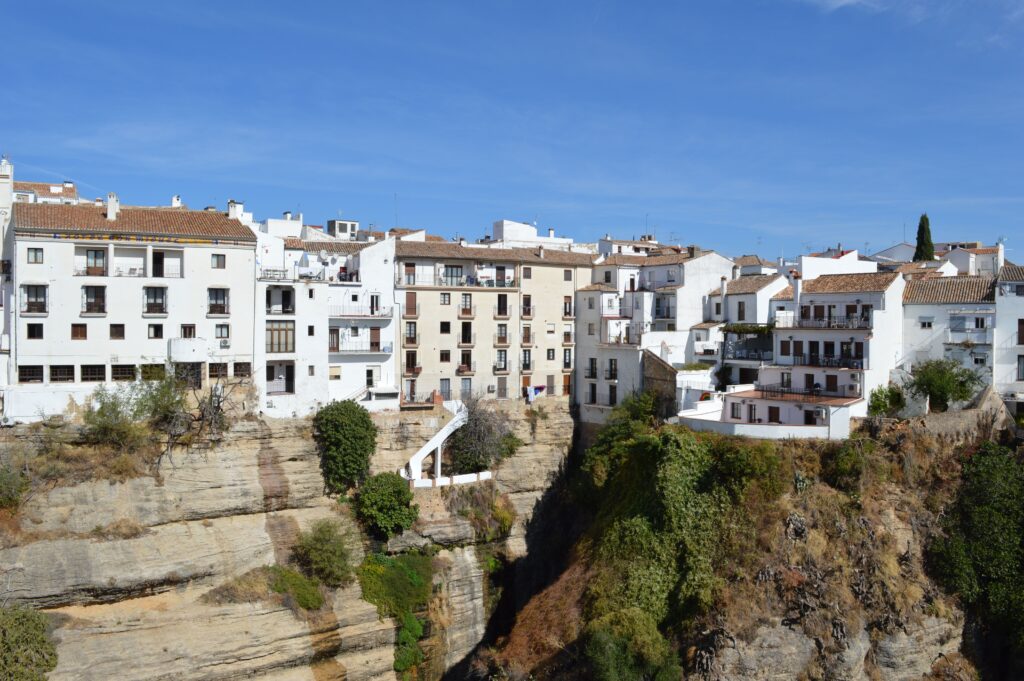
Ronda is a spectacular hilltop town in Andalusia.
It is famous for its dramatic location above a deep gorge and its historic bridge.
The surrounding countryside also provides beautiful viewpoints and opportunities for photography.
Best for: Couples, photography, history and road trips.
24. Costa Brava
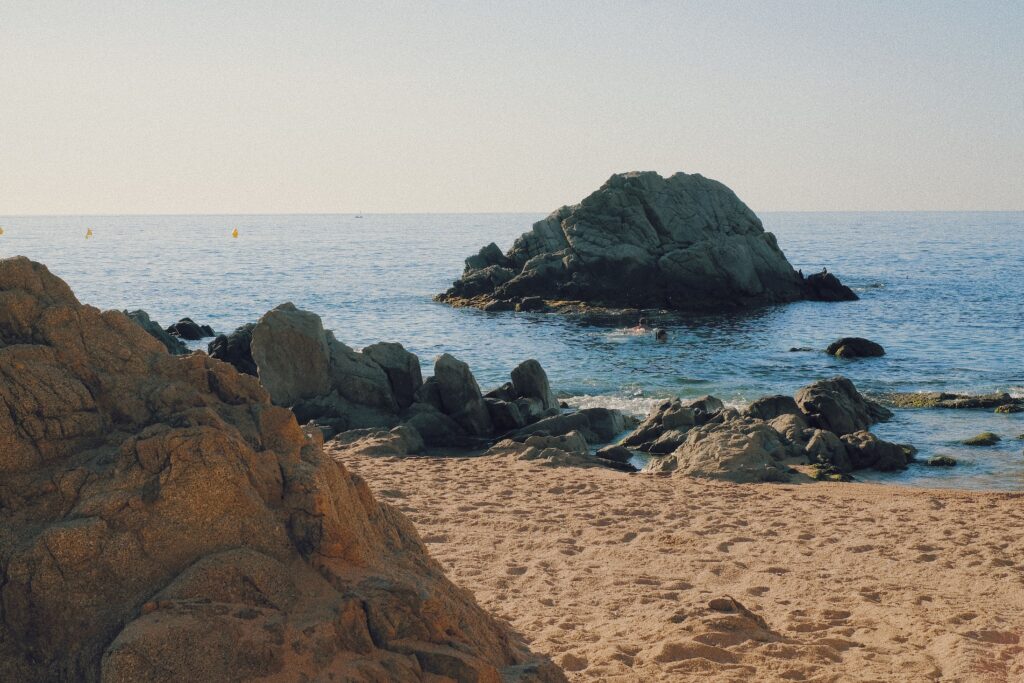
Costa Brava stretches along northeastern Spain and is famous for dramatic coastlines, beaches, small villages and Mediterranean scenery.
It is a great option for travellers who want to explore beyond Barcelona.
The region offers opportunities for swimming, hiking, photography and coastal road trips.
Best for: Beaches, nature, couples and road trips.
25. Canary Islands
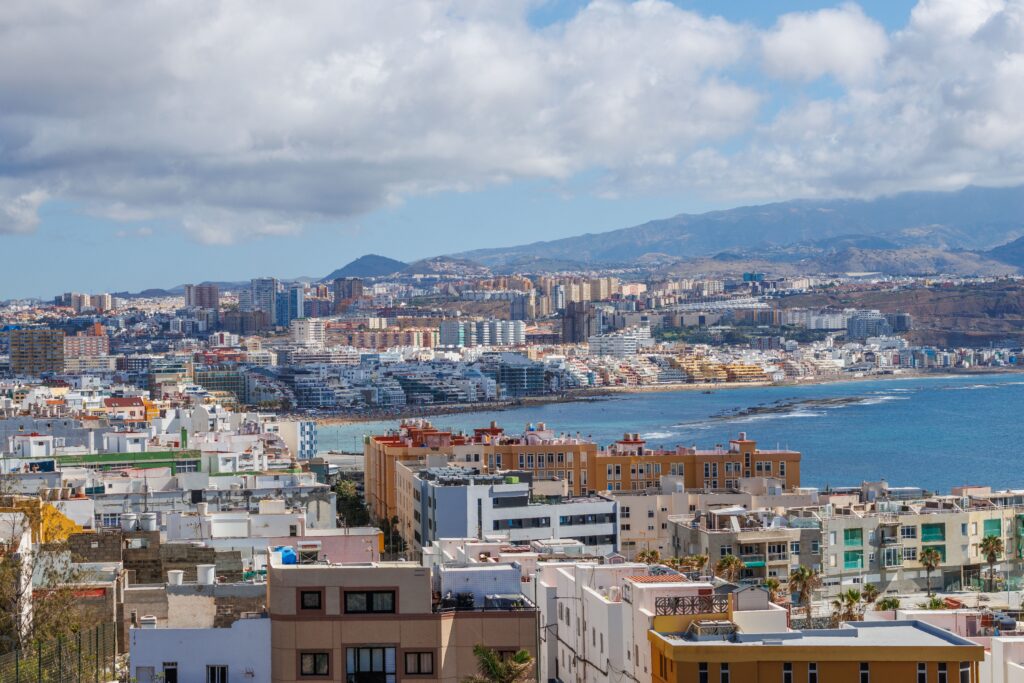
The Canary Islands offer some of Spain’s most diverse landscapes.
The archipelago includes Tenerife, Gran Canaria, Lanzarote, Fuerteventura and several smaller islands.
Travellers can enjoy beaches, volcanic landscapes, hiking, water sports and year-round outdoor activities.
Best for: Beaches, nature, adventure and winter sun.
Best Places to Visit in Spain by Traveller Type
| Traveller Type | Best Places |
|---|---|
| First-time visitors | Barcelona, Madrid, Seville |
| History lovers | Granada, Córdoba, Madrid, Seville |
| Beach lovers | Mallorca, Costa del Sol, Canary Islands |
| Couples | Seville, Mallorca, Ronda, San Sebastián |
| Families | Valencia, Tenerife, Barcelona |
| Food lovers | San Sebastián, Valencia, Madrid, Barcelona |
| Art lovers | Madrid, Bilbao, Barcelona |
| Nature lovers | Tenerife, Costa Brava, Canary Islands |
| Nightlife | Ibiza, Barcelona, Madrid |
| Road trips | Mallorca, Costa Brava, Andalusia |
Best Time to Visit Spain
Spain can be visited throughout the year, but the best season depends on your destination and travel style.
Spring
Spring is one of the best seasons for city sightseeing. Temperatures are generally comfortable, and many parts of the country become especially attractive because of flowers and festivals.
Summer
Summer is ideal for beach holidays, especially in Mallorca, Ibiza, Costa del Sol, Costa Brava and the Canary Islands.
However, some inland cities can become very hot during July and August.
Autumn
Autumn is excellent for exploring cities such as Madrid, Barcelona, Seville and Granada.
It can also be a good season for food, cultural and countryside trips.
Winter
Winter is a good option for travellers who want fewer crowds in many cities or want to visit the Canary Islands for warmer weather.
Before travelling, check Spain’s official tourism information for current weather, opening times and public holidays.
How Many Days Do You Need in Spain?
For a first trip, 7–10 days can provide a good introduction to Spain.
7-Day Spain Itinerary
Day 1: Madrid
Day 2: Madrid
Day 3: Madrid → Barcelona
Day 4: Barcelona
Day 5: Barcelona
Day 6: Barcelona → Seville
Day 7: Seville
For a more relaxed holiday, consider 10–14 days.
A longer itinerary could include:
Madrid → Barcelona → Valencia → Granada → Seville → Málaga
Travellers interested in beaches can replace some city days with Mallorca, Costa del Sol or the Canary Islands.
Spain Travel Tips for 2026
Book major attractions in advance when possible, particularly during peak travel periods.
Spain has an extensive rail network, making train travel between major cities a convenient option.
Try regional food rather than eating only international cuisine. Paella, tapas, tortilla española, jamón and regional seafood are popular choices.
If you visit major cities during summer, plan outdoor sightseeing for the morning or evening when temperatures are more comfortable.
Keep an eye on local regulations related to accommodation, tourist access and major attractions, as popular destinations continue to manage tourism pressure.
Spain’s official tourism website provides current information about destinations, transportation, weather, entry requirements, opening times and travel planning.
Final Thoughts
Spain is much more than Barcelona and Madrid. The country offers an extraordinary variety of experiences, from the architectural wonders of Barcelona and the museums of Madrid to the historic palaces of Seville and Granada.
For beach lovers, Mallorca, Ibiza, Costa del Sol, Costa Brava and the Canary Islands offer excellent choices. For history and culture, Córdoba, Seville, Santiago de Compostela and Bilbao provide completely different experiences.
For a first trip to Spain in 2026, a strong itinerary would be:
Madrid → Barcelona → Seville → Granada
If you have more time, add Valencia, Málaga, Mallorca, Bilbao or the Canary Islands.
Spain’s combination of history, architecture, food, beaches, culture and natural beauty makes it one of Europe’s strongest destinations for both first-time visitors and repeat travellers.
Contact Information
- Website: ozabooking.net
- Partner Website: Oza Digital Services
- Email: ozadigicare@gmail.com
- Author: Sandhya Kashyap