Best Places to Visit in Japan in 2026: 25 Must-See Attractions
Japan is one of the world’s most fascinating travel destinations, combining ancient temples, futuristic cities, beautiful mountains, traditional villages, world-class food and unique cultural experiences. From the neon streets of Tokyo to the peaceful temples of Kyoto and the snow-covered landscapes of Hokkaido, Japan offers something for almost every traveller.
The official Japan National Tourism Organization (JNTO) highlights destinations and experiences across Tokyo, Kyoto, Osaka, Hiroshima, Hokkaido and many lesser-known regions, making Japan much more than a Tokyo–Kyoto–Osaka trip. (Japan Travel)
If you are planning a trip to Japan in 2026, here are 25 must-see places and attractions to add to your itinerary.
1. Tokyo
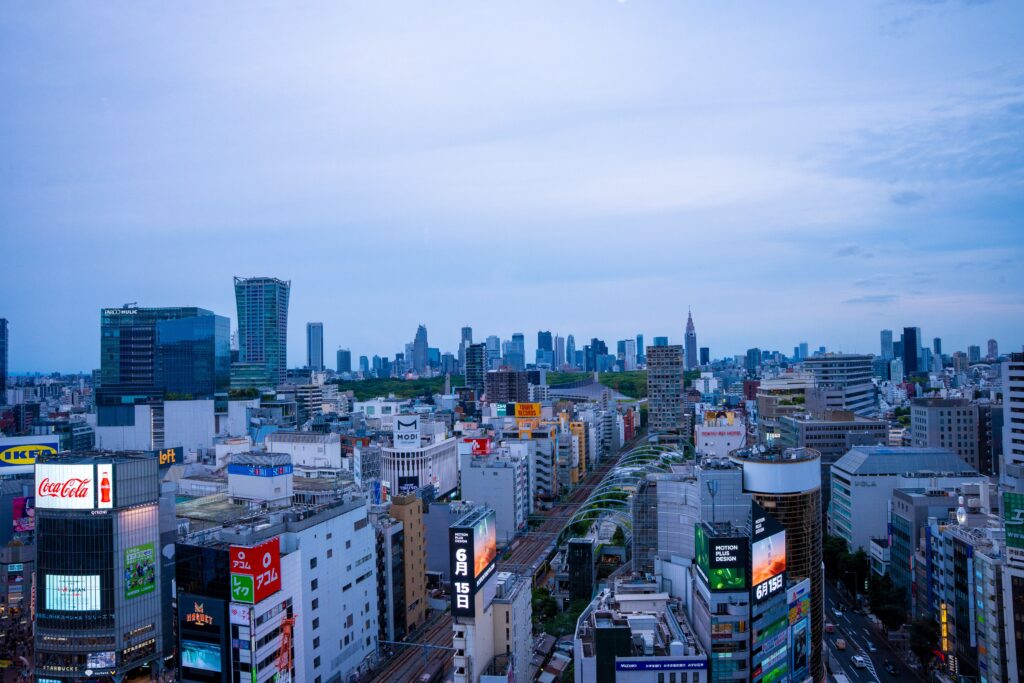
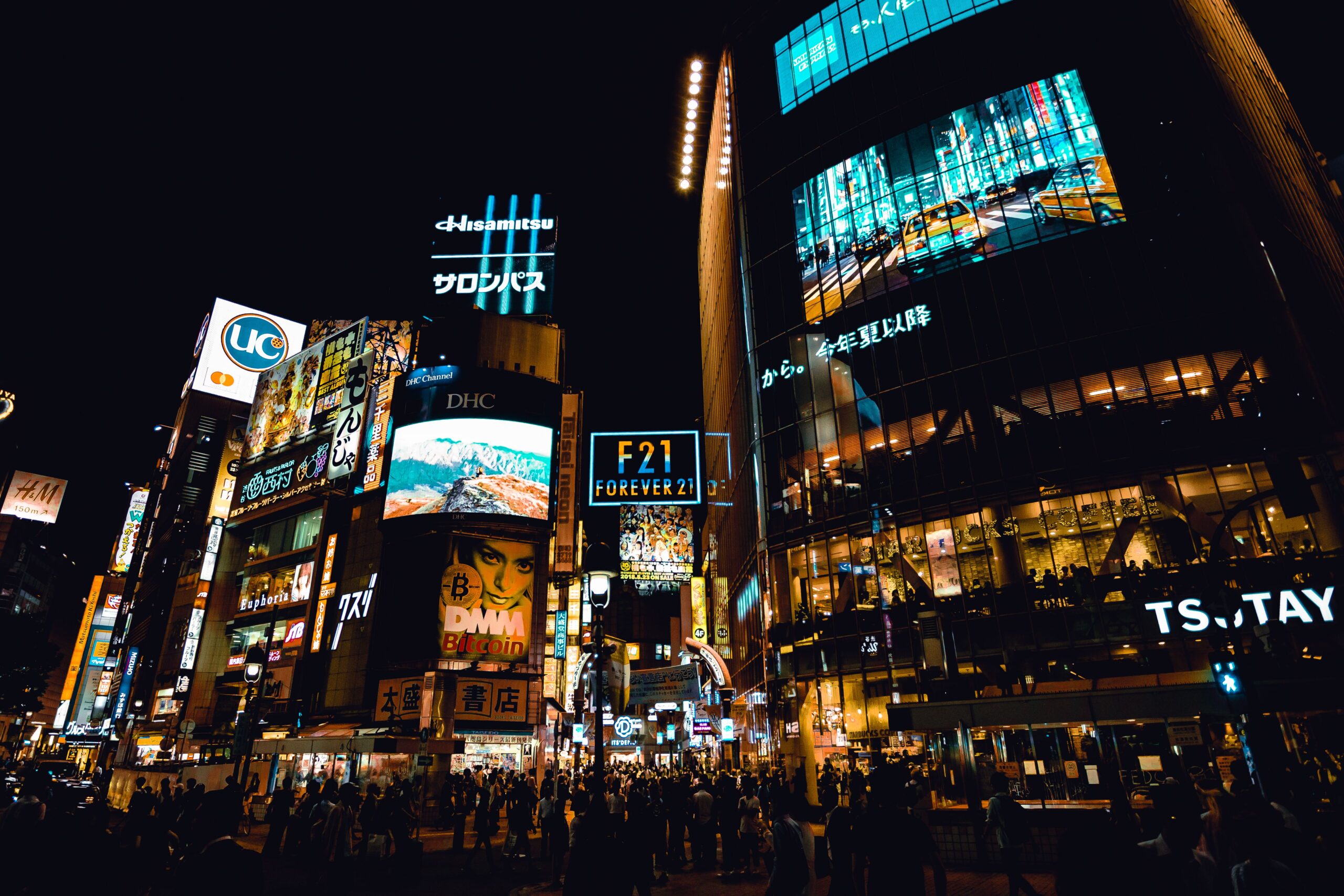
Tokyo should be at the top of any first-time Japan itinerary. It combines futuristic architecture, traditional temples, shopping districts, technology, entertainment and an enormous food scene.
Popular areas include Shibuya, Shinjuku, Ginza, Asakusa and Akihabara.
Best for: First-time visitors, shopping, food, nightlife and technology.
2. Kyoto
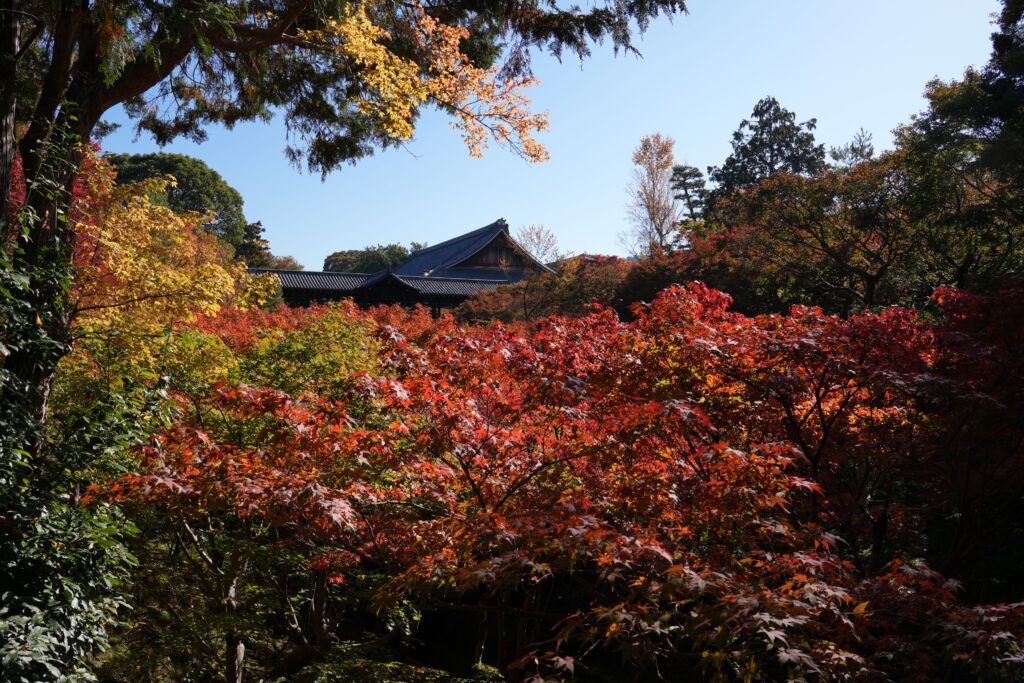
Kyoto is the cultural heart of Japan and one of the country’s most popular destinations.
The city is famous for traditional wooden neighbourhoods, Buddhist temples, Shinto shrines, Japanese gardens and seasonal scenery.
Do not miss Fushimi Inari Taisha, Kiyomizu-dera, Arashiyama and the Gion area.
Best for: Culture, temples, history and photography.
3. Osaka
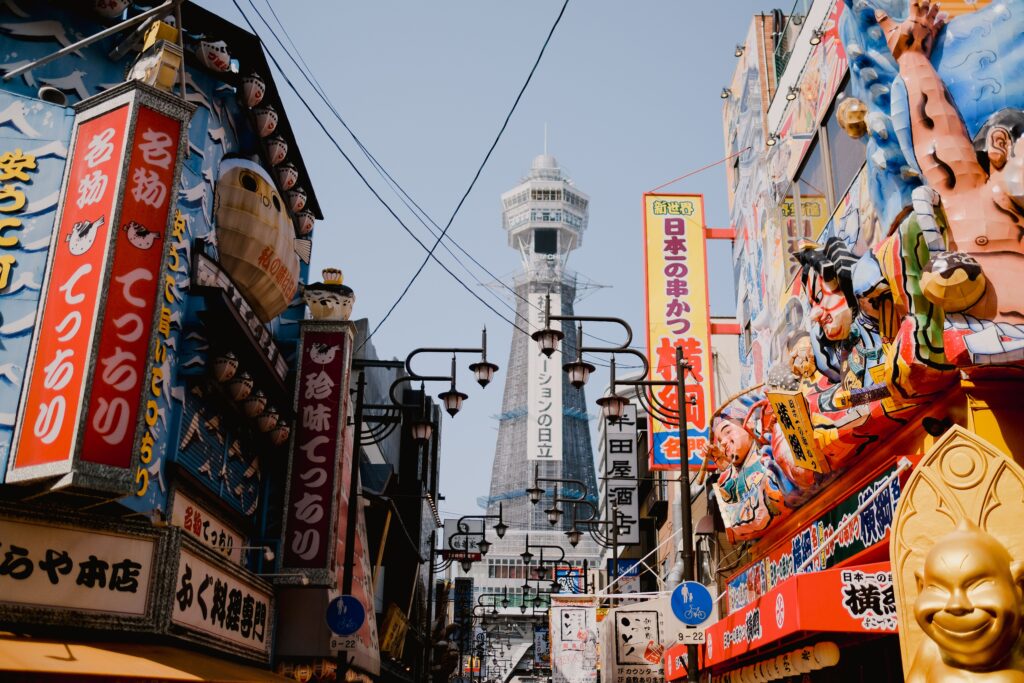
Osaka is famous for its food, friendly atmosphere and entertainment.
Dotonbori is particularly popular for its colourful signs, restaurants and street-food culture. Osaka Castle is another major attraction.
Osaka is also a convenient base for visiting Kyoto and Nara.
Best for: Food, nightlife, shopping and families.
4. Mount Fuji
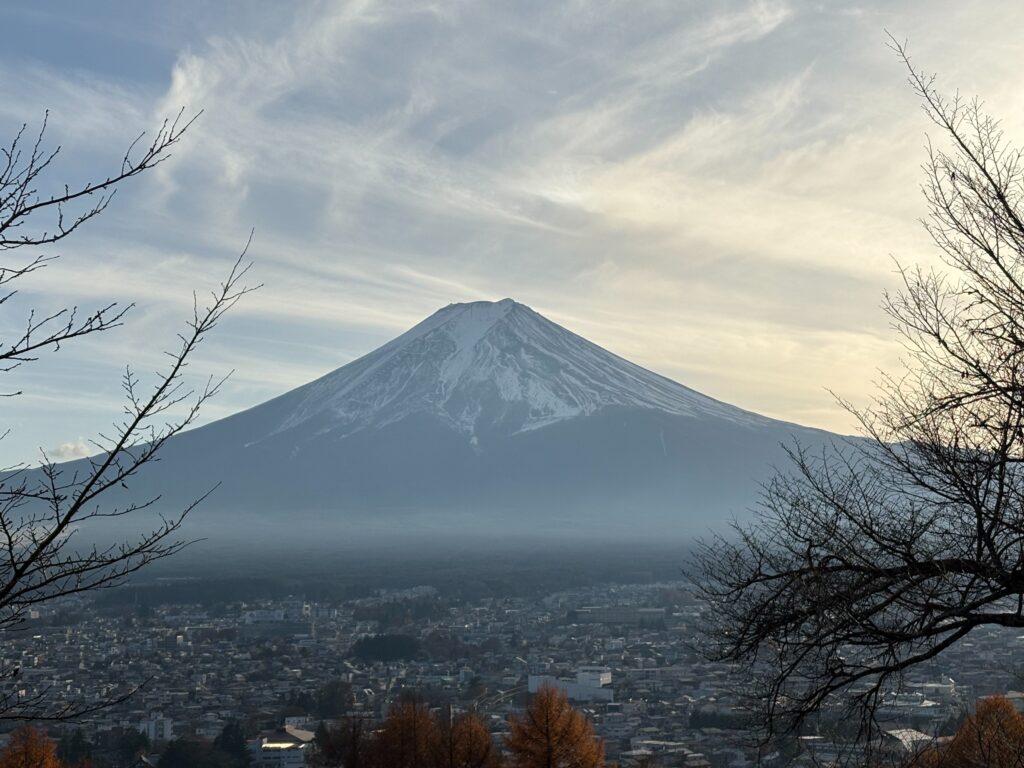
Mount Fuji is arguably Japan’s most iconic natural landmark.
The 3,776-metre mountain can be viewed from several surrounding areas, including the Fuji Five Lakes region.
For many visitors, seeing Mount Fuji at sunrise is one of the highlights of a Japan trip.
Best for: Nature, photography and sightseeing.
5. Hiroshima Peace Memorial Park
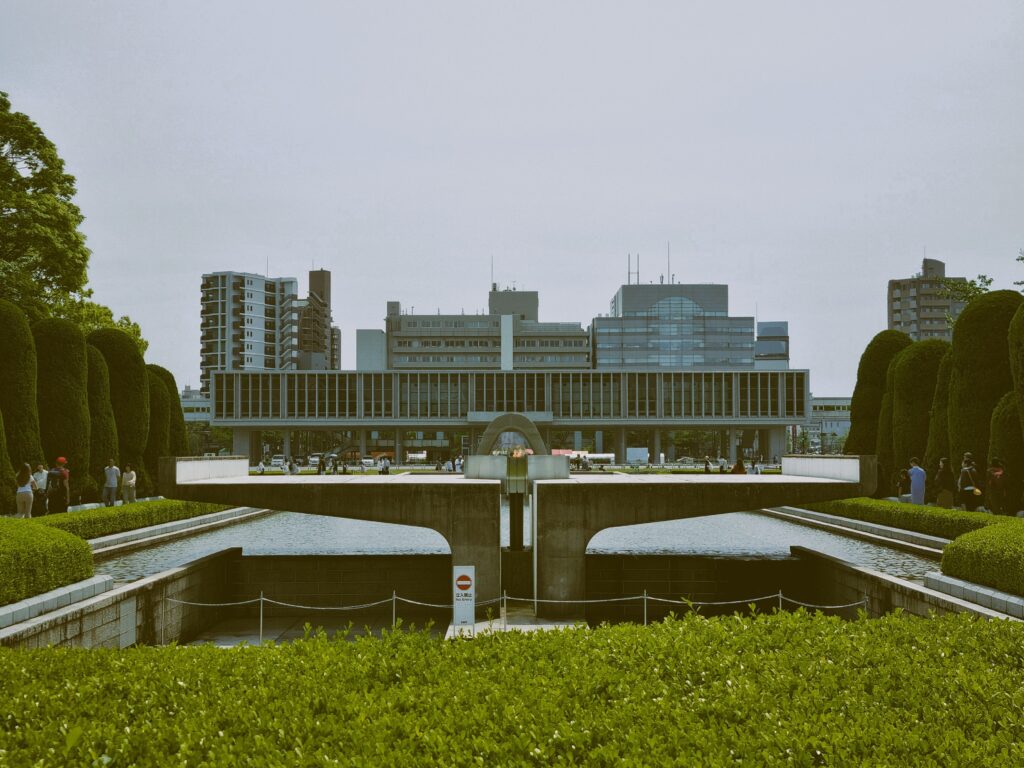
Hiroshima Peace Memorial Park is an important historical and educational destination.
The park includes the Atomic Bomb Dome and Peace Memorial Museum and commemorates the victims of the 1945 atomic bombing.
It is a place for reflection and understanding of Hiroshima’s history.
Best for: History and educational travel.
6. Miyajima Island
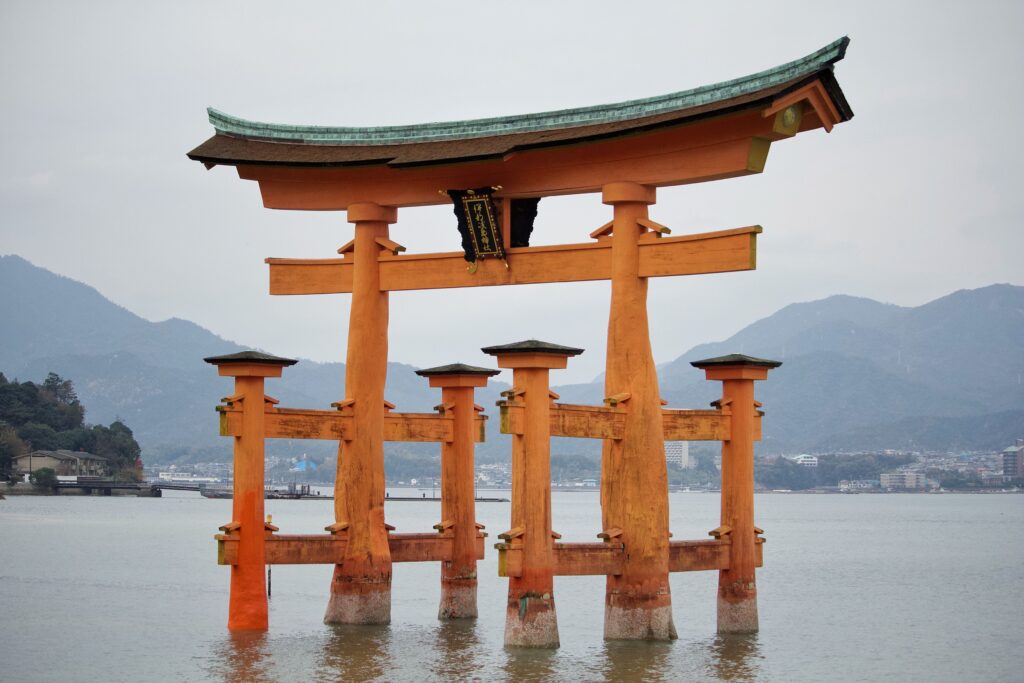
Miyajima, officially known as Itsukushima, is famous for its beautiful shrine and iconic torii gate.
The island also offers mountain scenery, temples, walking trails and views across the Seto Inland Sea.
It can conveniently be visited as a day trip from Hiroshima.
Best for: Culture, nature and photography.
7. Nara
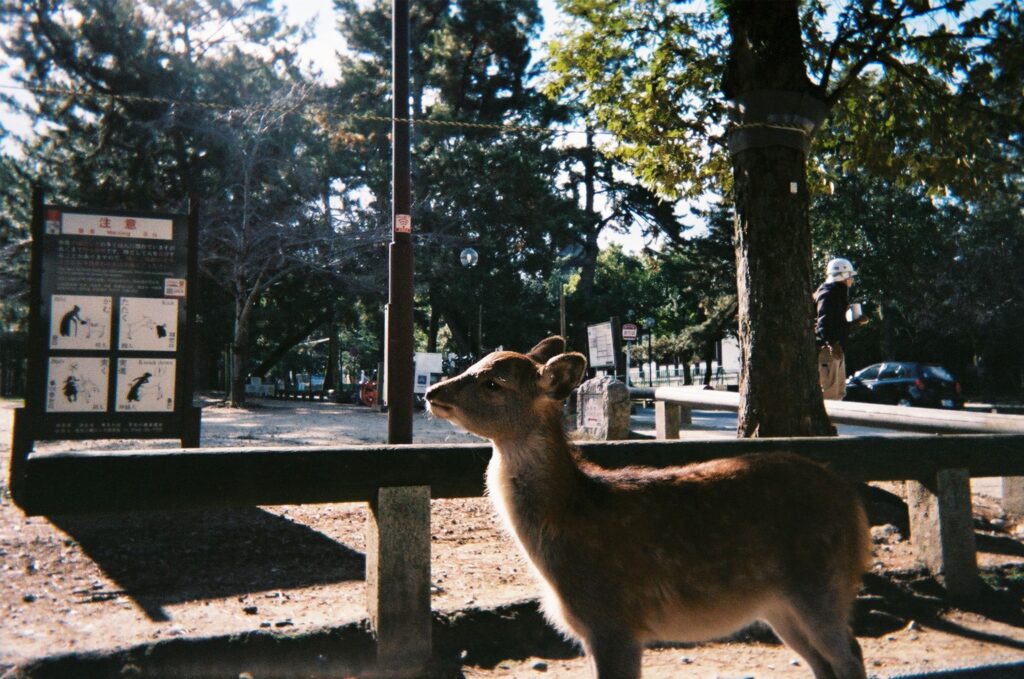
Nara is one of Japan’s best destinations for history and traditional culture.
Todai-ji Temple is famous for its enormous Buddha statue, while Nara Park is well known for its free-roaming deer.
JNTO specifically lists Nara among popular destinations alongside Kyoto and Hiroshima. (Japan Travel)
Best for: Families, history and culture.
8. Hokkaido
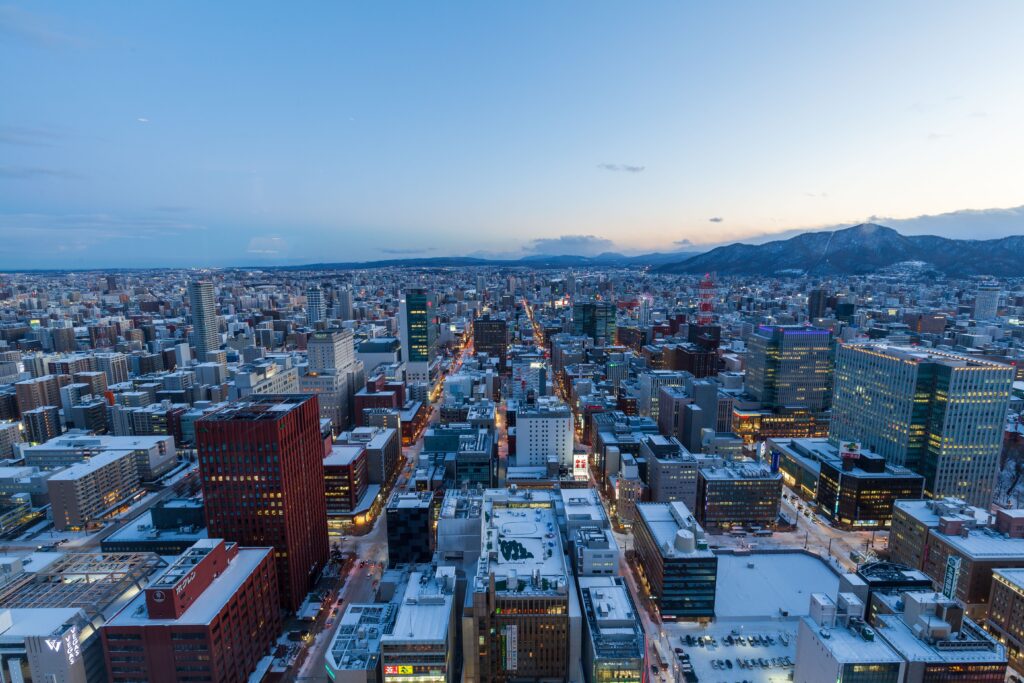
Hokkaido is Japan’s northernmost major island and is famous for mountains, national parks, skiing, seafood and beautiful seasonal scenery.
Sapporo is the island’s main city, while destinations such as Furano, Biei and Niseko offer very different experiences.
Best for: Nature, skiing, food and winter travel.
9. Sapporo
Sapporo is the capital of Hokkaido and a popular destination throughout the year.
In winter, it becomes particularly famous for snow and winter events. JNTO notes the city’s popular Snow Festival as a major February attraction. (Japan Travel)
Sapporo is also known for its food, including ramen and seafood.
Best for: Winter travel, food and festivals.
10. Arashiyama Bamboo Grove
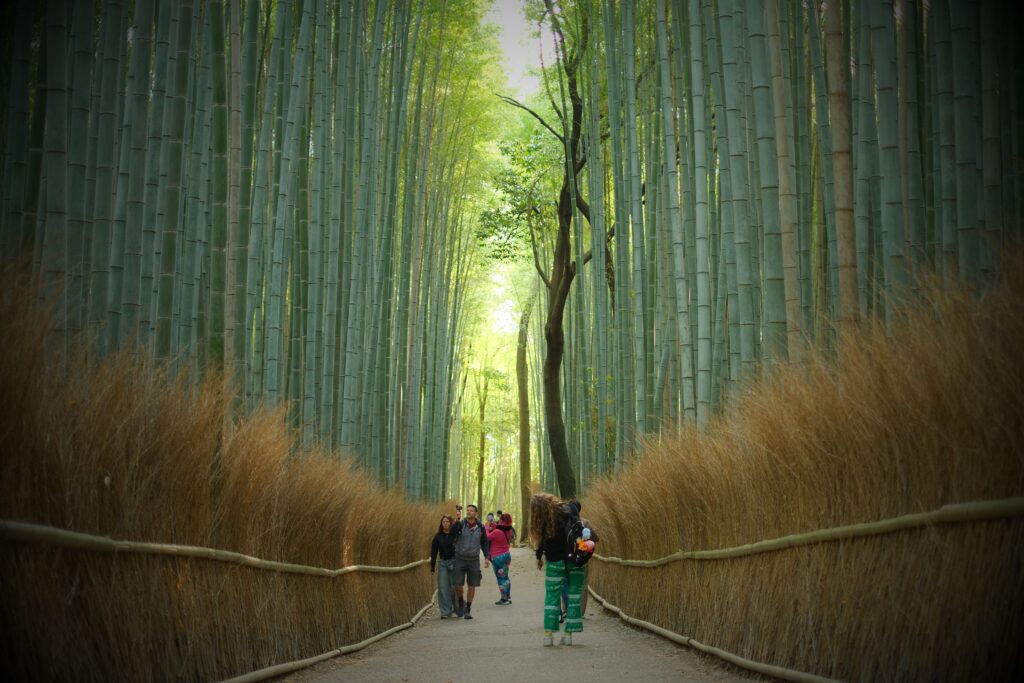
The Arashiyama area in Kyoto is famous for its tall bamboo forest.
Walking through the bamboo grove creates a peaceful experience and provides excellent photography opportunities.
The surrounding area also includes temples, gardens and the scenic Togetsukyo Bridge.
Best for: Photography, nature and couples.
11. Fushimi Inari Taisha
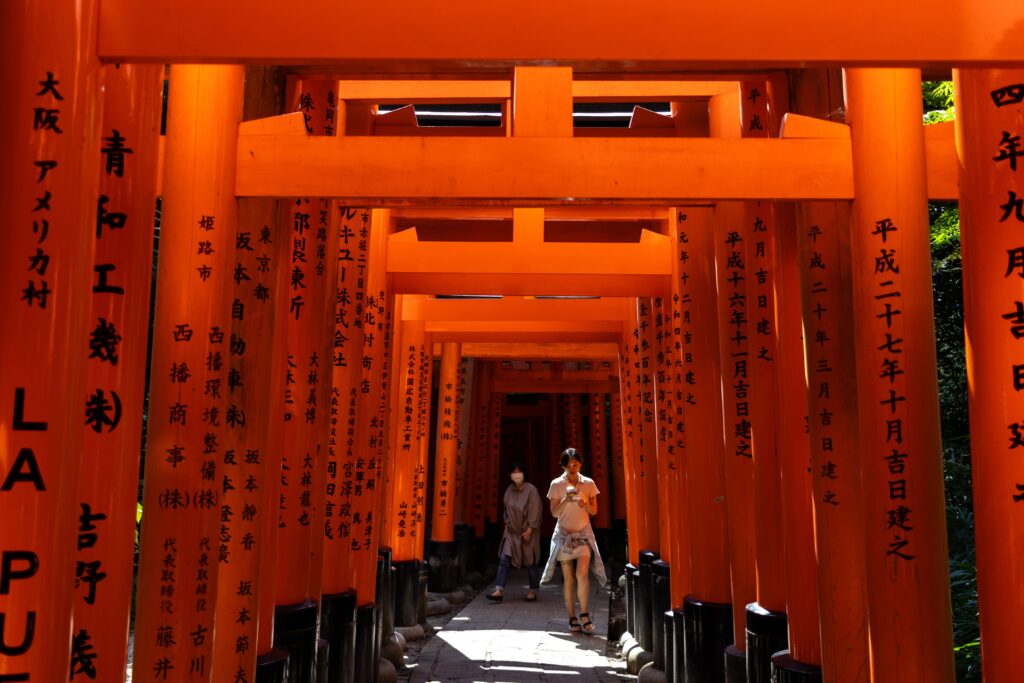
Fushimi Inari Taisha is one of Kyoto’s most recognisable attractions.
The shrine is famous for thousands of bright torii gates forming pathways up Mount Inari.
Early morning is generally a good time to experience the area with fewer visitors.
Best for: Culture, photography and hiking.
12. Kiyomizu-dera
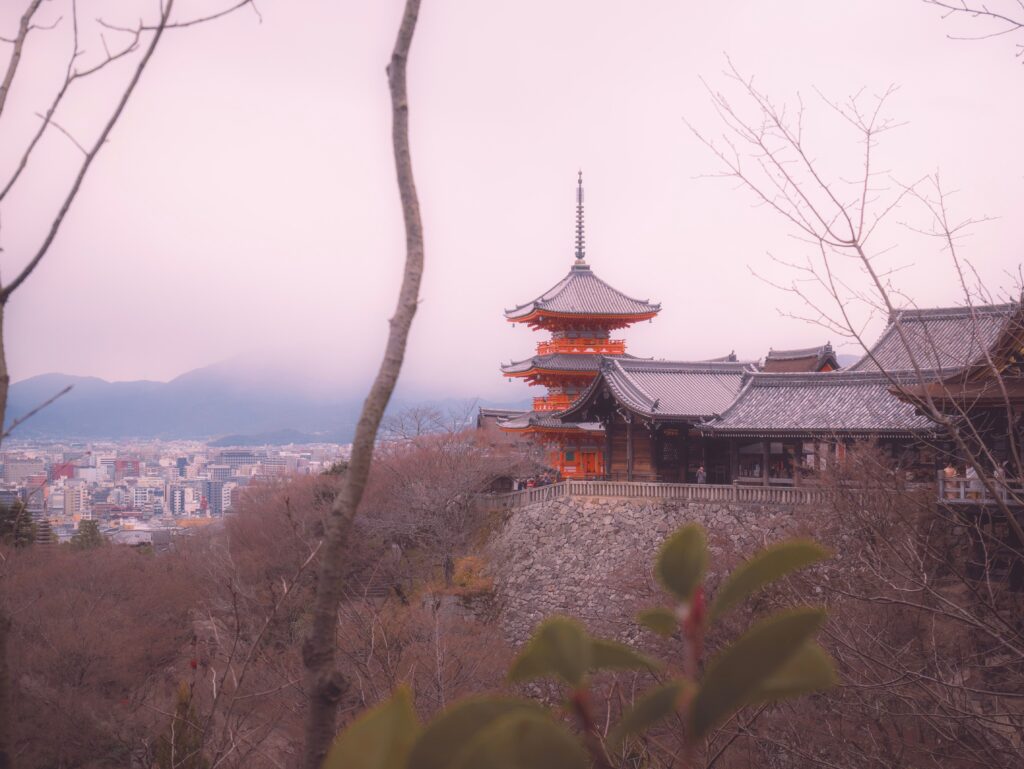
Kiyomizu-dera is one of Kyoto’s most famous temples.
Its elevated wooden terrace provides beautiful views over the surrounding city, especially during spring and autumn.
The temple is located in the historic Higashiyama area, making it easy to combine with other traditional Kyoto attractions.
Best for: Architecture, culture and photography.
13. Nikko
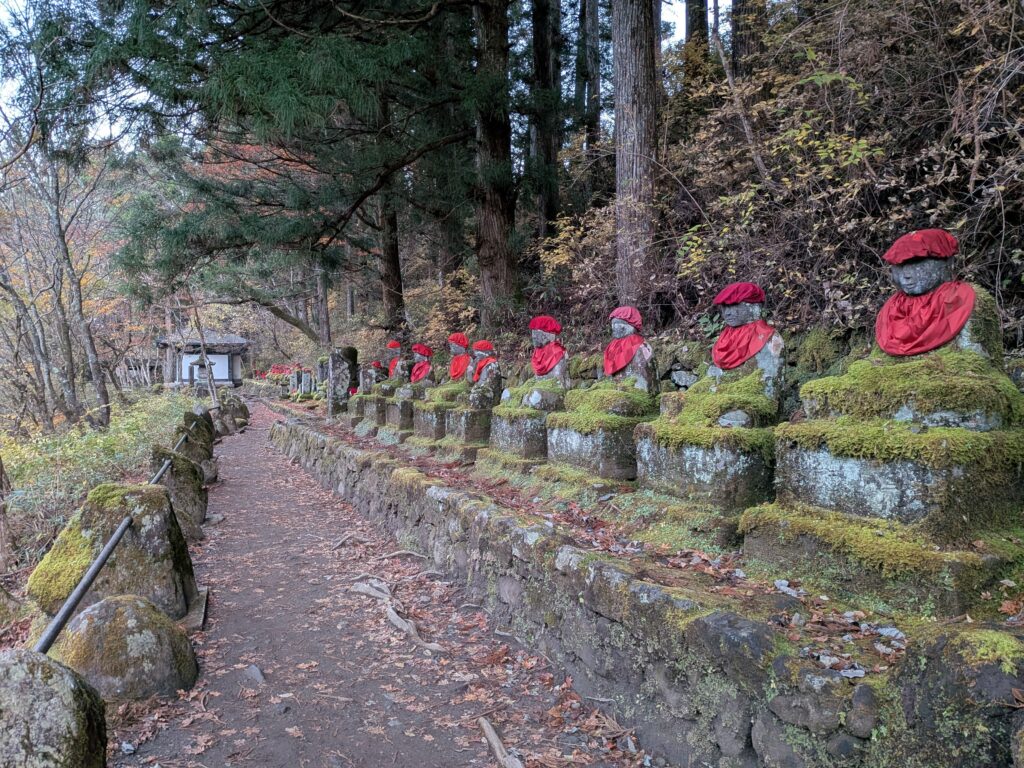
Nikko is a historic mountain destination located north of Tokyo.
It is famous for ornate shrines and temples surrounded by forests and mountains.
Nikko is also an excellent destination for autumn foliage and nature lovers.
Best for: History, nature and day trips.
14. Kamakura
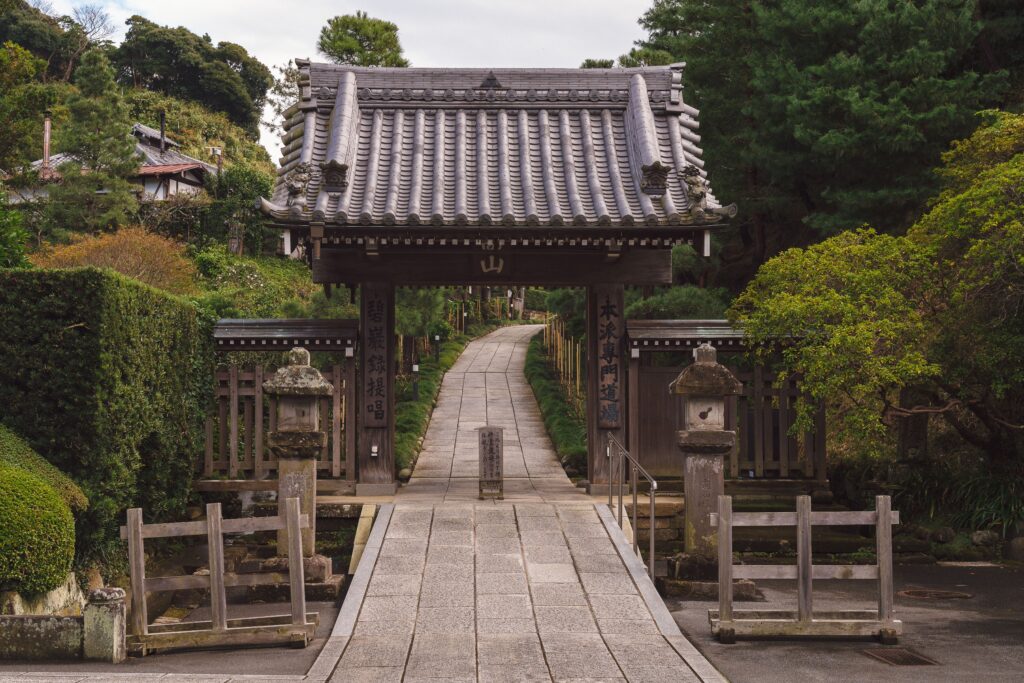
Kamakura is a popular day trip from Tokyo and was once an important political centre.
The city is known for temples, shrines and the famous Great Buddha.
JNTO lists Kamakura among its recommended day trips from Tokyo. (Japan Travel)
Best for: History, temples and day trips.
15. Yokohama
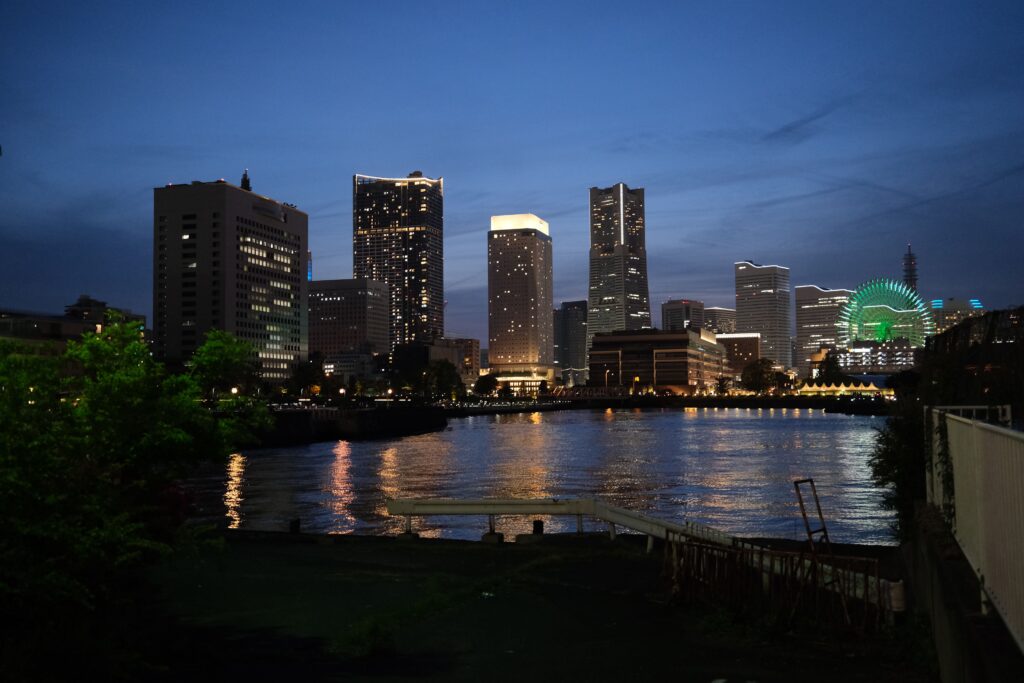
Yokohama is a major port city close to Tokyo.
Visitors can explore the waterfront, Red Brick Warehouse, Chinatown and other attractions.
Its proximity to Tokyo makes it easy to include in a longer Japan itinerary.
Best for: Families, food, shopping and city sightseeing.
16. Kanazawa
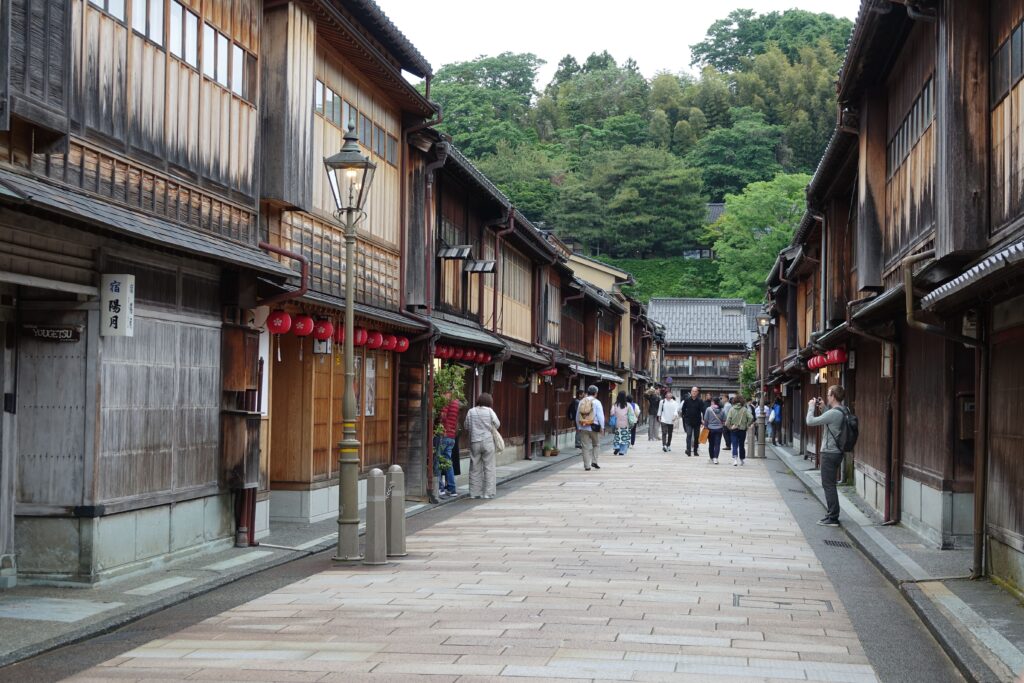
Kanazawa offers a more traditional Japanese experience without the scale of Tokyo or Kyoto.
Kenrokuen Garden is one of its most famous attractions, while the city is also known for traditional crafts and historic districts.
Best for: Gardens, culture, art and traditional Japan.
17. Shirakawa-go
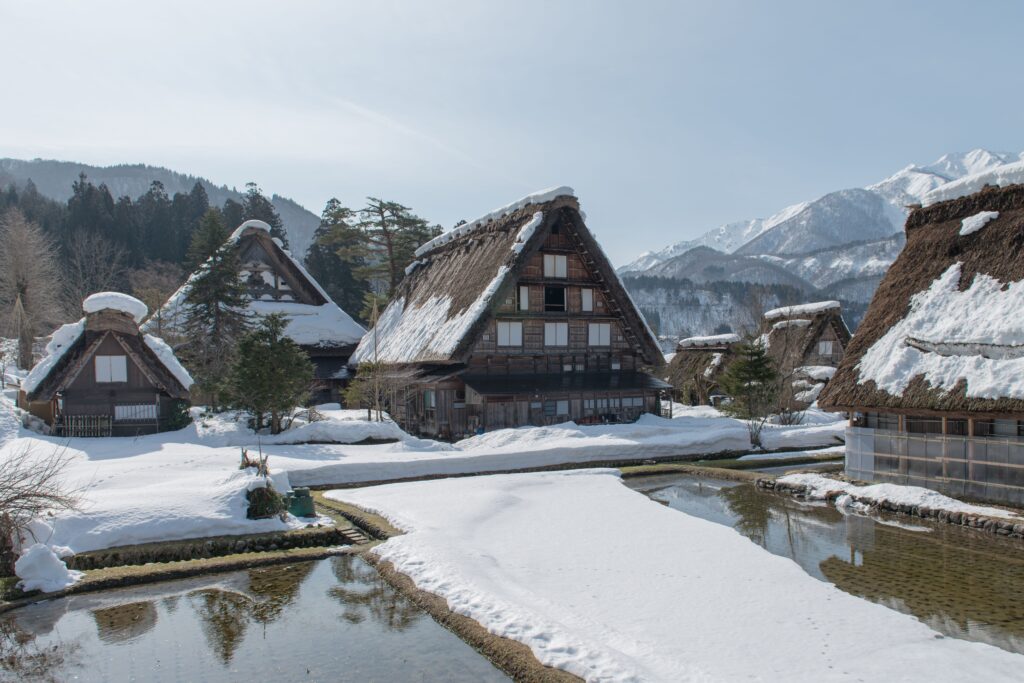
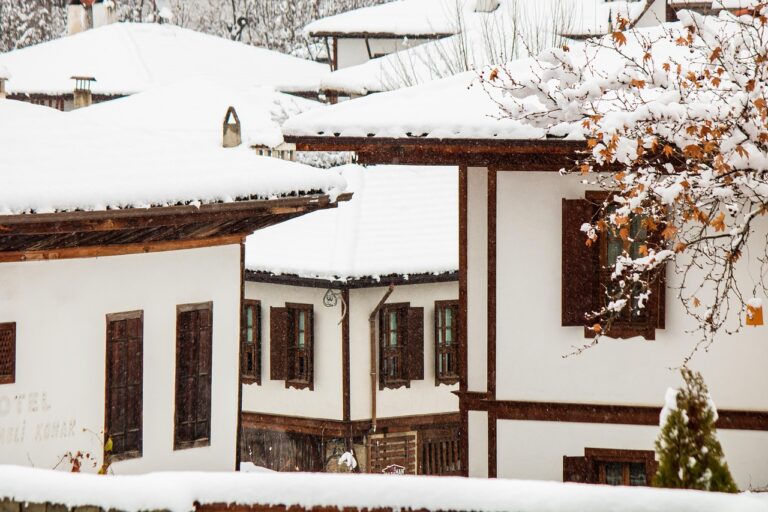
Shirakawa-go is famous for traditional gassho-zukuri farmhouses with steeply sloped roofs.
The village looks especially beautiful when covered in snow during winter.
It is an excellent choice for travellers looking for scenic rural Japan.
Best for: Photography, traditional villages and winter scenery.
18. Takayama
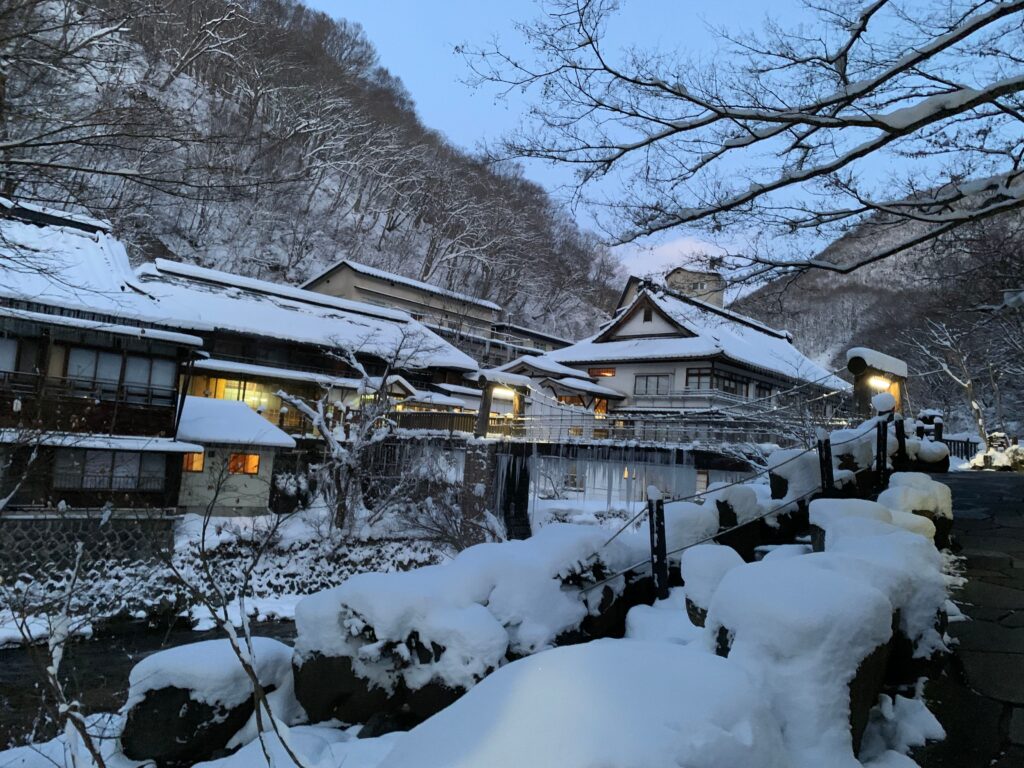
Takayama is a charming mountain town known for its preserved historic streets and traditional atmosphere.
It is often combined with Shirakawa-go as part of a central Japan itinerary.
The town is also known for local food and traditional festivals.
Best for: Culture, food and rural experiences.
19. Hakone
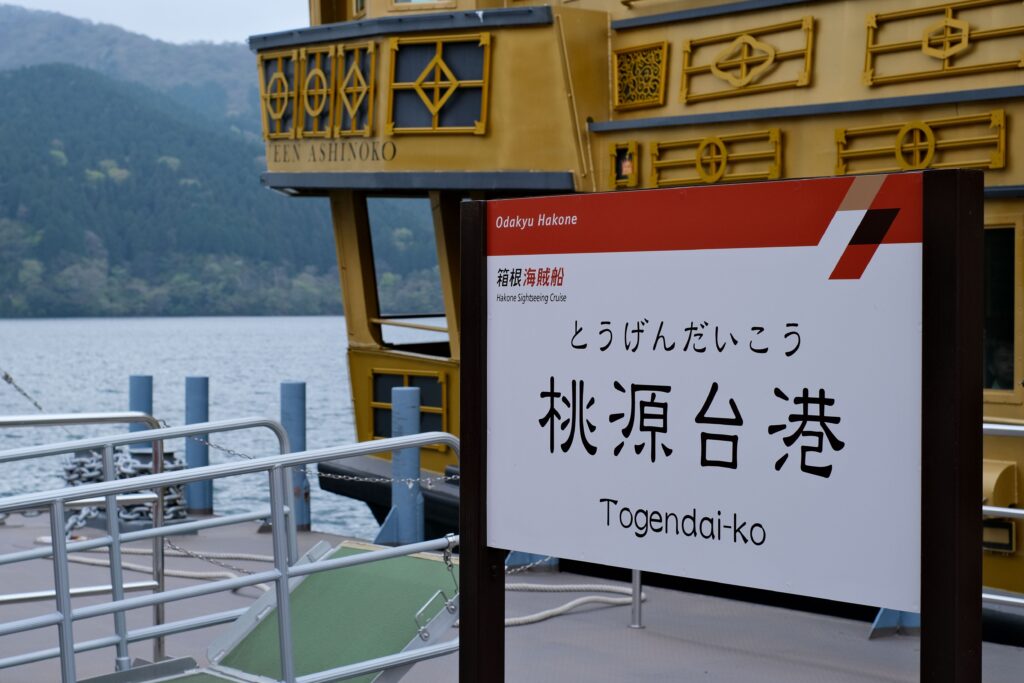
Hakone is a popular resort area near Mount Fuji.
It is known for hot springs, mountain scenery, traditional inns and views of Mount Fuji.
A Hakone trip can provide a relaxing break from Tokyo’s busy streets.
Best for: Couples, relaxation and hot springs.
20. Okinawa
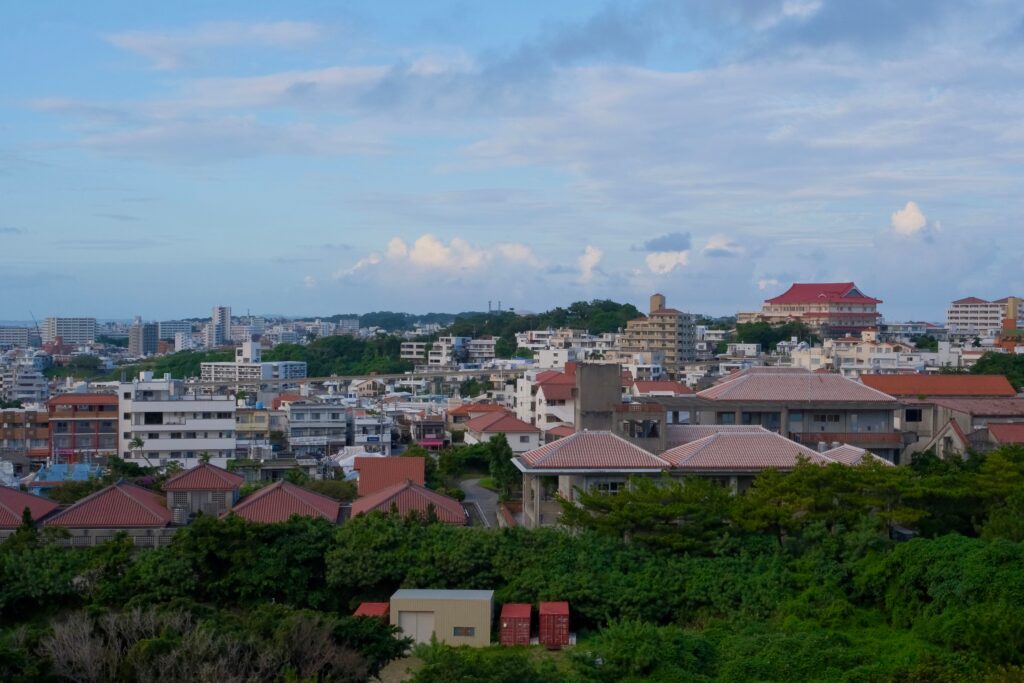
Okinawa offers a completely different side of Japan.
The islands are known for beaches, coral reefs, warm weather and distinctive local culture.
Travellers interested in a beach holiday can consider Okinawa instead of focusing exclusively on Japan’s major cities.
Best for: Beaches, diving and relaxation.
21. Fukuoka
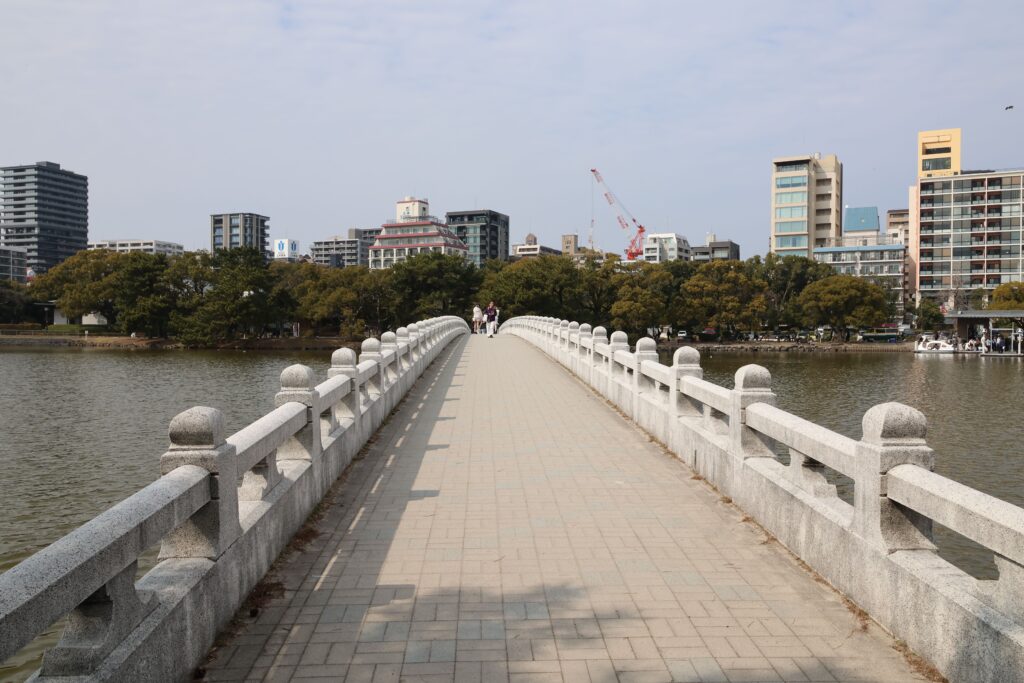
Fukuoka is one of the major cities of Kyushu and is particularly famous for its food.
Its yatai street-food stalls are an important part of the city’s food culture.
JNTO also recommends Fukuoka as an alternative to Japan’s more crowded major tourist cities. (Japan Travel)
Best for: Food, city breaks and exploring Kyushu.
22. Nagasaki
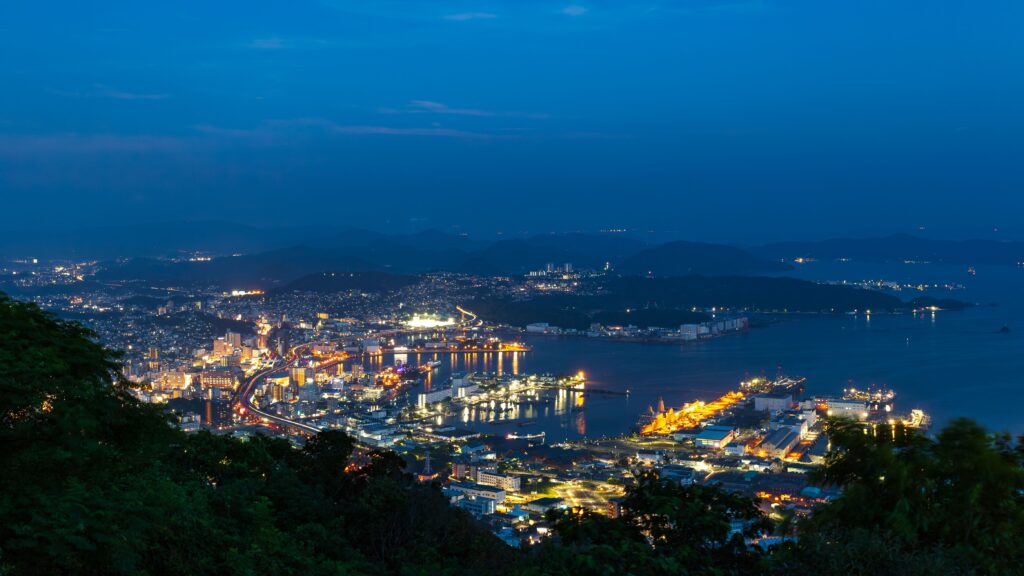
Nagasaki has a fascinating history shaped by international trade and cultural exchange.
The city also has important historical sites connected with World War II.
Its hills, harbour and distinctive architecture make it an interesting destination for travellers exploring Kyushu.
Best for: History, culture and city sightseeing.
23. Kamikochi
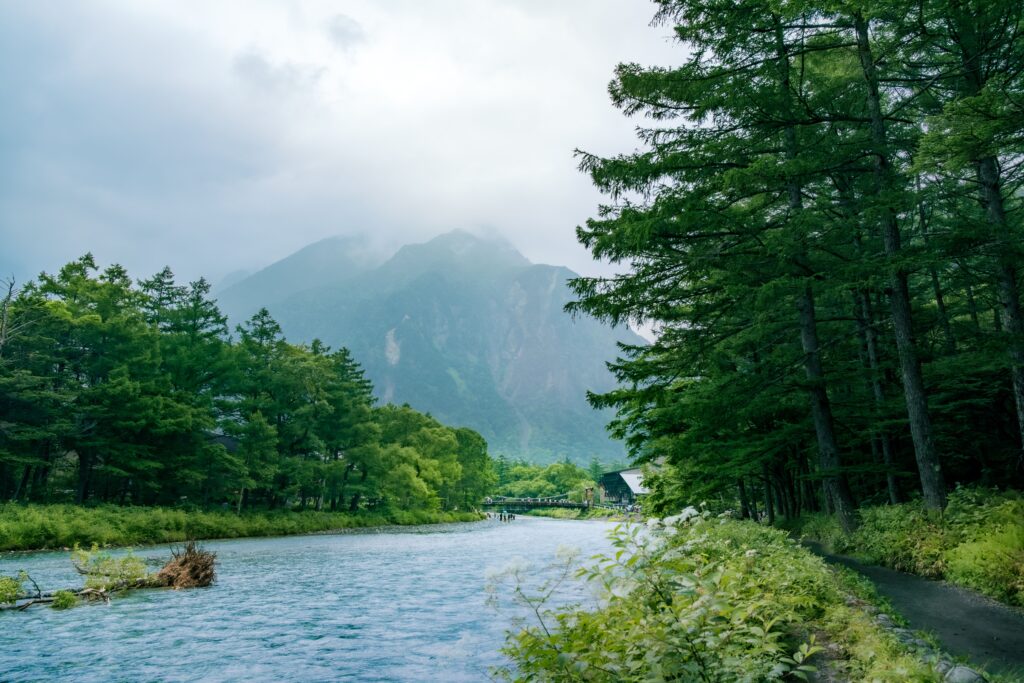
Kamikochi is one of Japan’s most beautiful mountain destinations.
It offers hiking trails, rivers, forests and spectacular views of the Japanese Alps.
Autumn is particularly attractive when the surrounding forests change colour.
Best for: Hiking, nature and photography.
24. Kurobe Gorge
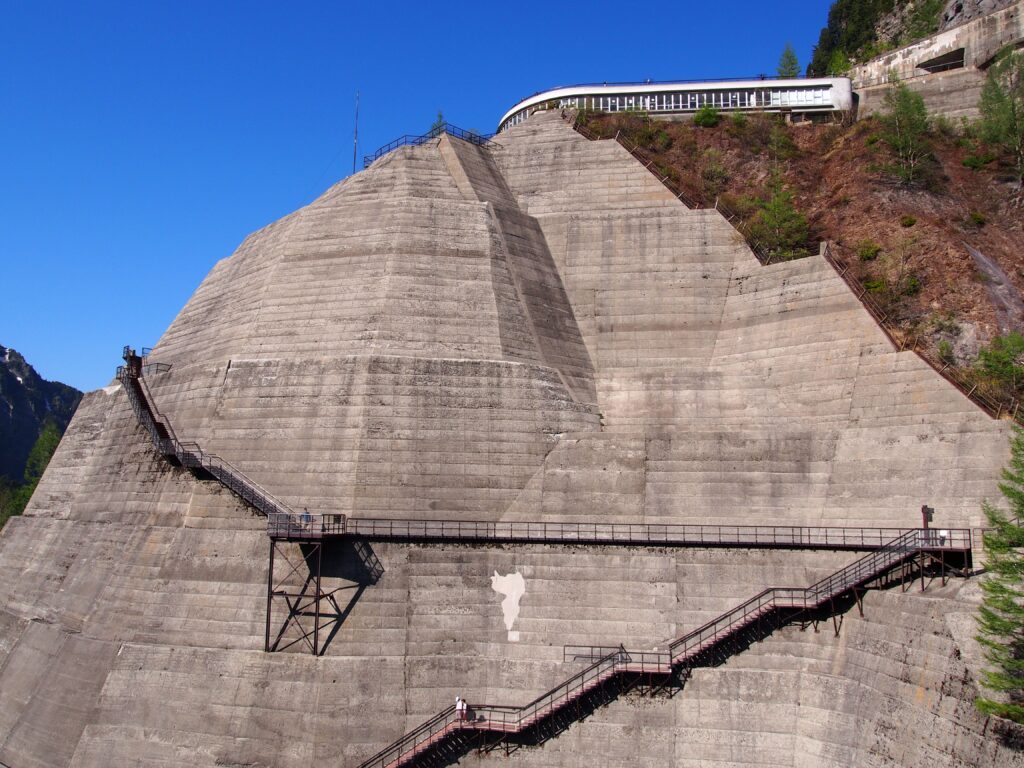
Kurobe Gorge in Toyama is famous for dramatic mountain scenery and its scenic railway.
It is a great option for travellers who want to explore beyond Japan’s major tourist cities.
JNTO highlights Kurobe Gorge among notable destinations for exploring Japan beyond the traditional Tokyo–Kyoto route. (Japan Travel)
Best for: Nature, scenic rail travel and photography.
25. Ishigaki Island
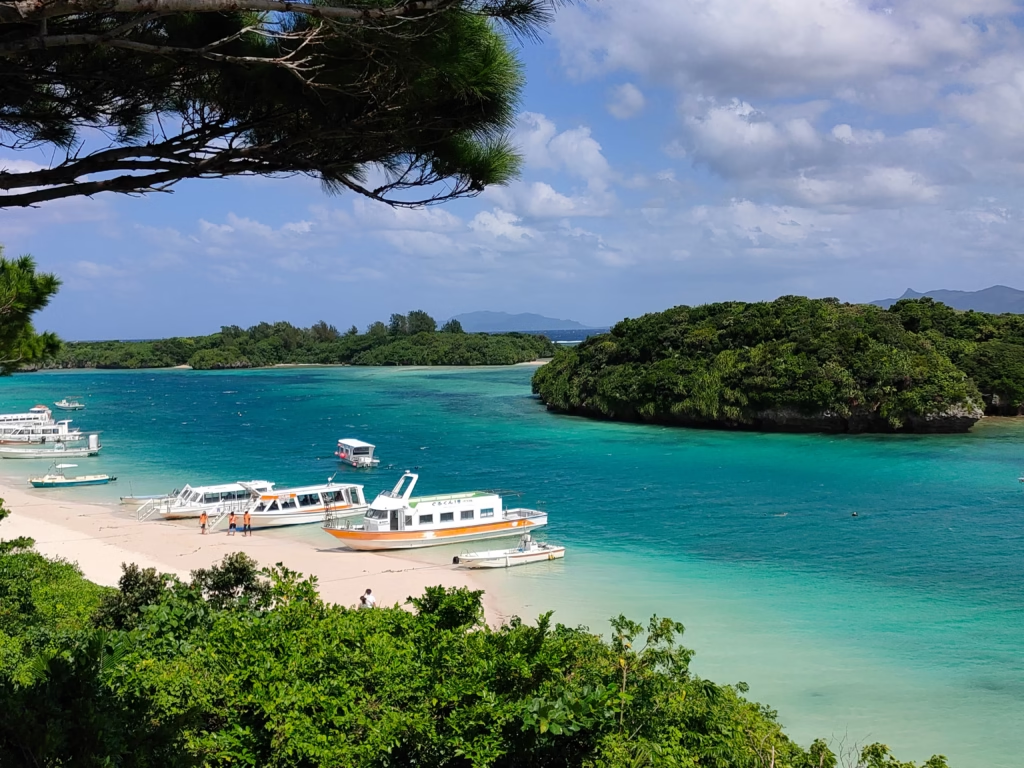
Ishigaki Island is located in Okinawa Prefecture and offers beautiful beaches, clear waters and tropical scenery.
It is particularly attractive for travellers interested in diving, snorkelling and island experiences.
JNTO includes Ishigaki among its featured destinations. (Japan Travel)
Best for: Beaches, diving, nature and relaxation.
Best Places in Japan for Different Types of Travellers
| Traveller Type | Best Places |
|---|---|
| First-time visitors | Tokyo, Kyoto, Osaka |
| History lovers | Kyoto, Nara, Hiroshima, Kamakura |
| Nature lovers | Hokkaido, Kamikochi, Mount Fuji |
| Couples | Hakone, Kyoto, Okinawa |
| Families | Tokyo, Osaka, Nara |
| Food lovers | Osaka, Tokyo, Fukuoka |
| Winter travellers | Hokkaido, Sapporo, Shirakawa-go |
| Beach lovers | Okinawa, Ishigaki |
| Photography | Mount Fuji, Kyoto, Shirakawa-go |
| Adventure travellers | Hokkaido, Kamikochi, Okinawa |
How Many Days Do You Need in Japan?
For a first visit, around one week can cover the country’s major highlights. JNTO’s current visitor guidance says that about one week can work for major destinations such as Tokyo, Kyoto and Osaka. (Japan Travel)
7-Day Japan Itinerary
Day 1: Tokyo
Day 2: Tokyo
Day 3: Tokyo → Kyoto
Day 4: Kyoto
Day 5: Kyoto → Nara → Kyoto
Day 6: Osaka
Day 7: Osaka
10-Day Japan Itinerary
Days 1–3: Tokyo
Days 4–5: Mount Fuji/Hakone
Days 6–7: Kyoto
Day 8: Nara
Days 9–10: Osaka
If you have 14 days or more, you can add Hiroshima, Miyajima, Hokkaido, Kanazawa or Okinawa depending on the season and your interests.
Best Time to Visit Japan
Japan is a year-round destination, but the best time depends on what you want to experience.
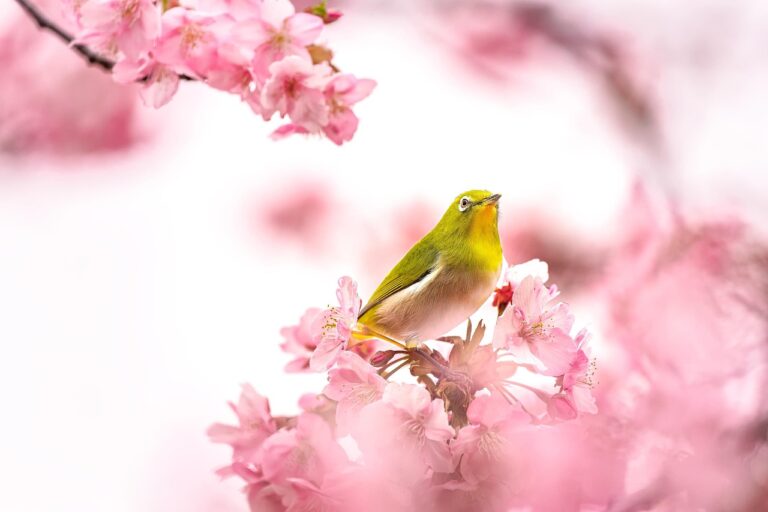
Spring: Cherry blossoms and pleasant sightseeing conditions.
Summer: Festivals, beaches, hiking and outdoor activities. August is particularly associated with summer festivals, fireworks, beaches and water activities, although it can be hot. (Japan Travel)
Autumn: Colourful foliage and comfortable sightseeing weather. Northern Japan and higher-altitude regions can see autumn colours earlier than Tokyo and Kyoto. (Japan Travel)
Winter: Snow, skiing, hot springs and winter scenery. Hokkaido is especially attractive for winter sports.
Japan Travel Tips for 2026
Plan your popular attractions ahead of time, especially during major holidays and peak seasons.
Use Japan’s excellent public transportation network to connect major cities efficiently.
Consider staying in different neighbourhoods rather than choosing accommodation only by the cheapest price.
For popular destinations such as Kyoto, visiting early in the morning can provide a more comfortable sightseeing experience.
Japan has many attractions beyond the famous Tokyo–Kyoto–Osaka route. Exploring smaller cities, rural villages, national parks and regional food destinations can make your trip more memorable. JNTO actively promotes lesser-known destinations and experiences across the country. (Japan Travel)
Final Thoughts
Japan offers an extraordinary variety of experiences in one country. You can explore futuristic Tokyo, walk through Kyoto’s historic streets, eat your way through Osaka, see Mount Fuji, visit ancient temples in Nara, experience the history of Hiroshima and relax on the beaches of Okinawa.
For a first Japan trip, I would prioritise:
Tokyo → Kyoto → Osaka → Mount Fuji/Hakone → Nara → Hiroshima/Miyajima
For a second trip, consider adding Hokkaido, Kanazawa, Takayama, Shirakawa-go, Okinawa, Fukuoka or the Japanese Alps.
The official Japan National Tourism Organization (JNTO) is a useful source for current destination information, seasonal travel guidance and practical trip-planning information.
Contact Information
- Website: ozabooking.net
- Partner Website: Oza Digital Services
- Email: ozadigicare@gmail.com
- Author: Sandhya Kashyap