Norway Travel Guide 2026: Best Places to Visit, Things to Do, Costs & Travel Tips
Norway is one of the most spectacular travel destinations in Europe, known for dramatic fjords, snow-covered mountains, colorful coastal towns, scenic train journeys, beautiful national parks, and the magical Northern Lights. From the modern streets of Oslo to the Arctic landscapes of Tromsø and the dramatic beauty of the Lofoten Islands, Norway offers experiences for almost every type of traveler.
A trip to Norway can be expensive compared with many European destinations, but careful planning can help you manage your budget while enjoying the country’s natural beauty. Public transportation is excellent in many regions, scenic routes are an attraction in themselves, and many of Norway’s outdoor experiences can be enjoyed without expensive entrance fees.
Whether you are planning a winter holiday, a summer road trip, a romantic getaway, or your first Scandinavian adventure, this Norway travel guide will help you understand the best places to visit, things to do, estimated costs, transportation options, and practical travel tips for 2026.
Table of Contents
Why Visit Norway in 2026?
Norway combines natural beauty with modern infrastructure and a high quality of life. Travelers can experience glaciers, fjords, forests, waterfalls, beaches, mountains, and Arctic landscapes within the same country.
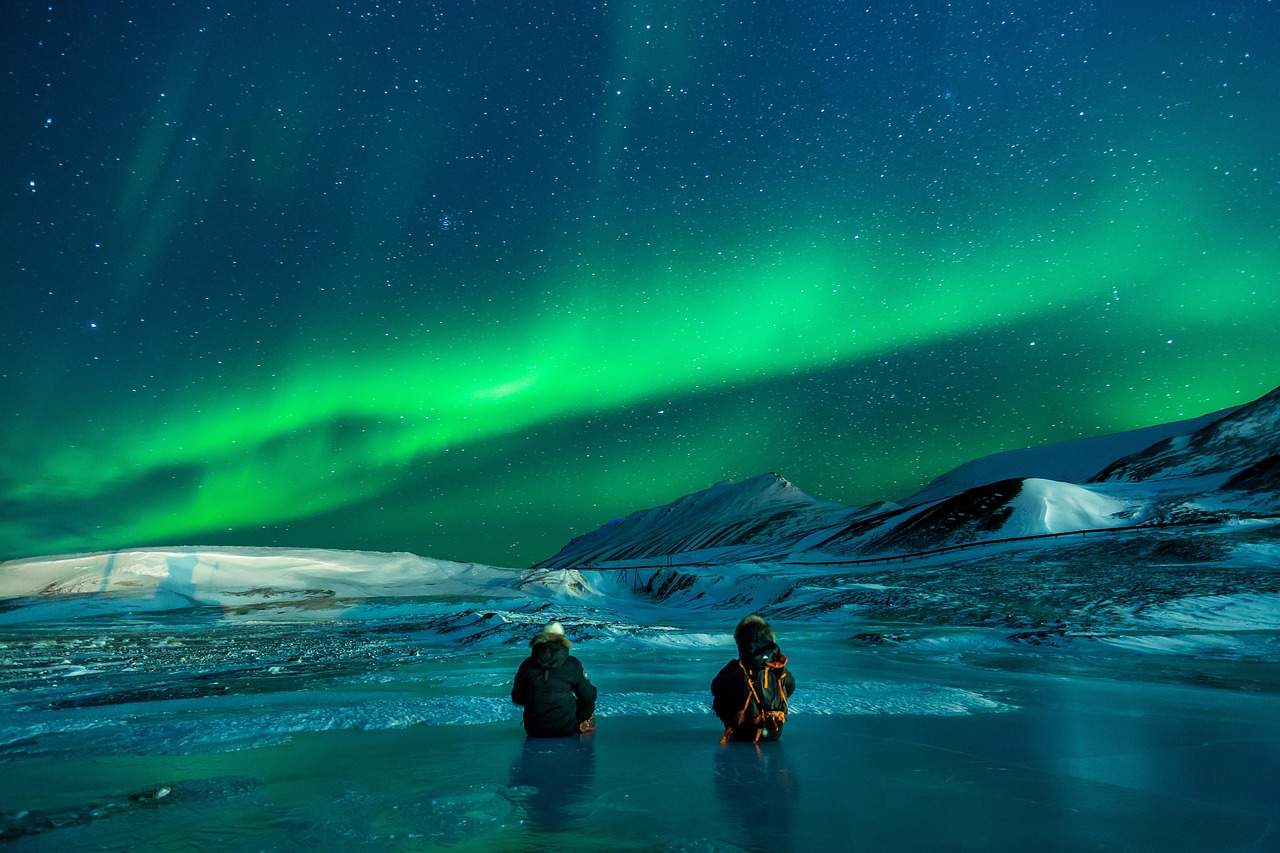
One of Norway’s biggest attractions is the Northern Lights, particularly in northern areas during the darker months. During summer, parts of northern Norway experience the Midnight Sun, when the sun remains above or near the horizon for an unusually long period.
Norway is also an excellent destination for hiking, photography, scenic drives, cruises, skiing, kayaking, and wildlife experiences.
Best Places to Visit in Norway
1. Oslo
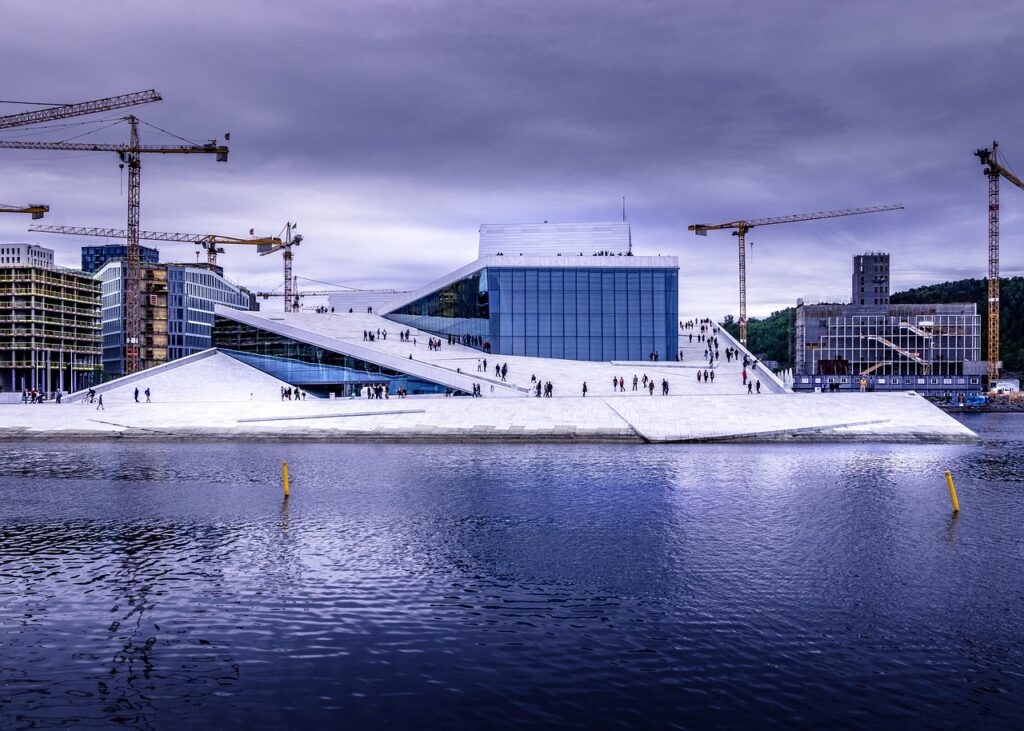
Oslo is Norway’s capital and a great starting point for a first trip.
The city combines modern architecture, museums, parks, waterfront areas, restaurants, and easy access to nature. Visitors can explore the Oslo Opera House, Vigeland Sculpture Park, museums, and the waterfront around Bjørvika.
Oslo is also useful for travelers who want to combine city sightseeing with outdoor activities. Forests and recreational areas are surprisingly close to the city center.
Spend at least two days in Oslo if your itinerary allows.
2. Bergen
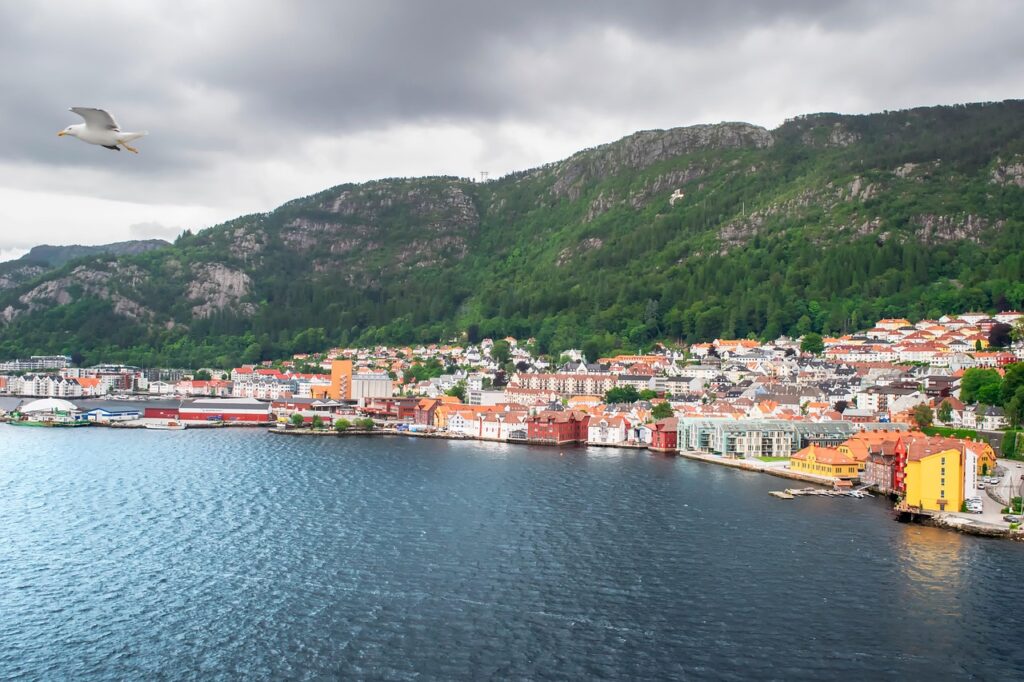
Bergen is often considered the gateway to Norway’s famous fjords.
The city is known for its colorful historic waterfront, surrounding mountains, seafood, and beautiful harbor. The UNESCO-listed Bryggen area is one of the city’s most recognizable sights.
Bergen is also an excellent base for exploring western Norway. Travelers can arrange fjord cruises, scenic railway trips, and excursions into the surrounding countryside.
The city is particularly attractive for visitors who want to combine culture with spectacular natural scenery.
3. Tromsø
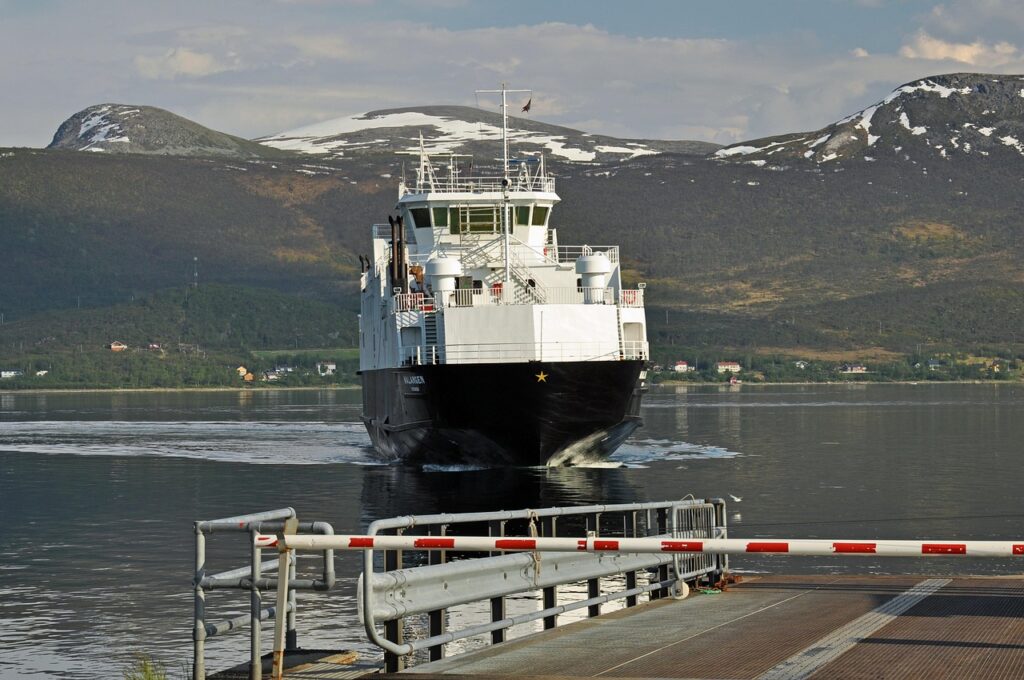
Tromsø is one of the most popular destinations in northern Norway and is widely known as a base for Northern Lights experiences.
During winter, visitors can enjoy activities such as dog sledding, snowshoeing, Arctic excursions, and guided Northern Lights tours.
In summer, Tromsø offers a completely different experience. Long daylight hours make it possible to enjoy hiking, sightseeing, kayaking, and outdoor adventures late into the evening.
If seeing the Northern Lights is your main goal, plan your trip around the darker season rather than summer.
4. Lofoten Islands
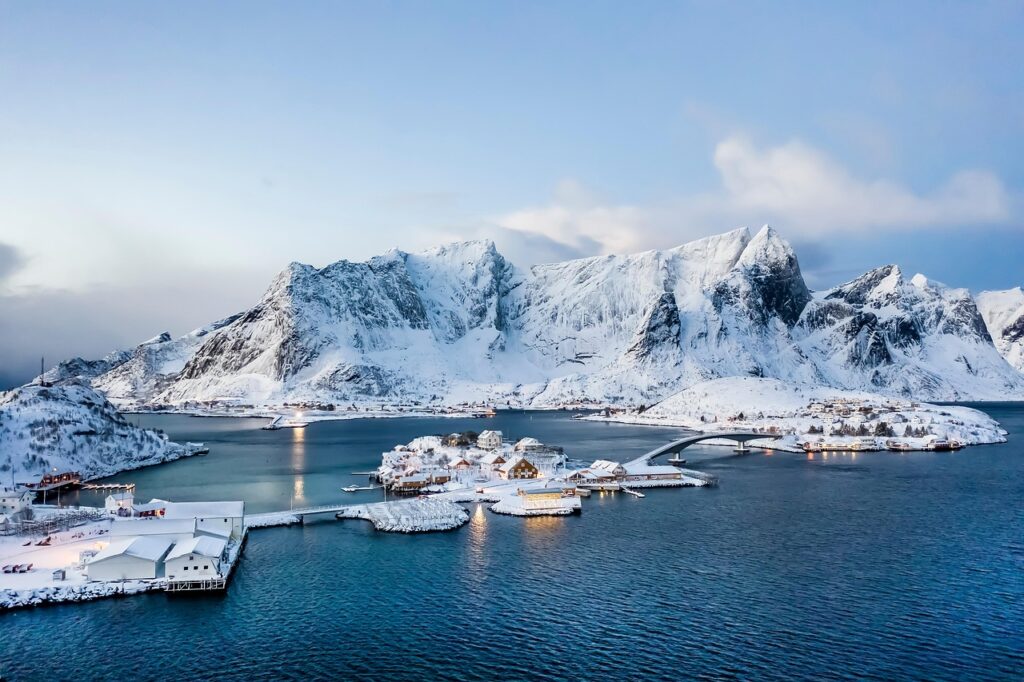
The Lofoten Islands are among Norway’s most photogenic destinations.
Dramatic mountains rise directly from the sea, while traditional fishing villages, beaches, bridges, and colorful cabins create unforgettable landscapes.
Popular activities include hiking, kayaking, fishing, photography, scenic drives, and exploring small coastal communities.
Lofoten is particularly appealing to travelers who prefer nature and outdoor adventures rather than large cities.
5. Geirangerfjord
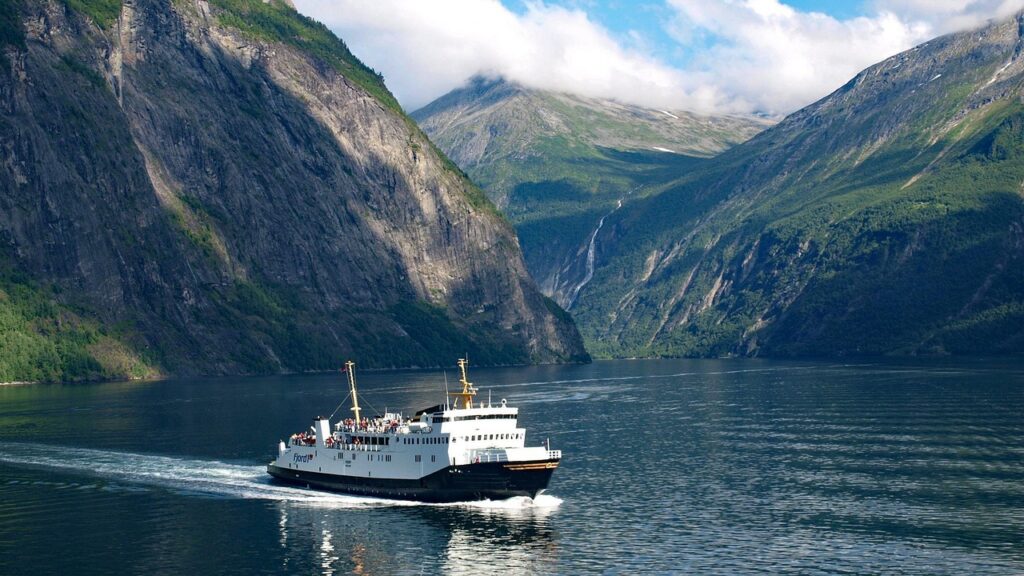
Geirangerfjord is one of Norway’s best-known fjord destinations.
The area is famous for steep mountain walls, waterfalls, viewpoints, and deep blue-green water. A fjord cruise provides an excellent way to appreciate the scale of the landscape.
Travelers can also explore nearby viewpoints and scenic roads during the warmer months.
6. Flåm
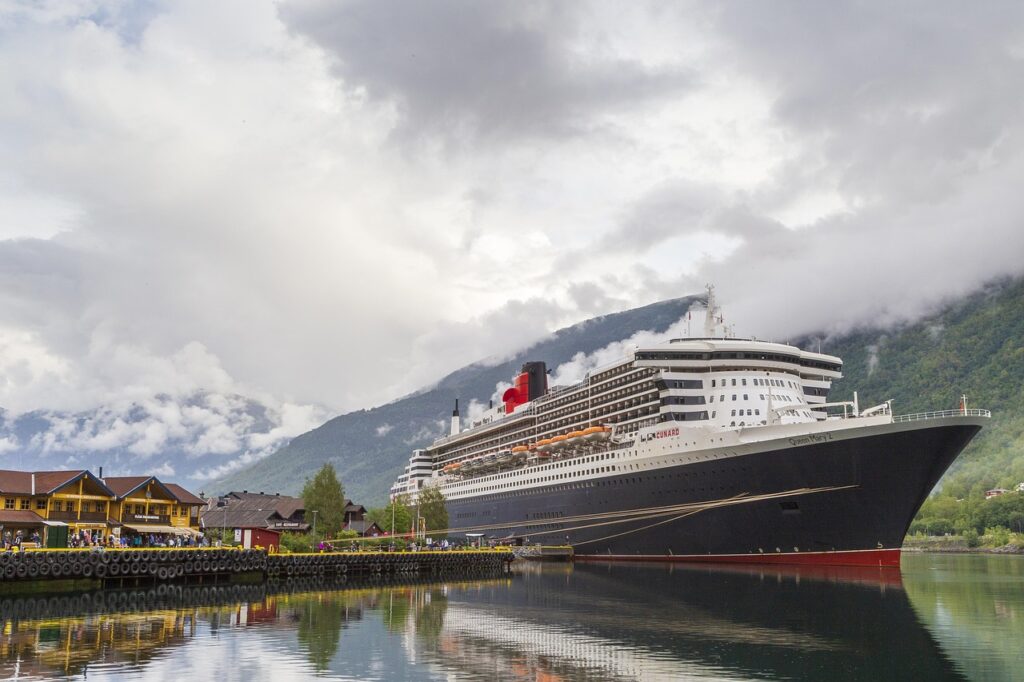
Flåm is a small village surrounded by mountains and fjords. It is particularly famous for the Flåm Railway, one of Norway’s most popular scenic train journeys.
The railway connects the village with the mountain station of Myrdal and provides spectacular views of waterfalls, valleys, and steep mountain landscapes.
Flåm is ideal for travelers who want a combination of railway travel, fjord scenery, hiking, and a peaceful village atmosphere.
Best Things to Do in Norway
Norway is an outdoor traveler’s paradise, and many of its most memorable experiences involve nature.
See the Northern Lights
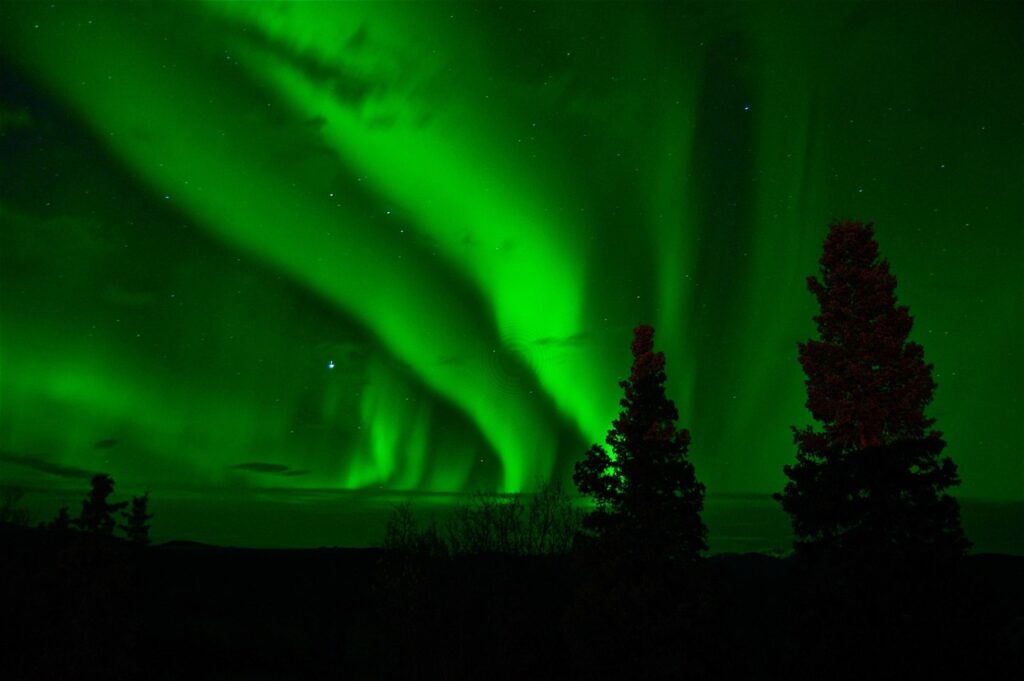
The Northern Lights are one of Norway’s most famous natural attractions.
Northern destinations such as Tromsø, Alta, and parts of the Lofoten region can provide opportunities to see the aurora during the darker months.
Remember that the Northern Lights are a natural phenomenon and cannot be guaranteed. Cloud cover and solar activity affect visibility.
Explore Norwegian Fjords
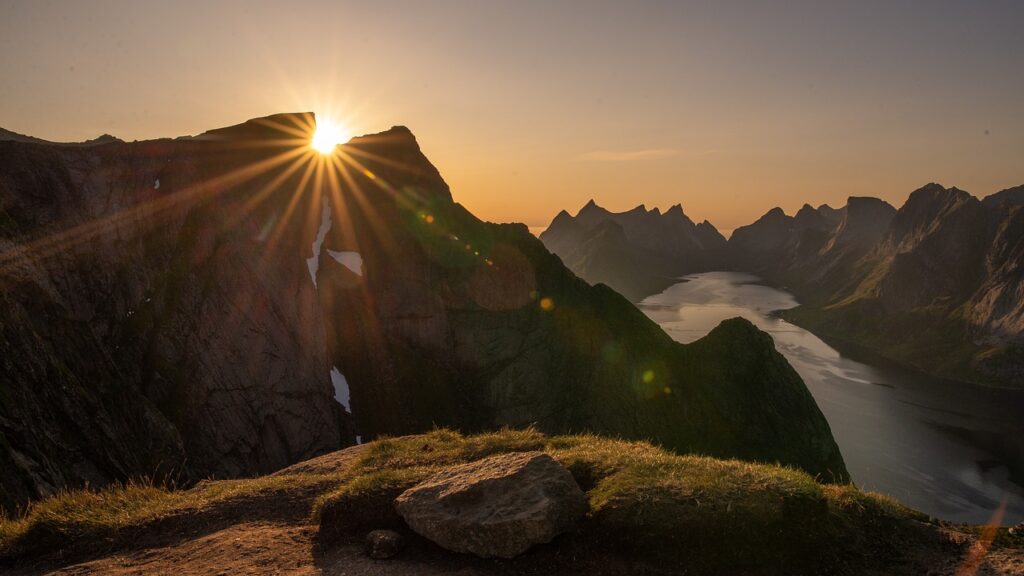
A fjord cruise is one of the classic Norwegian travel experiences.
Cruises and boat journeys allow visitors to see dramatic cliffs, waterfalls, villages, and mountains from the water. Depending on your itinerary, you can explore famous fjords such as Geirangerfjord and Nærøyfjord.
Take a Scenic Train Journey
Norway’s rail network offers several spectacular journeys.
The Bergen Railway connects Oslo and Bergen, while the Flåm Railway provides a shorter but exceptionally scenic experience.
Train travel can be both practical transportation and a sightseeing activity.
Go Hiking
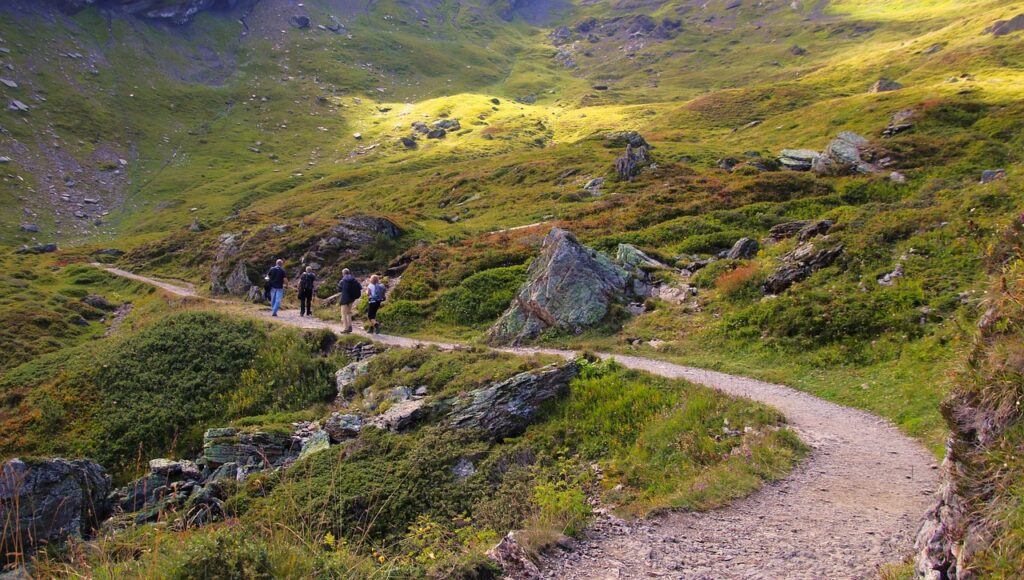
Norway has countless hiking opportunities ranging from easy walks to demanding mountain routes.
Popular destinations include Trolltunga, Preikestolen, and Kjerag.
Always check trail conditions before hiking. Mountain weather can change quickly, and some routes require good fitness, suitable clothing, and careful preparation.
Experience the Midnight Sun
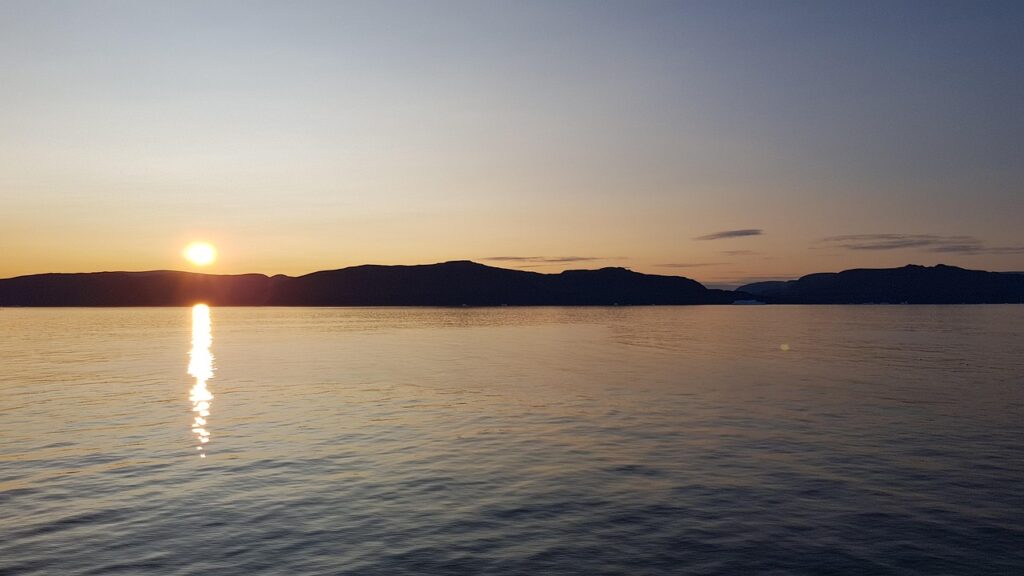
During summer, northern Norway experiences very long daylight hours.
The Midnight Sun is particularly fascinating because outdoor activities can continue late into the evening under natural daylight.
Hiking, photography, boat trips, and scenic drives become completely different experiences when the sun remains visible around midnight.
Explore Norwegian Food

Norwegian cuisine reflects the country’s coastal and agricultural traditions.
Visitors can try salmon, cod, seafood dishes, meat-based specialties, brown cheese, breads, and traditional desserts.
Seafood is particularly important in coastal cities such as Bergen.
For budget-conscious travelers, supermarkets and self-catering accommodations can help reduce food expenses.
Norway Travel Cost in 2026
Norway is generally considered an expensive European destination.
Your total cost depends heavily on your accommodation, transportation, season, activities, and travel style.
A budget traveler who uses hostels, supermarkets, public transport, and free outdoor attractions can spend considerably less than someone staying in premium hotels and taking organized tours every day.
As a rough planning guide, international travelers might consider:
Budget travel: around NOK 700–1,200 per person per day for basic accommodation, inexpensive food, and economical transportation.
Mid-range travel: around NOK 1,500–2,800 per person per day for comfortable accommodation, restaurants, and selected activities.
Luxury travel: NOK 3,500 or more per person per day depending on hotels, private transportation, fine dining, and premium experiences.
These are planning estimates rather than fixed prices. Actual costs can vary considerably by city and season.
Accommodation Costs
Accommodation is often one of the biggest expenses in Norway.
Hotels in Oslo, Bergen, and popular tourist areas can become particularly expensive during peak periods.
Budget travelers can consider hostels, guesthouses, cabins, or apartments with kitchen facilities.
Booking early is especially useful if you plan to visit during summer or travel to popular destinations such as Lofoten and Tromsø.
For families or groups, an apartment or cabin can sometimes provide better value than multiple hotel rooms.
Transportation in Norway
Norway has a well-developed transportation system.
Trains are useful for connecting major cities and provide some spectacular scenic journeys. Buses serve many smaller destinations, while ferries are essential in parts of the fjord region.
Domestic flights can save time when traveling long distances, especially between southern and northern Norway.
For road trips, renting a car provides flexibility and allows you to stop at viewpoints, villages, waterfalls, and hiking trails.
However, driving conditions can be challenging in winter. Snow, ice, mountain roads, and changing weather require careful preparation.
Best Time to Visit Norway
Summer: June to August
Summer is ideal for hiking, road trips, fjord cruises, and exploring northern Norway.
The weather is generally more suitable for outdoor activities, although rain can occur at any time.
Summer is also the busiest travel period, so accommodation prices may be higher.
Autumn: September to November
Autumn brings colorful landscapes and fewer visitors in many areas.
September can still be suitable for outdoor activities, while later autumn becomes colder and darker.
Northern Norway can begin offering opportunities for Northern Lights viewing as nights become longer.
Winter: December to March
Winter is the best season for snow-related activities and Northern Lights trips.
Tromsø and other northern destinations become popular during this period.
Travelers should prepare for cold temperatures, limited daylight, snow, and possible travel disruptions.
Spring: April to May
Spring is a transition period.
Snow begins melting in many regions, waterfalls can become impressive, and the number of visitors is generally lower than in summer.
Conditions vary significantly depending on location and altitude.
Norway Travel Tips for First-Time Visitors
Plan your route carefully. Norway is larger than it may appear on a map, and travel between destinations can take longer than expected.
Book popular accommodation early. This is especially important during summer and the Northern Lights season.
Pack layers. Weather can change quickly, particularly in mountainous areas.
Use public transportation where practical. Trains, buses, and ferries can be convenient and scenic.
Carry a reusable water bottle. Tap water is widely available and can help reduce unnecessary purchases.
Budget for food. Restaurant meals can be expensive, so supermarkets and self-catering options can help.
Respect nature. Norway’s beautiful landscapes are protected through responsible outdoor practices.
Check weather forecasts before hiking. Mountain conditions can change rapidly.
Do not rely entirely on mobile signals. Some remote hiking areas may have limited connectivity.
Is Norway Good for Families and Couples?
Absolutely.
Families can enjoy museums, scenic train journeys, wildlife experiences, fjord cruises, and outdoor attractions.
Couples can choose from romantic fjord cruises, Northern Lights tours, scenic cabins, mountain destinations, and beautiful coastal towns.
Norway also works well for solo travelers who enjoy nature, photography, hiking, and independent exploration.
Final Thoughts
Norway is a destination where the journey can be as memorable as the destination itself. Scenic trains cross mountains, ferries pass through spectacular fjords, roads wind through dramatic landscapes, and small coastal villages offer a peaceful contrast to modern cities.
From Oslo and Bergen to Tromsø and the Lofoten Islands, Norway offers an extraordinary variety of experiences. You can search for the Northern Lights in winter, enjoy the Midnight Sun in summer, hike through mountain landscapes, cruise through fjords, or simply spend time enjoying the country’s natural beauty.
Norway can be expensive, but careful planning can make a trip more manageable. Choose accommodation wisely, compare transportation options, book popular experiences early, and include free outdoor attractions in your itinerary.
For travelers who love nature, adventure, photography, and unforgettable landscapes, Norway in 2026 is a destination worth putting on your travel list.
Contact Information
- Website: ozabooking.net
- Partner Website: Oza Digital Services
- Email: ozadigicare@gmail.com
- Author: Sandhya Kashyap