
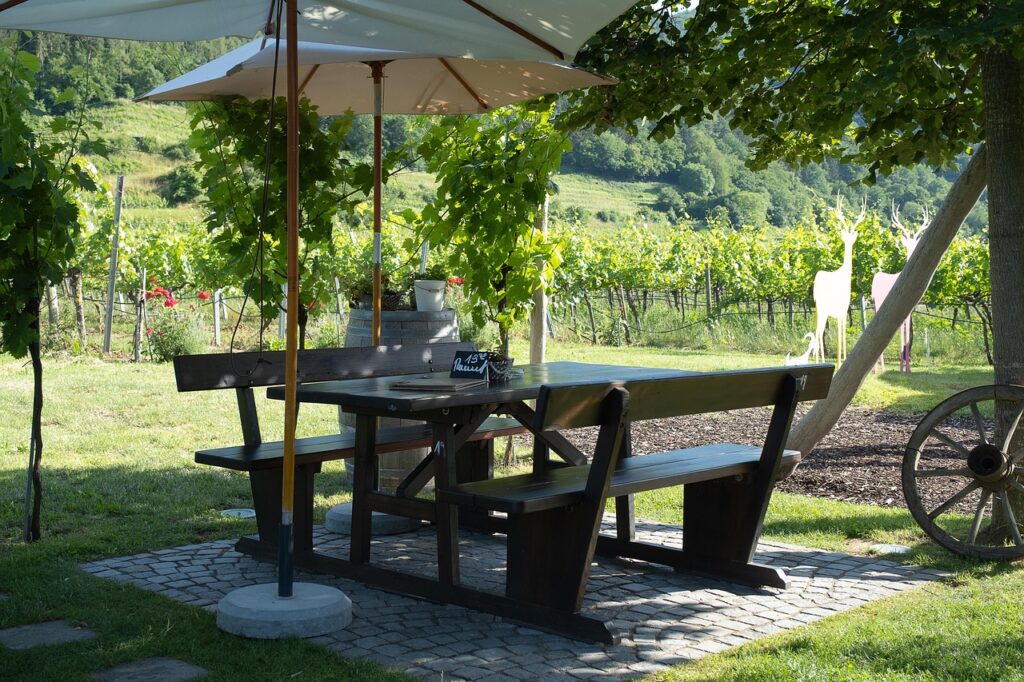
Exploring the Old Town is often one of the best ways to understand a European city. Away from modern shopping centers and busy business districts, historic old towns reveal the character, traditions, architecture, and stories that have shaped a destination over centuries.
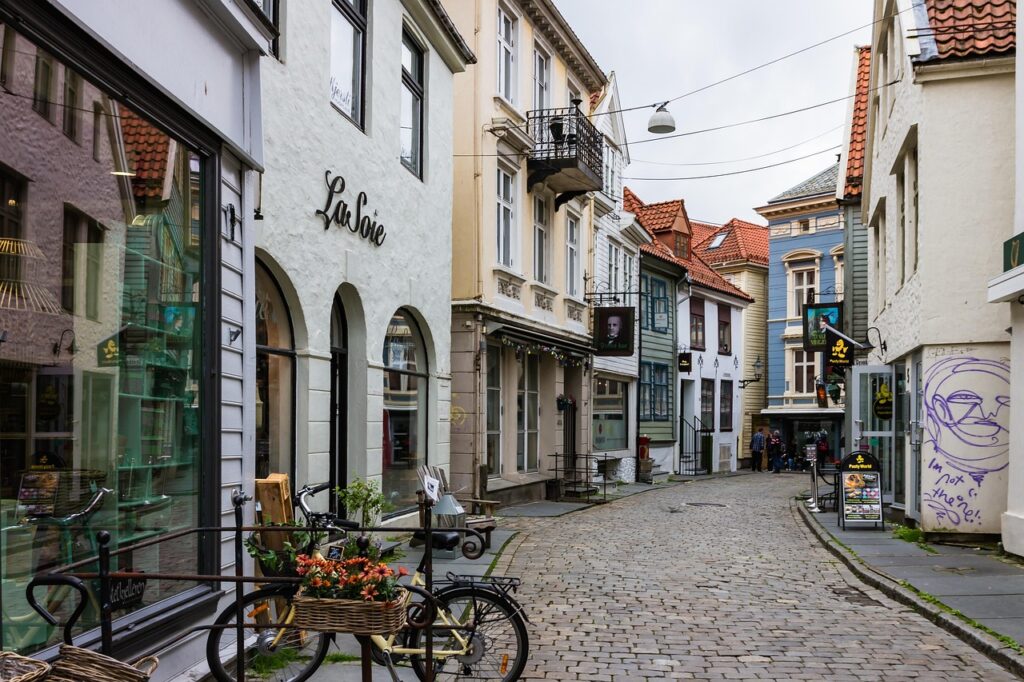
From narrow cobblestone streets and colorful buildings to historic churches, lively squares, traditional cafés, and local markets, an Old Town can feel like a journey into another era. Whether you are visiting for the first time or returning to a favorite destination, taking time to explore the historic center can turn an ordinary city trip into a memorable travel experience.
Table of Contents
Discover Historic Streets and Architecture
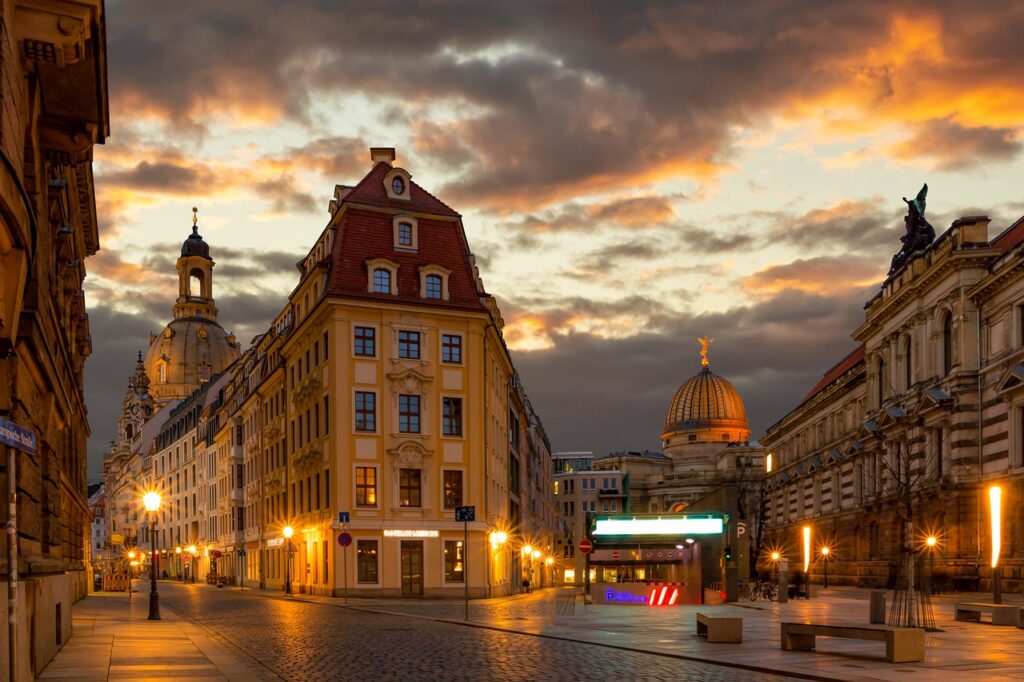
One of the first things travelers notice when entering an Old Town is its architecture. Many European historic centers contain buildings that are hundreds of years old, with beautifully decorated facades, traditional windows, stone walls, balconies, and colorful rooftops.
Walking through these streets allows visitors to appreciate details that are easy to miss when traveling by car or public transportation. Look above street level and you may discover decorative carvings, historic signs, statues, and architectural features that tell stories about the city’s past.
The streets themselves can also be fascinating. Some are wide and impressive, while others are narrow lanes that lead unexpectedly into small courtyards or peaceful squares.
Visit the Main Historic Square
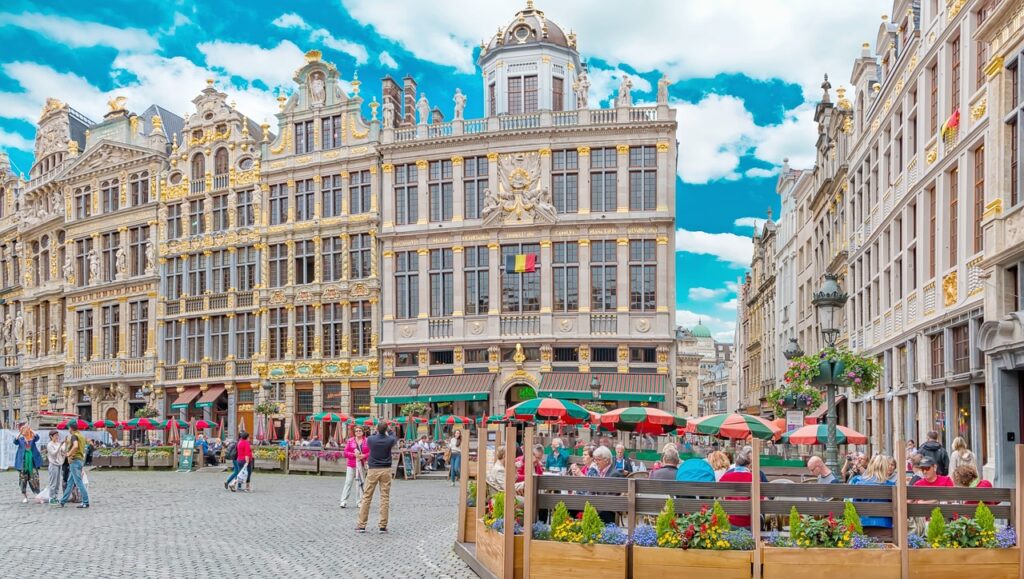
Most traditional European Old Towns have a central square that has served as an important gathering place for generations.
Historic squares were often used for markets, celebrations, public meetings, festivals, and other community events. Today, they remain popular places for visitors to relax and observe everyday city life.
A typical Old Town square may feature an impressive town hall, historic church, fountain, statue, or rows of traditional buildings.
The best way to enjoy a historic square is not always to rush from one attraction to another. Find a comfortable café, order a local drink or snack, and spend some time watching the city around you.
Explore Local Cafés and Restaurants
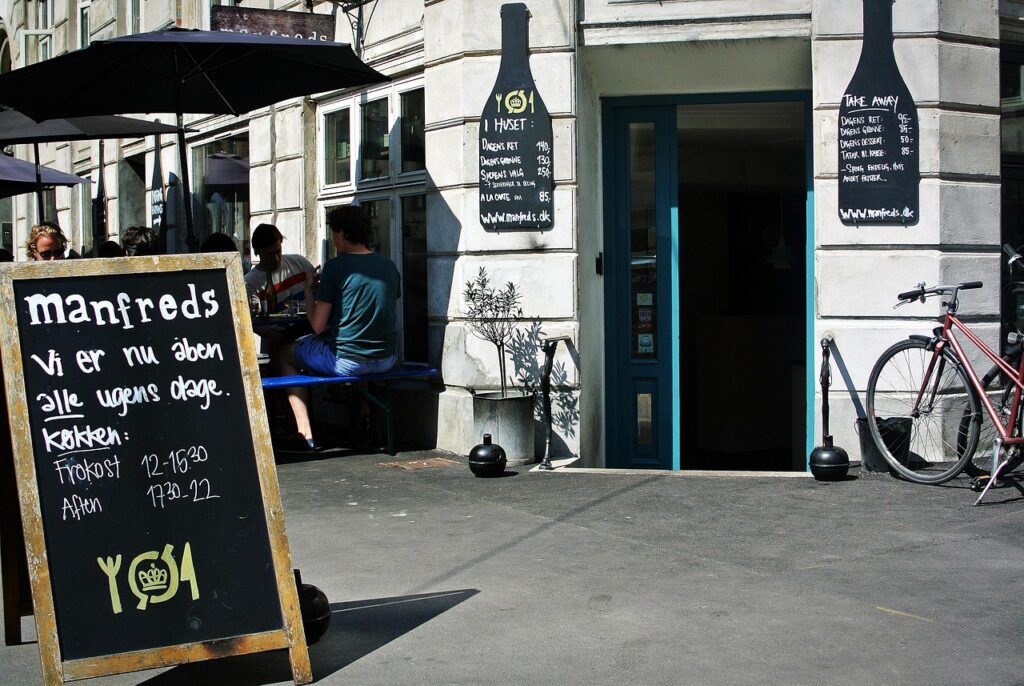
Food is an important part of exploring any Old Town. Historic neighborhoods are often home to traditional restaurants, bakeries, cafés, and small food shops.
Instead of choosing only international restaurant chains, look for places serving regional dishes. Local cuisine can provide an insight into the culture and history of the destination.
Try a traditional breakfast, sample a regional pastry, or enjoy a local lunch. Many Old Town restaurants are located inside historic buildings, creating an atmosphere that is very different from modern restaurants.
Travelers should also consider visiting a local bakery in the morning. Fresh bread, pastries, coffee, and other local specialties can be an excellent way to begin a day of sightseeing.
Discover Historic Churches and Cathedrals
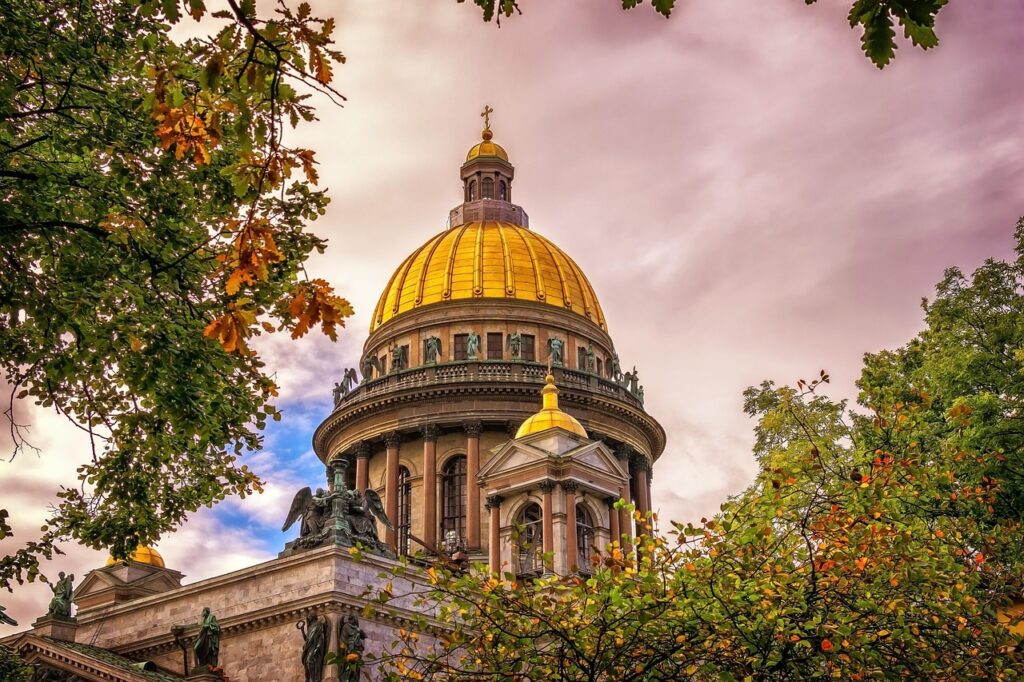
Churches and cathedrals are often among the most impressive landmarks in European Old Towns.
Their architecture can range from medieval Gothic designs to Baroque interiors and Renaissance structures. Even travelers who are not particularly interested in religion may appreciate the artwork, craftsmanship, stained glass, sculptures, and historical significance of these buildings.
Some churches also have towers or viewpoints that offer panoramic views over the historic center.
Before entering a religious building, remember to check local visitor rules. Modest clothing and respectful behavior may be expected, particularly during religious services.
Visit Local Markets

Traditional markets can provide a more authentic view of everyday life in an Old Town.
Depending on the destination, markets may sell fresh fruit, vegetables, cheese, bread, flowers, handmade crafts, clothing, souvenirs, or regional specialties.
Food markets are particularly interesting for travelers who enjoy discovering local ingredients and flavors.
Markets can also be excellent places to purchase small souvenirs. Instead of buying generic products from tourist shops, look for locally produced crafts or traditional items that have a connection to the region.
Walk Along Historic City Walls

Some European Old Towns are surrounded by historic defensive walls. Walking along these walls can be an unforgettable experience because they often provide excellent views of both the historic center and the surrounding landscape.
City walls were originally built for defense, but today they offer travelers an opportunity to understand how the city developed.
From higher sections, you may be able to see rooftops, churches, rivers, mountains, coastlines, or modern parts of the city beyond the historic center.
If you are visiting during summer, consider walking the walls early in the morning or later in the afternoon when temperatures are more comfortable.
Explore Hidden Streets
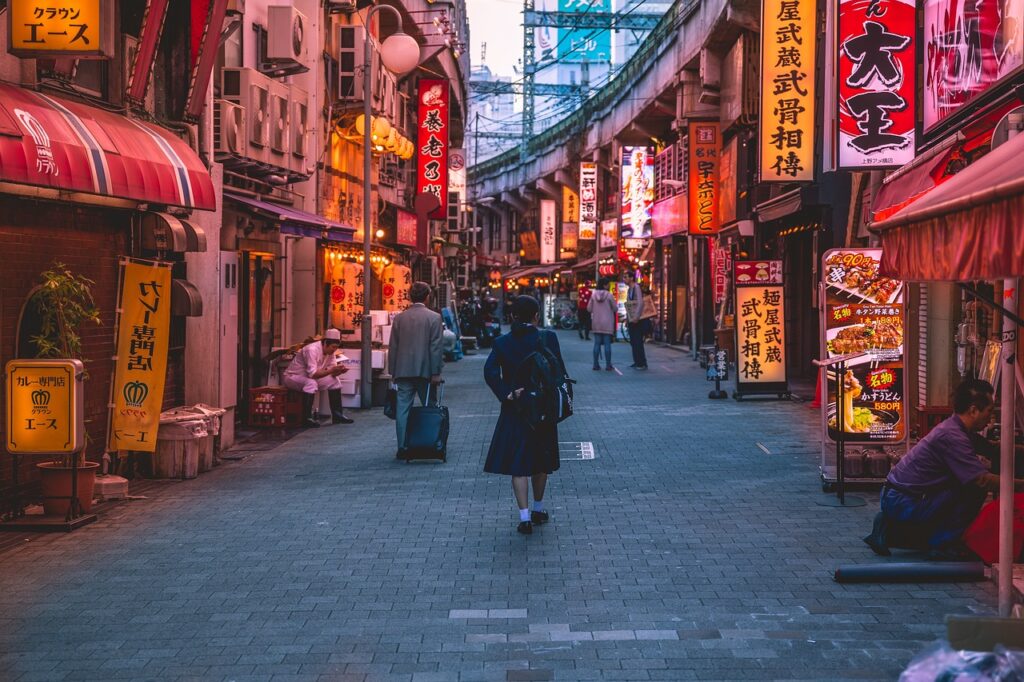
One of the greatest pleasures of exploring an Old Town is getting slightly lost.
While major attractions deserve attention, some of the most memorable moments can happen on streets that are not listed prominently in travel guides.
Walk away from the main tourist routes and explore quieter lanes. You may discover a small courtyard, independent bookstore, family-run café, local art gallery, traditional workshop, or peaceful square.
Of course, travelers should remain aware of their surroundings and use a map or navigation app when necessary. The goal is to explore freely while still traveling responsibly.
Take Photos of the Old Town
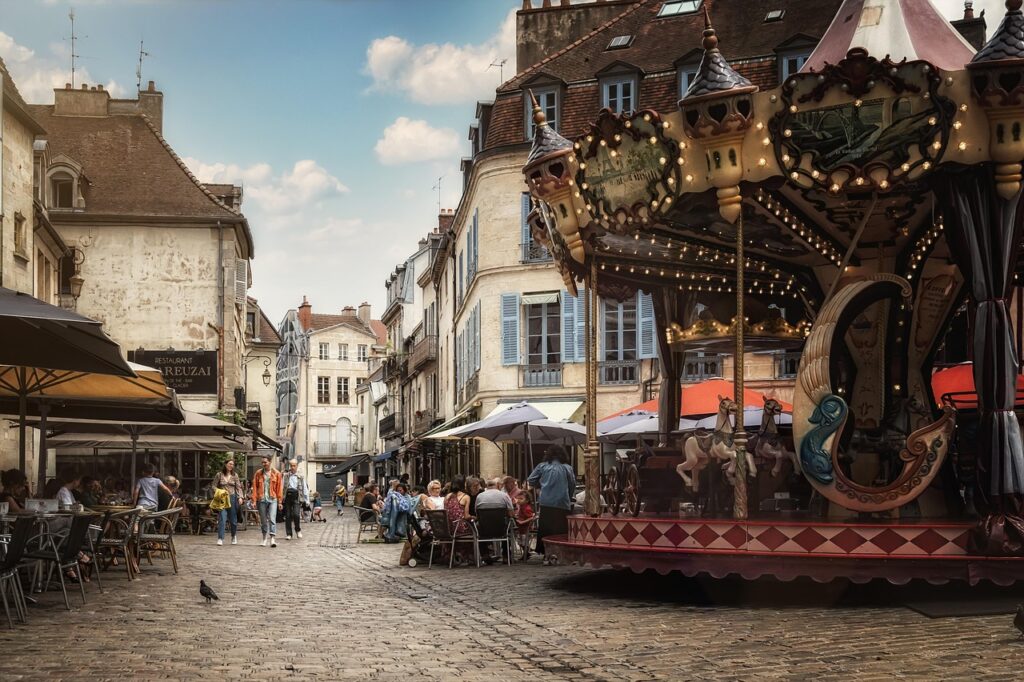
Historic neighborhoods are usually excellent destinations for photography.
Early morning can provide soft light and fewer visitors. Late afternoon can create warm colors across historic buildings, while evening brings illuminated streets and monuments.
Instead of photographing only famous landmarks, try capturing smaller details. Doorways, windows, balconies, street signs, fountains, cobblestones, and local cafés can help tell the story of the destination.
If you are creating travel content, these smaller details can also make your photographs more interesting and authentic.
Learn the City’s History

An Old Town becomes much more interesting when you understand its history.
Before visiting, spend a little time learning about the city’s origins, important historical events, famous residents, and architectural heritage.
Many historic centers offer walking tours led by local guides. These tours can explain details that visitors might otherwise overlook.
Museums located within or near the Old Town can also provide useful historical background.
Understanding the past helps travelers appreciate why certain buildings, streets, monuments, and public spaces are important.
Shop for Local Souvenirs
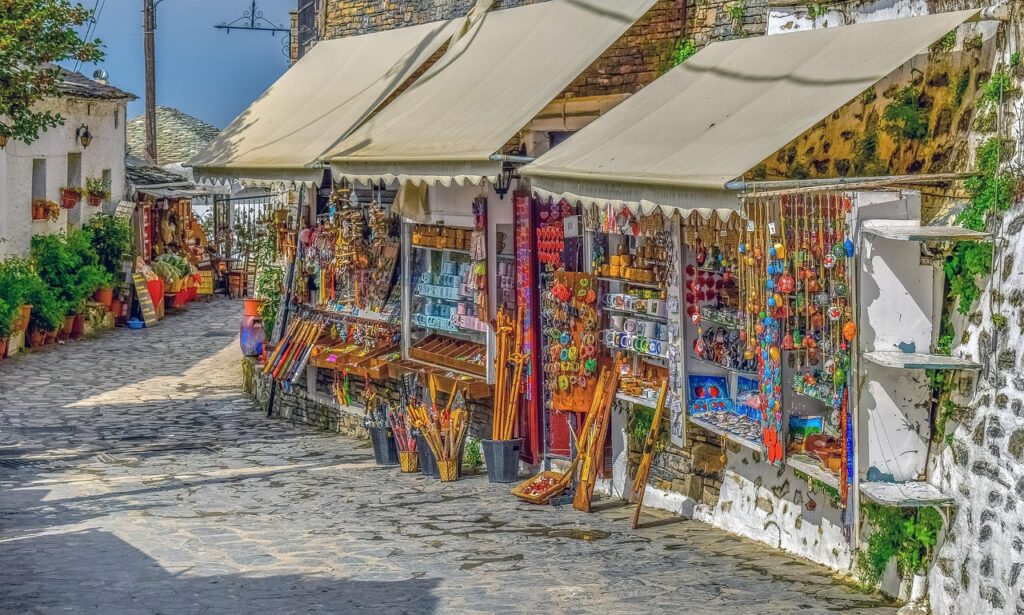
Old Town areas often contain small independent shops selling traditional products.
Depending on the destination, you might find handmade ceramics, textiles, jewelry, artwork, local food products, leather goods, or other crafts.
When shopping, consider choosing something genuinely connected to the region rather than mass-produced souvenirs.
A locally made item can become a meaningful reminder of your trip while also supporting local businesses and artisans.
Best Time to Explore an Old Town
The best time to explore a historic center depends on the destination and season.
Early mornings are generally quieter and provide excellent opportunities for photography. Late afternoons can be ideal for enjoying cafés and watching the city become more lively.
Evenings can offer a completely different atmosphere, particularly when historic buildings, streets, and squares are illuminated.
Spring and autumn are often comfortable seasons for walking tours, while summer may require planning around warmer temperatures and larger crowds.
Tips for Exploring a European Old Town
- Wear comfortable walking shoes.
- Carry a reusable water bottle.
- Keep a city map or navigation app available.
- Start early if you want quieter streets.
- Try local food rather than only international dishes.
- Respect historic buildings and religious sites.
- Support independent shops and local businesses.
- Check museum and attraction opening hours.
- Keep personal belongings secure in crowded areas.
- Leave enough time for unplanned discoveries.
Final Thoughts
Exploring a charming Old Town is about more than visiting famous attractions. It is an opportunity to slow down, walk through historic streets, discover local traditions, taste regional food, and observe everyday life.
The beauty of an Old Town often lies in its details—the sound of footsteps on cobblestones, the design of an old doorway, the smell of fresh bread from a local bakery, or the view from a historic square.
Whether you are exploring a medieval European city, a beautiful coastal town, or a historic capital, make time to wander beyond the main attractions. Some of your best travel memories may come from the streets you discovered without a strict plan.
An Old Town is not simply an old part of a city. It is a living connection between the past and the present, offering travelers the chance to experience history while becoming part of the city’s everyday rhythm.
Contact Information
- Website: ozabooking.net
- Partner Website: Oza Digital Services
- Email: ozadigicare@gmail.com
- Author: Sandhya Kashyap