
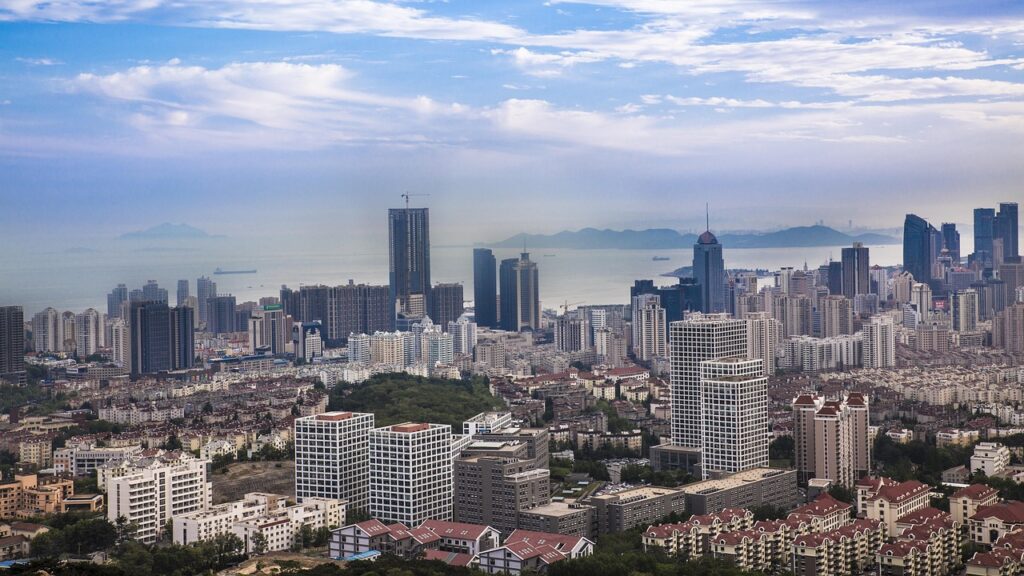
Paris is one of the world’s most famous travel destinations and one of the most beautiful cities in Europe. Known as the City of Light, Paris attracts visitors with its elegant architecture, historic monuments, charming streets, world-famous museums, romantic atmosphere, and exceptional food.
From the Eiffel Tower and the River Seine to the artistic streets of Montmartre and the grand avenues of the city center, Paris offers countless experiences for travelers. Whether you are visiting for the first time, planning a romantic holiday, or exploring Europe with family, Paris has something memorable to offer.
Table of Contents
Why Is Paris Called the City of Light?
The nickname “City of Light” is commonly associated with two important aspects of Paris.
First, Paris became an important center of intellectual and cultural life during the Age of Enlightenment. Philosophers, writers, scientists, and artists gathered in the city to exchange ideas and discuss science, politics, literature, and society.
Second, Paris became known for its early adoption of street lighting. As the city developed its public lighting system, its streets became brighter and safer after dark. Over time, the nickname “City of Light” became strongly associated with Paris.
Today, the name also reflects the city’s artistic and cultural identity. Paris continues to attract artists, designers, writers, photographers, and travelers from around the world.
Eiffel Tower: The Symbol of Paris
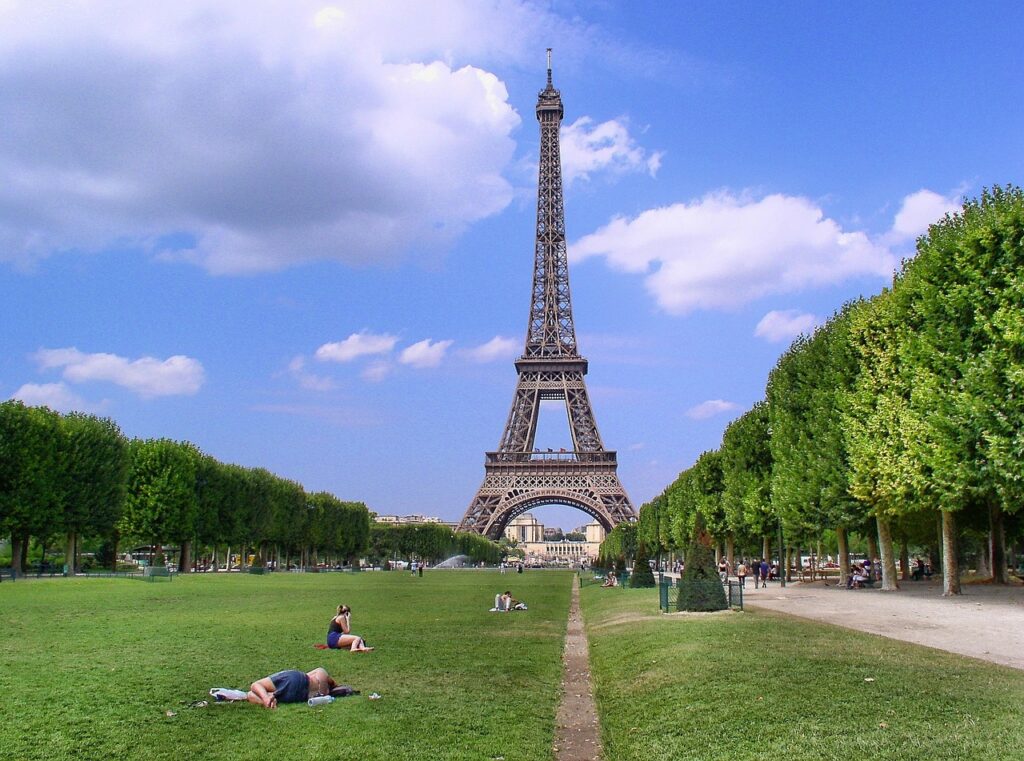
No visit to Paris is complete without seeing the Eiffel Tower. It is the city’s most recognizable landmark and one of the world’s most famous structures.
The tower was constructed for the 1889 Exposition Universelle, which celebrated the 100th anniversary of the French Revolution. Today, visitors can admire it from different parts of the city or go up the tower for panoramic views.
The area around the Eiffel Tower is particularly attractive for photography. The nearby Champ de Mars provides an open space where visitors can relax and enjoy views of the monument.
At night, the illuminated tower creates one of the most memorable sights in Paris.
Explore the River Seine
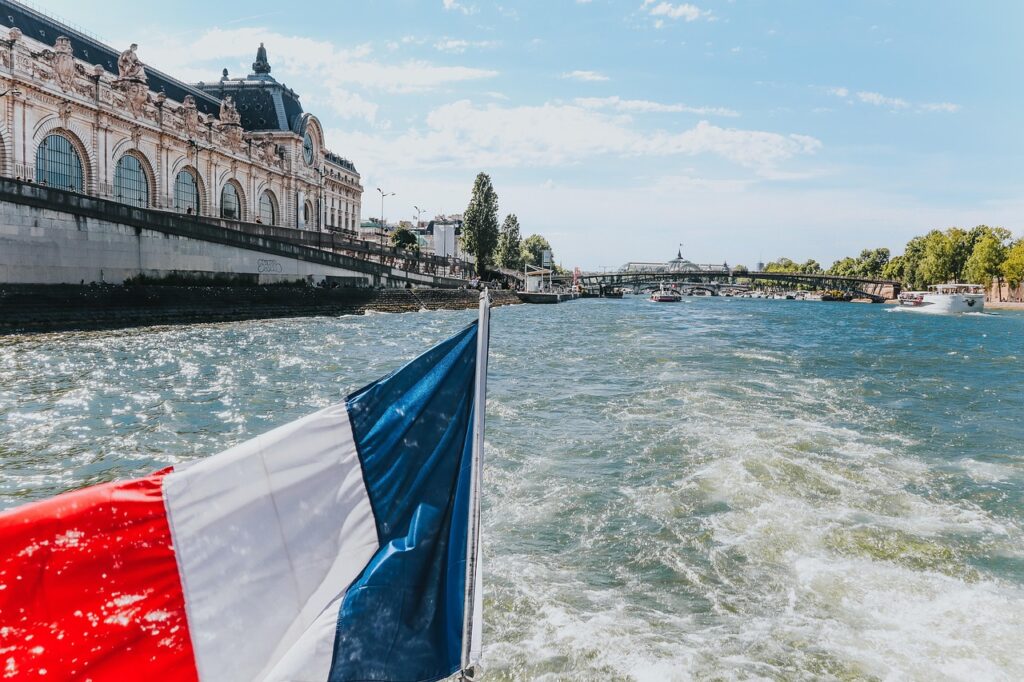
The River Seine is an important part of Paris’s character. It flows through the heart of the city and passes many famous landmarks.
Walking along the river is a relaxing way to experience Paris. Visitors can see historic bridges, riverside buildings, monuments, and traditional book stalls.
A Seine river cruise is another popular experience. From the water, travelers can enjoy a different perspective of Paris and see several important landmarks without walking long distances.
For couples, an evening cruise can be particularly enjoyable because many parts of the city are beautifully illuminated after sunset.
Discover the Louvre Museum
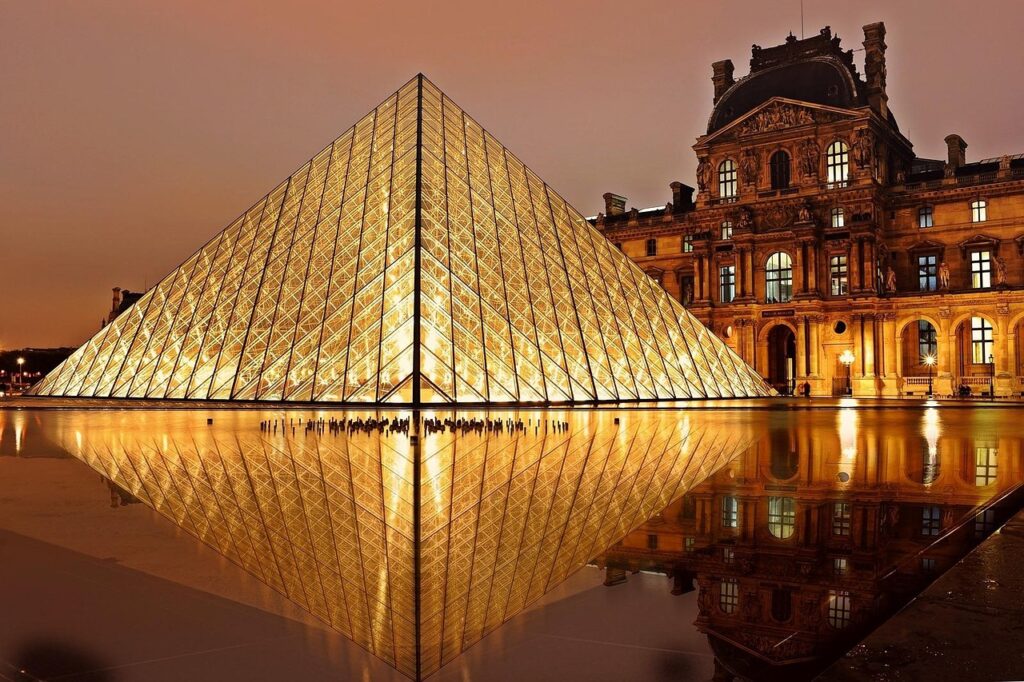
The Louvre Museum is one of the world’s most famous museums and an essential stop for art and history lovers.
The museum houses an enormous collection covering thousands of years of human history. Among its most famous works is Leonardo da Vinci’s Mona Lisa.
However, the Louvre is much more than one painting. Visitors can discover sculptures, ancient artifacts, paintings, decorative arts, and objects from different civilizations.
Because the museum is enormous, first-time visitors should plan which sections they want to see rather than attempting to explore everything in a single visit.
Walk Through Montmartre
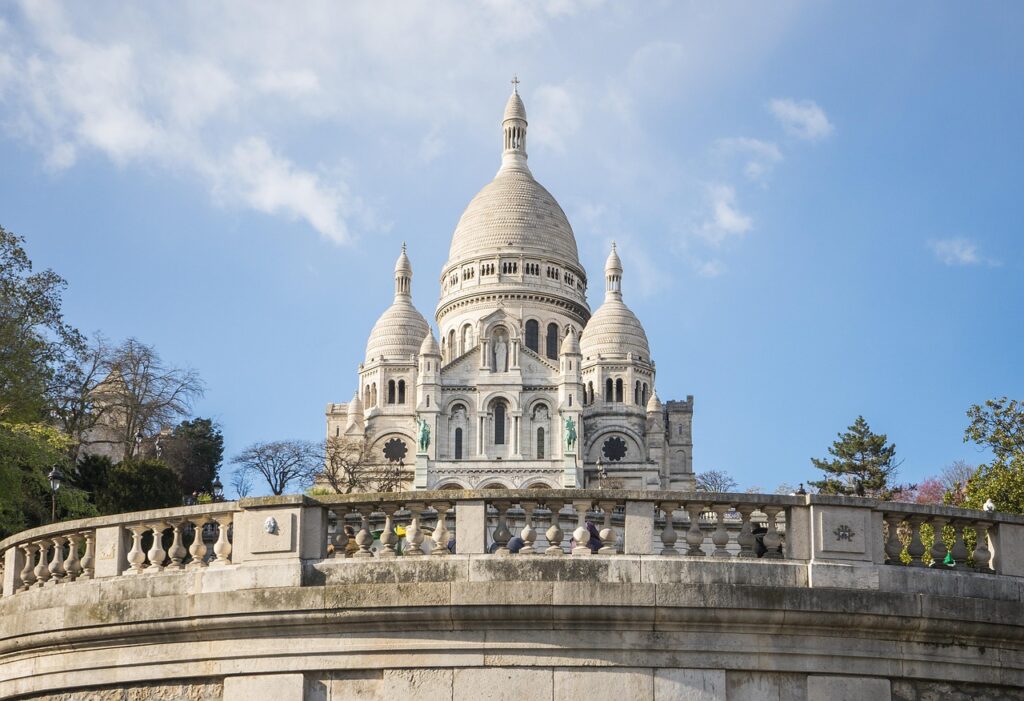
Montmartre is one of the most charming neighborhoods in Paris. Located on a hill in the northern part of the city, it has long been associated with artists and creative culture.
The narrow streets, small cafés, art studios, and historic buildings give Montmartre a distinctive atmosphere.
One of the neighborhood’s most important landmarks is the Sacré-Cœur Basilica, located at the top of the hill. The area around the basilica also provides beautiful views over Paris.
Visitors can spend several hours walking through Montmartre, discovering small streets and enjoying the neighborhood’s artistic character.
Visit Notre-Dame and Île de la Cité
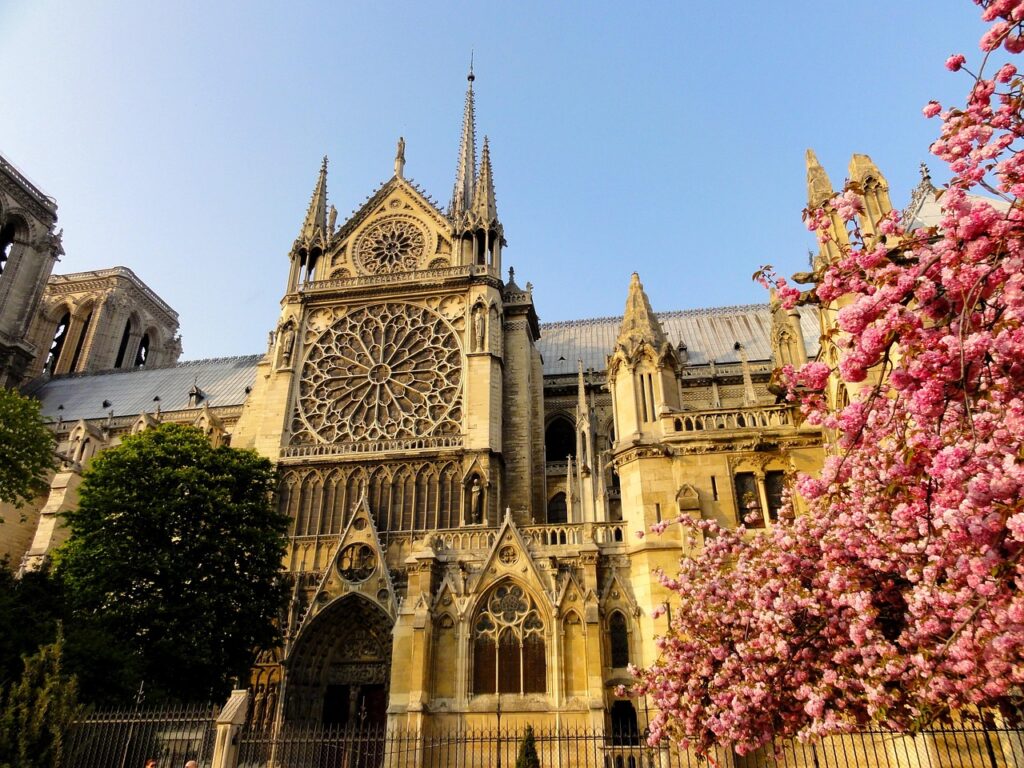
Notre-Dame Cathedral is one of Paris’s most important historic landmarks. Located on Île de la Cité in the Seine, the cathedral has played an important role in the city’s religious and architectural history.
The surrounding area is also worth exploring. Île de la Cité is one of the historic centers of Paris and offers beautiful views of the Seine and nearby parts of the city.
Visitors should check current access arrangements before planning a visit because restoration and conservation work can affect what areas are open to the public.
Experience Parisian Food

Paris is also a wonderful destination for food lovers. French cuisine is an important part of the city’s culture.
Visitors can start their morning with a croissant and coffee at a local café. Traditional bakeries offer baguettes, pastries, cakes, and other French specialties.
For lunch or dinner, travelers can explore traditional French restaurants as well as modern international cuisine.
Food markets are another excellent way to experience local life. Exploring a market can introduce visitors to French cheeses, fresh produce, bread, desserts, and regional specialties.
Enjoy the Champs-Élysées
The Champs-Élysées is one of Paris’s best-known avenues. It stretches between the Place de la Concorde and the Arc de Triomphe.
The avenue features shops, restaurants, cafés, and impressive views. At its western end stands the Arc de Triomphe, which provides another excellent viewpoint over the city’s grand avenues.
Walking along the Champs-Élysées is particularly enjoyable for travelers who want to experience the atmosphere of central Paris.
Best Time to Visit Paris
Paris can be visited throughout the year, but spring and autumn are often popular because of their pleasant weather and attractive scenery.
Spring brings flowers and fresh greenery to the city’s parks and gardens. Autumn offers cooler temperatures and beautiful seasonal colors.
Summer provides long daylight hours and a lively atmosphere, although popular attractions can become crowded.
Winter is generally quieter and can be appealing to travelers who enjoy Christmas decorations, seasonal markets, museums, and cafés.
The best time ultimately depends on your preferred weather, budget, and travel style.
How Many Days Do You Need in Paris?
For a first visit, three to five days can provide enough time to experience many of the city’s major attractions without rushing constantly.
A three-day trip could focus on the Eiffel Tower, Louvre, Seine, Notre-Dame area, Montmartre, and central Paris.
With five days or more, travelers can explore neighborhoods at a slower pace and add attractions such as Versailles, additional museums, gardens, or nearby destinations.
Paris rewards travelers who leave some free time for spontaneous exploration.
Practical Tips for Visiting Paris
- Wear comfortable shoes because walking is one of the best ways to explore the city.
- Use public transportation to move efficiently between neighborhoods.
- Book popular attractions ahead of time when reservations are available.
- Keep an eye on personal belongings in crowded tourist areas.
- Explore beyond the major landmarks to experience local neighborhoods.
- Try traditional French food at different types of restaurants and bakeries.
- Allow extra time when visiting large museums such as the Louvre.
- Check attraction opening hours before visiting.
Final Thoughts
Paris deserves its reputation as one of Europe’s most beautiful cities. Its combination of historic monuments, elegant architecture, art, food, culture, and romantic streets creates an experience that is difficult to replicate elsewhere.
The nickname “City of Light” represents both Paris’s historical connection with intellectual and cultural development and its long association with illuminated streets. Today, the name also reflects the city’s enduring influence on art, fashion, literature, architecture, and tourism.
Whether you are standing beneath the Eiffel Tower, walking beside the Seine, exploring the Louvre, enjoying a pastry in a neighborhood café, or watching Paris light up after sunset, the city offers countless opportunities to create lasting travel memories.
For anyone planning a European vacation, Paris remains a destination worth experiencing at least once. Its famous landmarks may be the reason travelers arrive, but its streets, neighborhoods, food, history, and atmosphere are often what make them want to return.
Contact Information
- Website: ozabooking.net
- Partner Website: Oza Digital Services
- Email: ozadigicare@gmail.com
- Author: Sandhya Kashyap